

Skiing and Snowboarding Injury Prevention


Planning to hit the slopes this season? If it’s been a while, or your first time, since you’ve hit the powder, it’s a good idea to prepare your body for the demands of the sport. Injuries to the knees, back and shoulders are common in winter sports like snowboarding and skiing [Skiing this winter? Why you should see your physio.] and taking time to do a little ‘prep-work’ will not only make your runs more fun, but you’ll also be able to maximize your time outside safely and smartly.

Get a Physical Therapists assessment before you go!

Especially if this is your first time skiing or snowboarding, or if you have any nagging injuries or pains from other activities, doing an assessment before you go can make all the difference in the world. By going through a physical assessment our therapists can help to determine your body’s readiness for winter sports by evaluating strength, flexibility, and balance while identifying potential weaknesses or imbalances that could lead to injuries.
UP utilizes the Functional Movement Screen (FMS) and Y-Balance Test (YBT) [Move Well Before Moving Often] along with several other tools to check for imbalances in the body. Additionally, our Fundamental Capacity Screen (FCS) examines impact control – you never know when you’ll be absorbing unexpectedly impact on the mountain. This screen determines how well you would be able to absorb that impact compared to your risk for injury and what steps you can take to further prevent that risk. Essentially, all of these different screens are used to develop a specific plan for your needs to build resilience in your body.
If you have any pre-existing pains, our therapists can also screen those to see how – or if – they will affect performance. The last thing you’d want to is to go all the way up the mountain only to find out you can’t move down it comfortably, spending the remainder of your trip frustrated or unable to adventure the way you want to. Addressing these areas before you dive in headfirst can make a significant difference in your physical condition and performance.

Learn and follow ACL Injury Prevention Protocols

Knee injuries, particularly ACL (anterior cruciate ligament) tears, are among the most common injuries in winter sports due to abrupt changes in direction and twisting movements. By working with one of our physical therapists they can develop a good ACL prevention program that includes exercises designed to strengthen the quadriceps, glutes and hamstrings to avoid high levels of stress placed on the knees. This is especially important if you have a previous history of injury. Exercises such as Bulgarian split squats, plyometrics and balance work are a part of these protocols.
Additionally, you might be surprised at how much core control and strength you need to glide your way down the mountain. A strong core can significantly reduce stress placed on the lower body, again reducing the risk for injury. Our physical therapists can put together a full training routine to support strengthening all these key areas so that you can train off the mountain in preparation for your next run.

Warm ups and Agility Practice

Additionally, adding in dynamic stretching into your warm-up prepares the body for the intensive exercises it will be asked to perform. While practicing agility drills can further enhance the body’s ability to react to sudden changes in movement. Learning to incorporate both can be beneficial not just for winter sports, but for all types of training, while simultaneously reducing the risk for injury.
Make sure your equipment fits properly

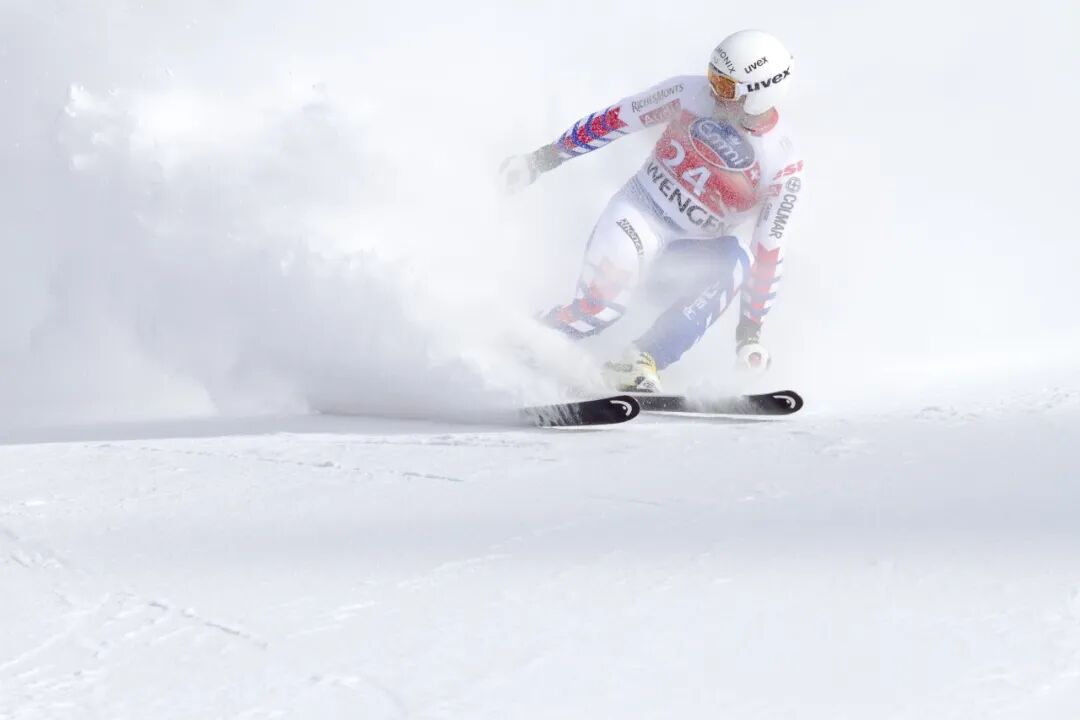
Even if your body is prepared and you are mentally ready to go, if your equipment doesn’t fit properly you are not setting yourself up for success. Wearing boots, bindings, or protective gear that doesn’t fit properly can affect your balance, posture, and movement mechanics, which can lead to serious falls and impact injuries. Make sure you don’t just grab and go, but consider getting a proper fitting so that you can move freely and comfortably.
Preparing smartly for skiing and snowboarding outings allows you to make the most of your outings, while also returning to your daily life or daily trainings comfortably. Reducing the risk of injury and/or pain before you go can save you time, energy and even money. When you have a limited amount of time to travel and spend outside, you want to make the most of it and enjoy it to its fullest. Schedule an assessment at UP today so that you can make the most of your winter sports adventures!

本篇文章来源于微信公众号: 上海优复康复医学门诊部