

From heart attack to marathon finish


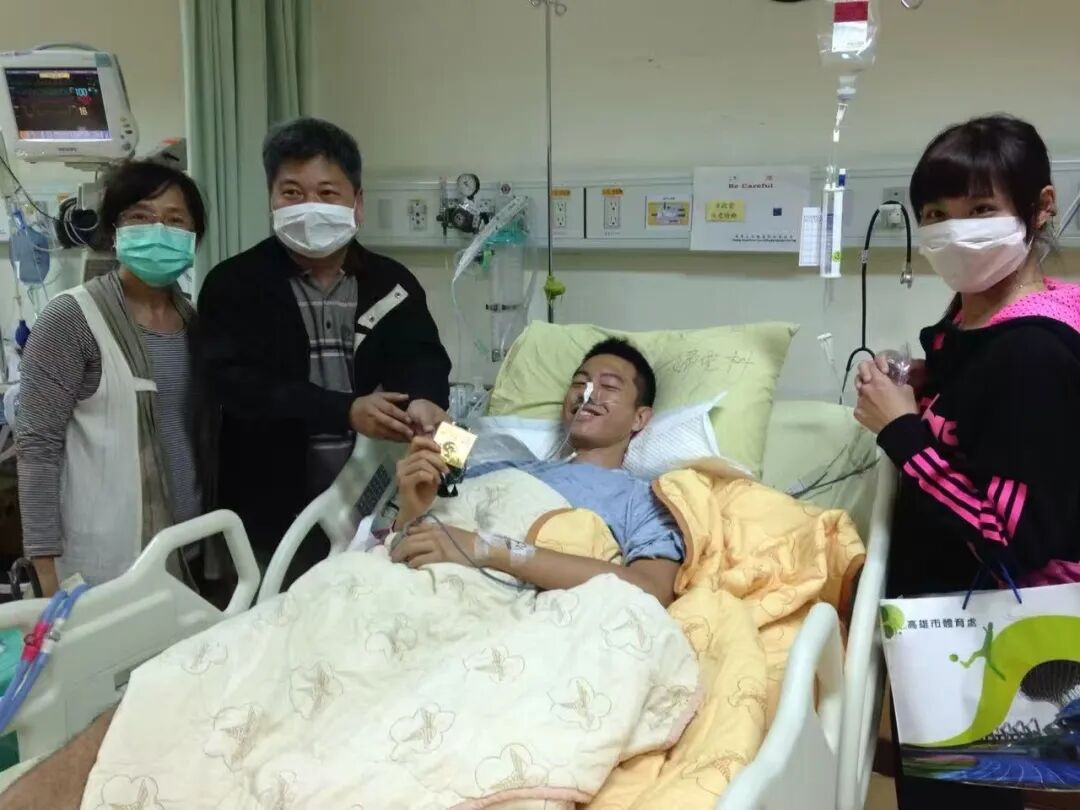
10 years ago, UP orthopedist Ethan Chen was running his first marathon in Taiwan – and collapsed 800 meters from the finish line. He had heat stroke – his body temperature measuring at 43°C and was thus immediately sent to the ICU for emergency treatment due to a resulting cardiac arrest.
This past November, he decided to finish what he started, participating – and finishing – his first ever marathon: the Shanghai Marathon. After his life-threatening experience, we were curious to learn how Ethan prepared – both mentally and physically – to take on this goal, the challenges he faced and how he felt when he crossed the finish line.

Take us back to that first marathon. Firstly, what made you decide to do your first marathon and then, what happened around that 41km mark?
I have been a passionate runner since my time in Taiwan, participating in many half marathons, to include high altitude races. When I was admitted to Peking University [to study], I made up my mind to complete a full marathon before leaving Taiwan. The race was in March of 2015 and I felt so fortunate to be there. However, due to a lack of systematic training, improper pacing and fueling strategies, combined with extremely hot weather on race day, I suffered severe heat stroke and collapsed about 800 meters from the finish line.
I lost consciousness, my heart stopped, and my body temperature was measured at 43°C. I was told that the emergency medical team used three rounds of defibrillation to restart my heart, and I was intubated and sent to the ICU, where I stayed for nearly a week.
During the period when I was unconscious, my mind seemed to drift to another place. I no longer remember the images, but I still recall the feeling—it was extremely peaceful and harmonious, so much so that I felt almost unhappy when I was revived. After waking up, I experienced several hours of memory loss: I didn’t recognize anyone or anything, couldn’t understand any language, and even forgot my own name and family. Then I went through something like a “brain reboot,” and slowly, after some time, my memories gradually returned. According to the doctors, I was very lucky—I was on the verge of severe kidney damage due to accompanying rhabdomyolysis, which could have meant a lifetime of dialysis.
What a seriously frightening experience. Did you want to continue running after you had recovered?
After that, I still went on short, easy runs occasionally, but I developed a fear of marathons. I kept remembering the painful feeling during those last kilometers before collapsing—the despair of seeing no end in sight while my body had already reached its limit. I also repeatedly reviewed and analyzed the incident with my exercise physiology professor, sports medicine doctors, and physical therapists, trying to understand why such a serious accident had happened. Even when you better understand how to manage yourself and what to avoid in the future, the psychological shadow remains. It wasn’t until this year—2025—that I felt it was time to face the mistake from ten years ago and take on the challenge I didn’t complete back then.
I felt that a decade was the perfect opportunity for a comeback—to finally fulfill this unfinished dream.
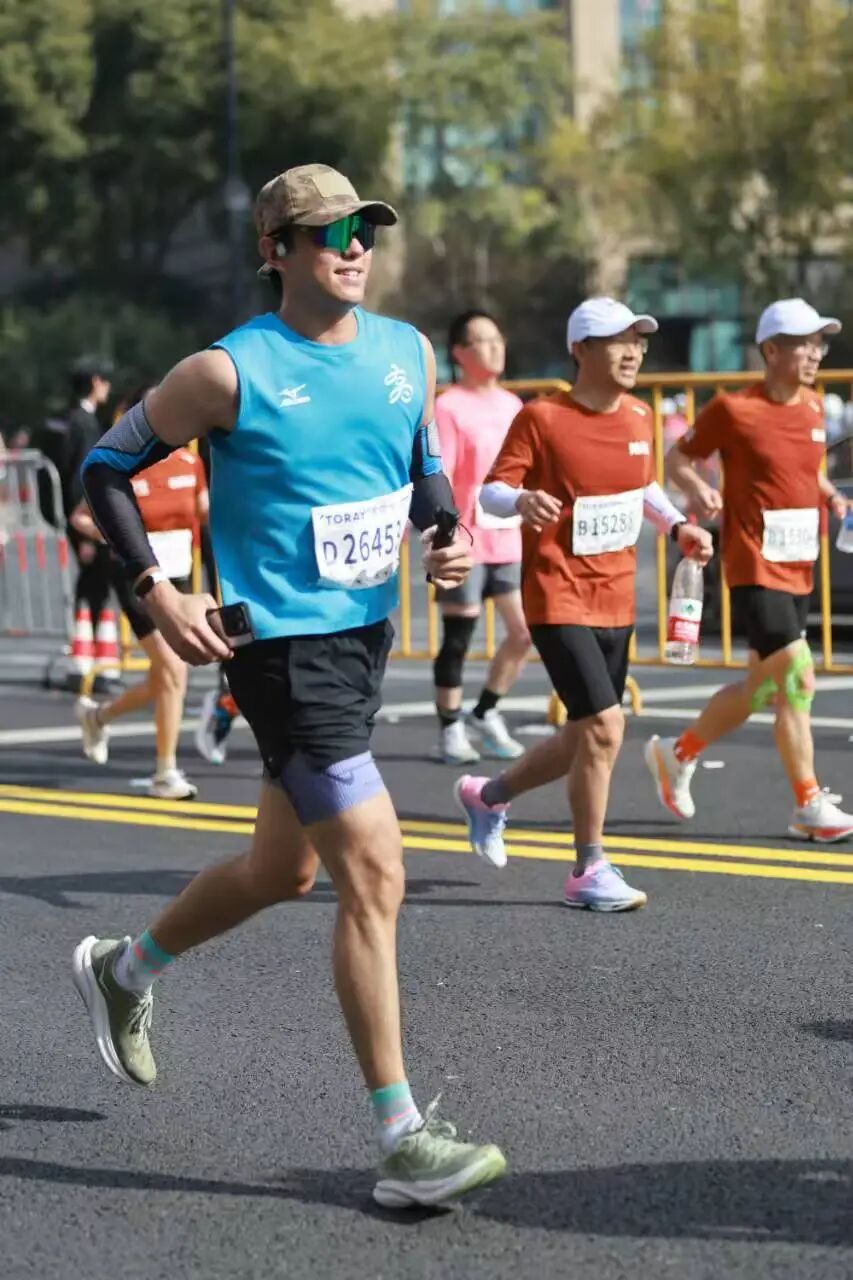
This time around, you must have had a different strategy going into it – how did you train for the Shanghai Marathon?
Starting early this year, I completed three half marathons under the guidance of my colleagues while simultaneously learning about scientific pacing and systematic preparation. Initially, my weekly mileage was around 20km, consisting of one 5km steady pace run, one 4–5km Fartlek run (a type of run that requires changes in pace), and one 8–10km long distance, low heart rate run (keeping my heart rate in zone 2). Everything was going well until pain in my left knee disrupted my training plan. Fortunately, thanks to treatment from my PT colleagues Sylvia and Joseph, I recovered six weeks before the race. In those six weeks leading up to the race, I was also able to comfortably finish a 21km and 30km, which gave me additional confidence.
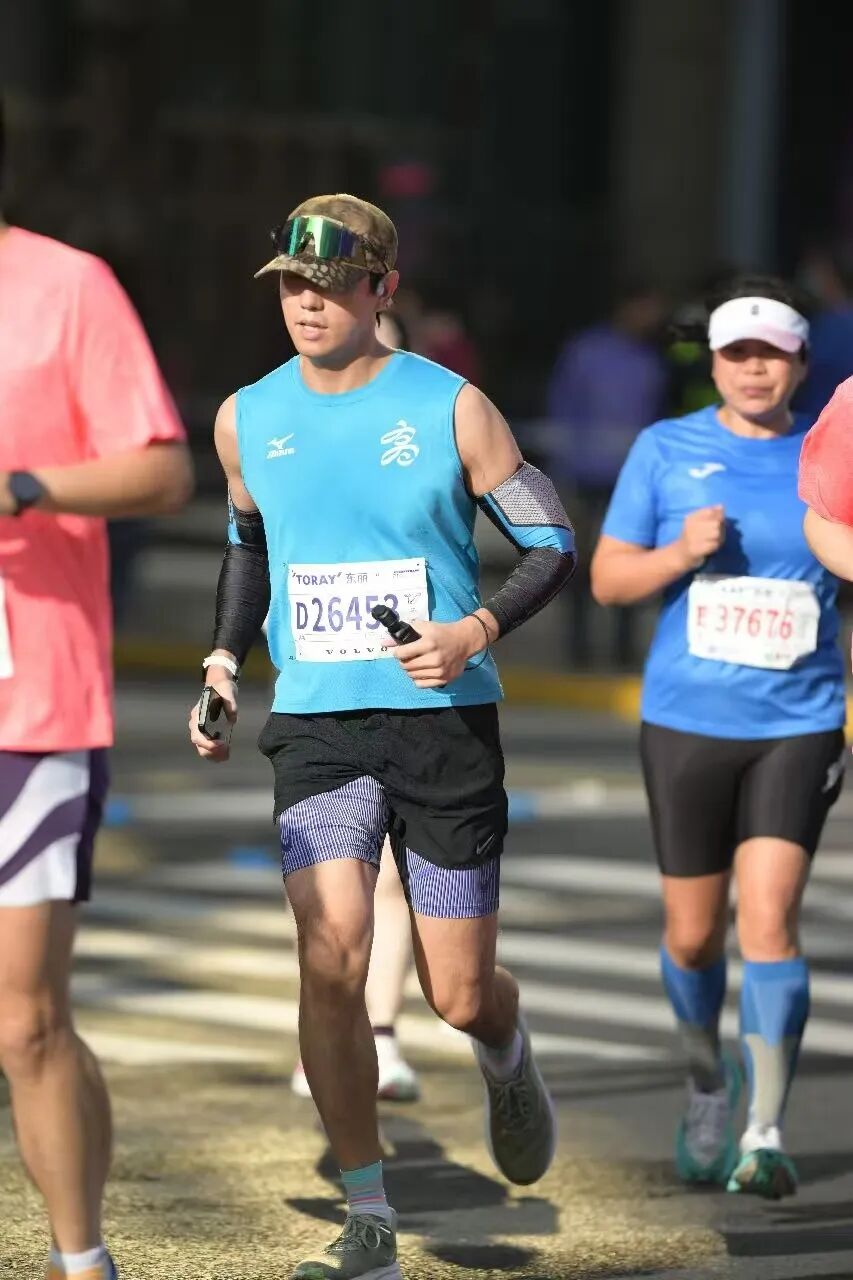
Given your first experience, were you nervous?
Absolutely, I was still very anxious right up until the race. Even though I knew my systematic training gave me a high chance of finishing, there was still a lot of psychological pressure. But the moment I stepped onto the course, with the sunrise over the Bund, the fear in my mind vanished.
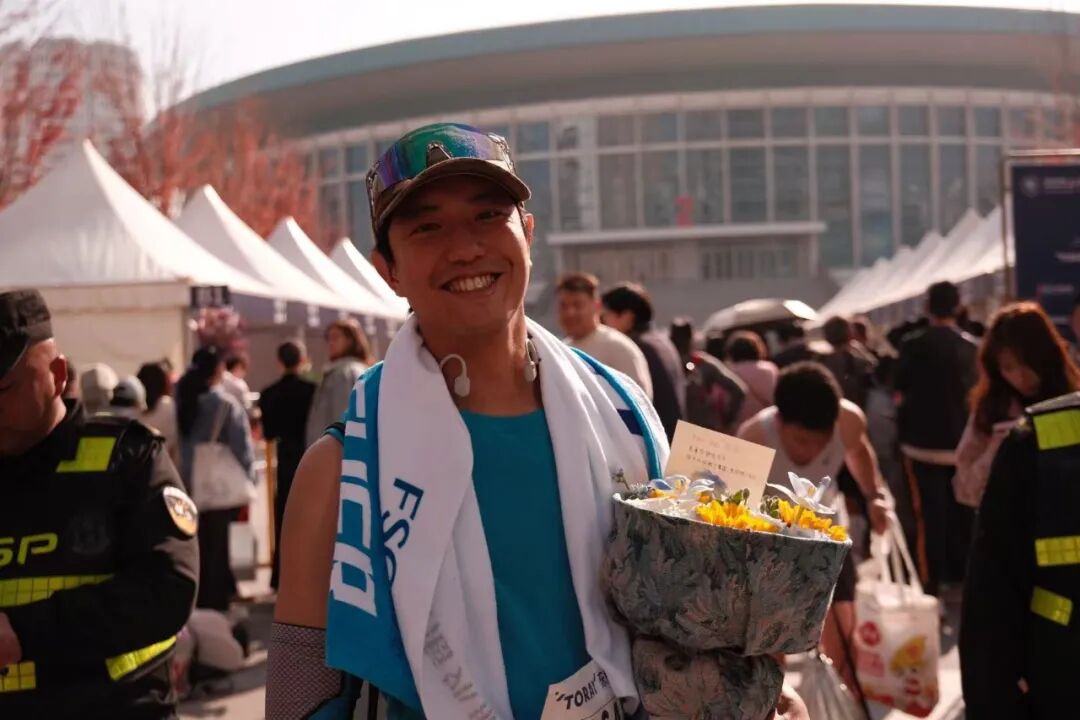
Wow! In many ways the fear leading up to the race can be more intense than race day itself. How did you feel during the run?
For me, this was the most important and beautiful marathon of my life! It was not only my first completed full marathon but also the fulfillment of a promise I made to myself ten years ago. I would never say it was easy—after 30km, my feet were in severe pain, and I hit the wall several times—but I knew God was watching over me, the people I love and who love me were cheering me on, and my past self was waiting for me to finish. So even though my body was suffering, my mind felt endlessly powerful.
Absolutely incredible – congratulations! So, do you think you’ll do another one?
Yes! In fact I plan to run the Shanghai Half Marathon and Full Marathon again next year (if I’m lucky enough to get in!), as well as a Spartan Race and HYROX!
You mentioned you had developed knee pain during your training. How did physical therapy help you cross the finish line – and potentially play a role to support your future races?
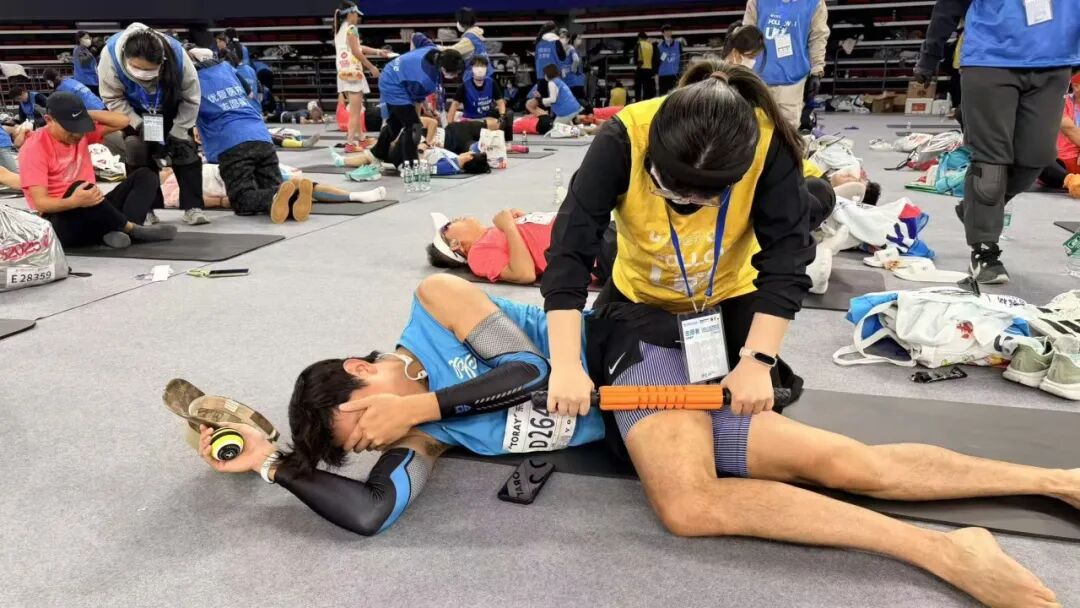
Absolutely! I can honestly say that without physical therapy, I wouldn’t have been able to finish the race. In May, I developed persistent knee pain during interval runs due to lack of stretching. At first I ignored it, but the pain gradually spread to my ankle on the same side, seriously affecting my training. With help from my physical therapist colleagues, we identified the issue as a dysfunction involving the hamstrings, popliteus muscle, and fibular head. After active treatment, I recovered quickly.
A true team effort – I’m sure everyone who was a part of your journey was thrilled to hear about your success. Congratulations again. For anyone considering to run a marathon – do you have any suggestions for them?
Planned, systematic, and evidence-based training is absolutely the most important thing. Ten years ago, I relied on my youth, thinking I was physically strong and mentally tough. Even though I was underprepared, I still chose to race—not realizing how dangerous that was, especially when “willpower outruns physical readiness.” It can lead to irreversible damage or even permanent consequences. Heat stroke has a mortality rate as high as 40%, so I feel very fortunate to have survived and to be able to share my story here. I hope everyone can learn from this—train smart, and finish safely!
本篇文章来源于微信公众号: 上海优复康复医学门诊部