

8 Efficient Exercises for Endurance Athletes


If you’re already training for an endurance sport, such as long-distance running or triathlon, chances are you are dedicating most of your training time to be very sport-specific, especially as you increase volume. However, this means you might be missing out on some crucial exercises that can help to not only improve performance, but more importantly, reduce your risk for injury.
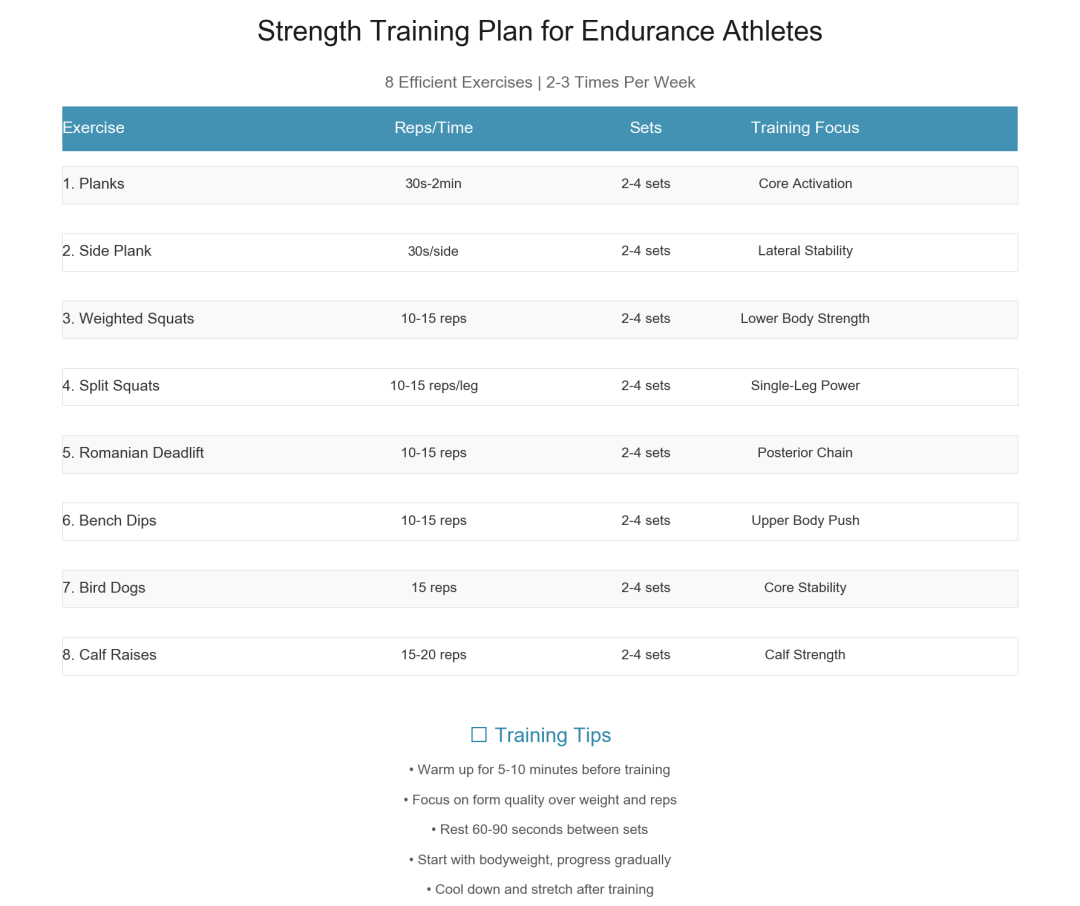
Adding in a few regular strength training exercises helps to correct imbalances, build bone density and boost power output. Consider to include the following exercises 2-3 times per week into your training program. By focusing on 2-4 sets of 10-15 repetitions (per exercise), you’ll be able to add in an efficient strength training routine that doesn’t take to much time away from the rest of your activities.
The following exercises are general suggestions based on exercises and routines we prescribe to patients. That said, it’s worth coming in to see a physical therapist if you would like to create a specific training routine that applies to your body and needs, especially if you have previously been injured or if you are newer to sport. Also consider to start with higher repetitions and shorter rest periods; if you are newer to exercise start with lighter weights or bodyweight only. And always remember to include a proper warm up and cool down.
UP Medical
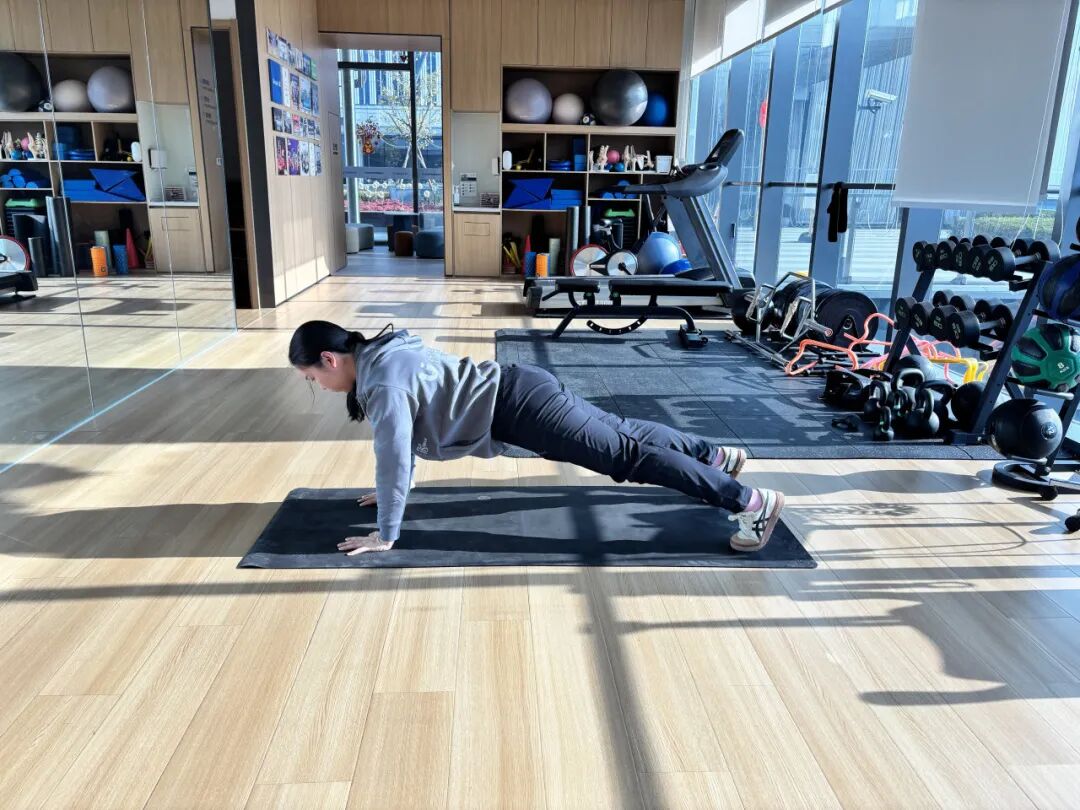
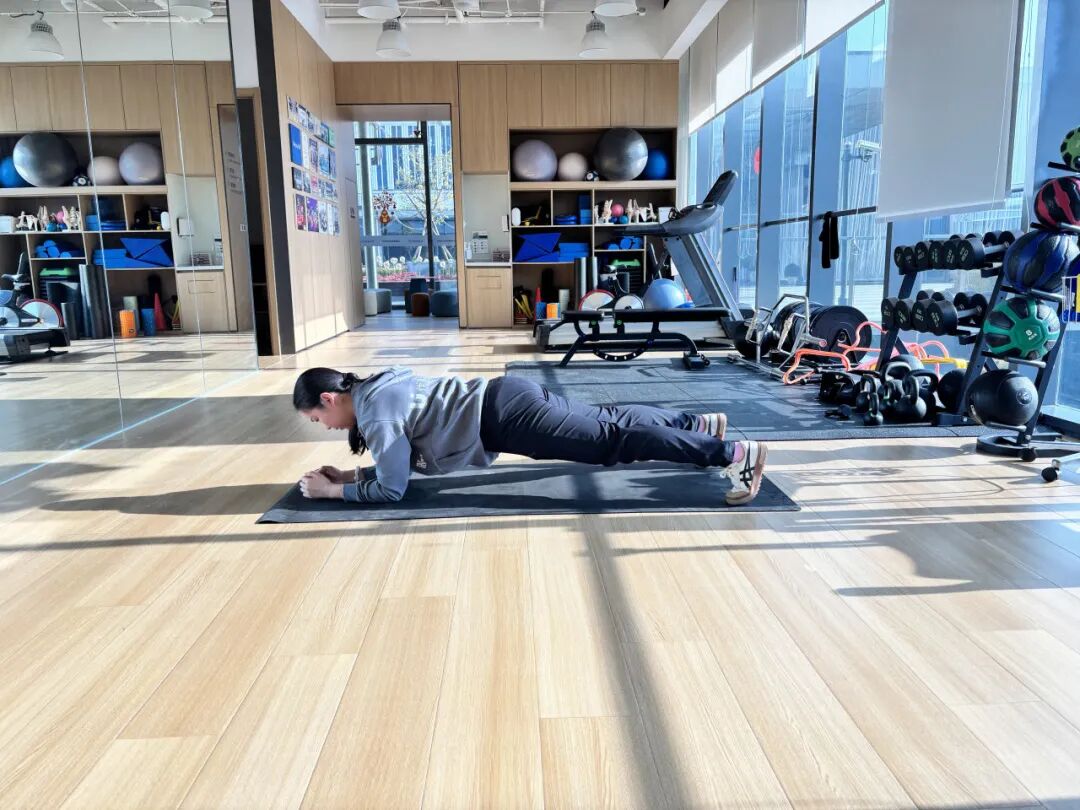
1. Planks
If you’ve been to UP before, you know we love our planks! Everything is better with a strong core. Starting with planks as the initial exercise is also a great way to fire up the body and prepare it for future functional exercises. To begin, lie on the floor with your forearms beneath your shoulders and elbows at a 90-degree angle. Stretch your legs behind you and support your body weight by lifting your stomach and balancing between your forearms and toes. Hold for 30 seconds, gradually progress to 2 minutes. Remember to engage your whole body- from your quads to your shoulders and be mindful of dropping or raising the hips.
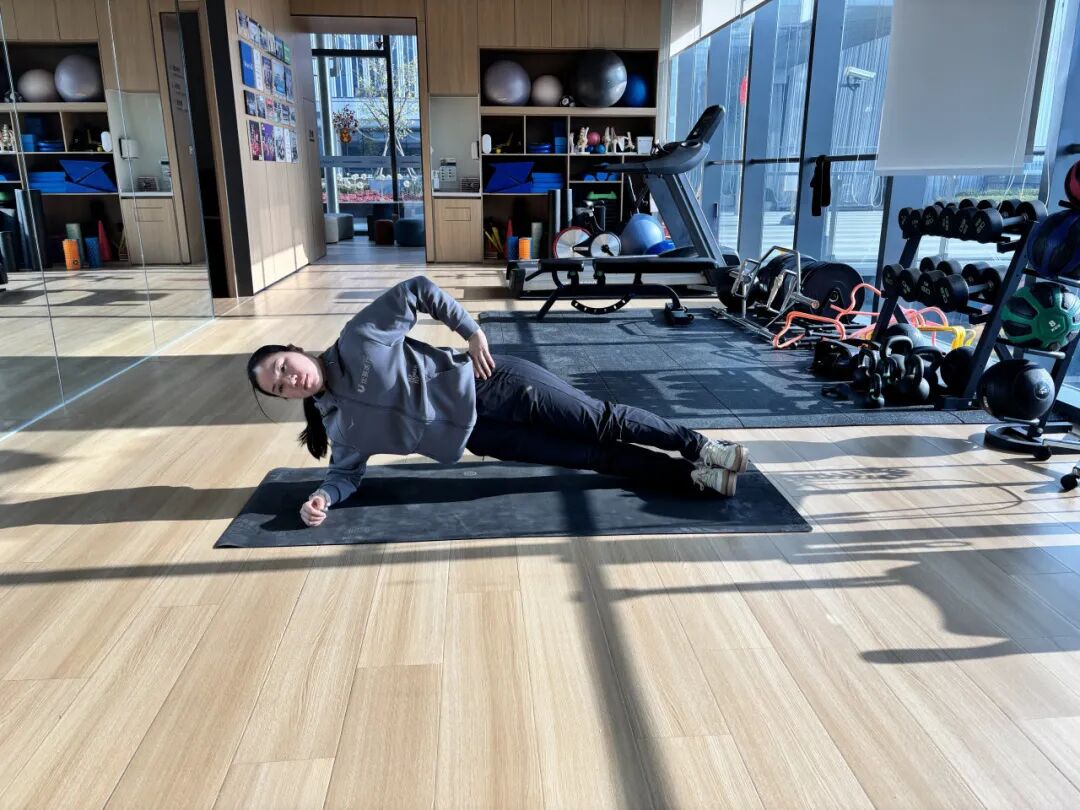
2. Side Plank
We’d be remiss to give you only one type of plank in your endurance program… if you want the full version, don’t forget to ask for our endurance core program next time you’re in. To begin, lie on your side with your body fully extended. Lift your body off the ground and balance your weight between your forearm and the side of your foot. Keep your body in a straight line and hold for 30 seconds. Change sides and repeat. Again be mindful that you keep hips elevated and be mindful of that straight line with the body.
3. Weighted Squats
A great exercises for building strength in the lower body – to make it extra UP-friendly add a mini-band around your thighs. This helps to keep your glutes engaged without allowing the knees to track inward. Start by standing tall with your feet hip distance apart. Bend your knees and extend your buttocks backward as if you are going to sit back into a chair. Keep your knees behind your toes and your weight on your heels. Rise to stand and repeat. Hold hand weights for an added challenge. And be mindful to not round your spine.
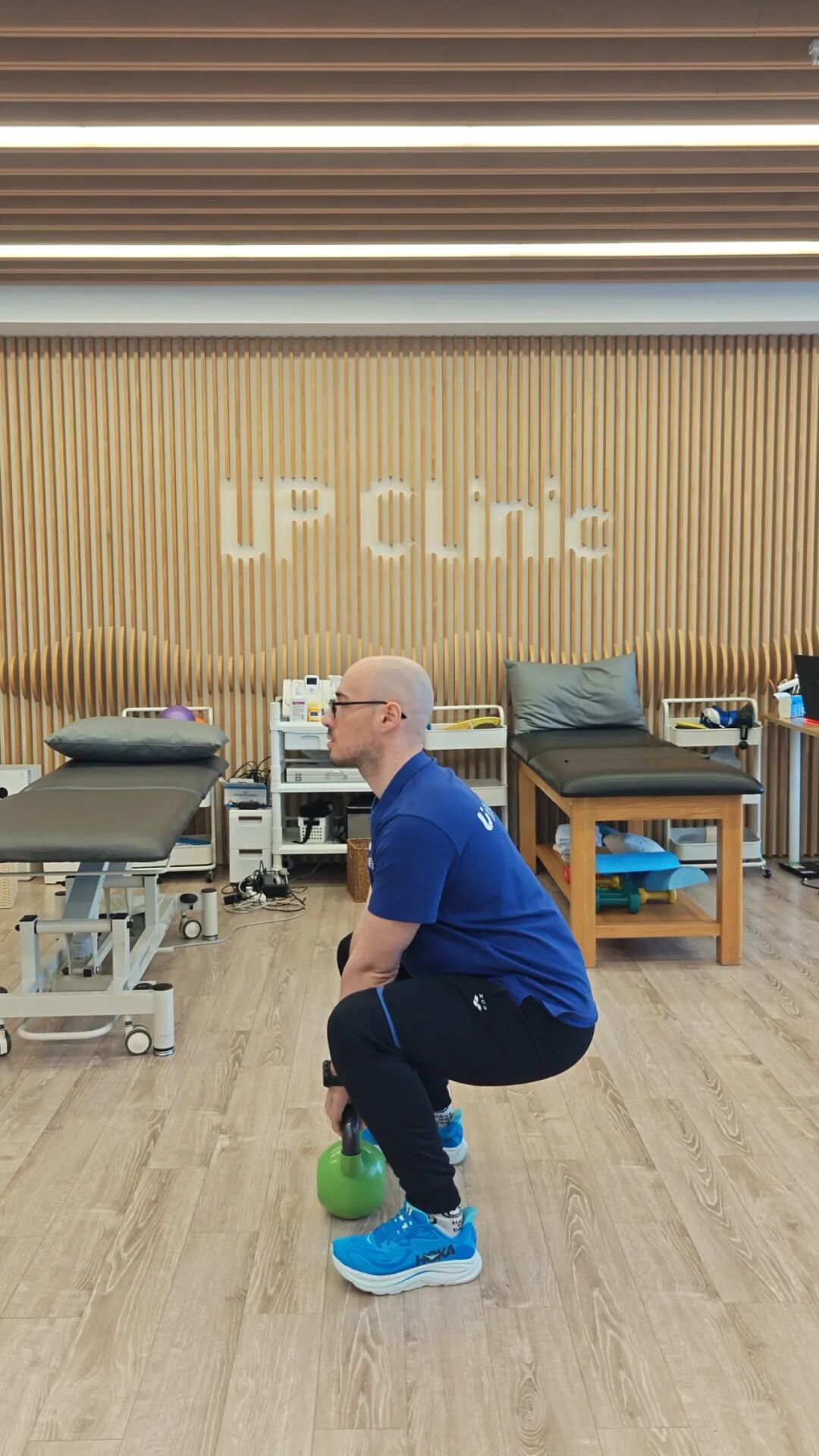
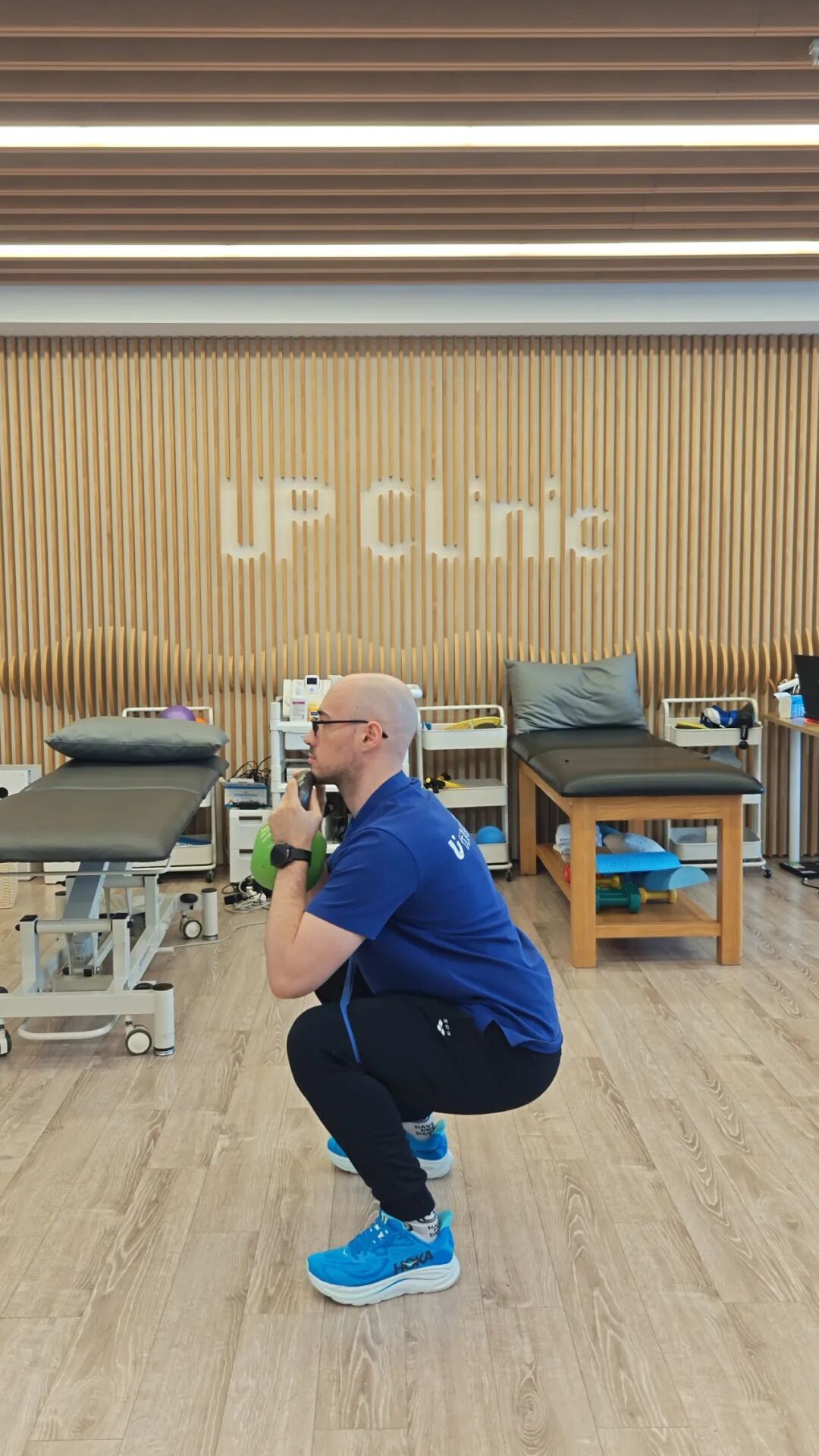
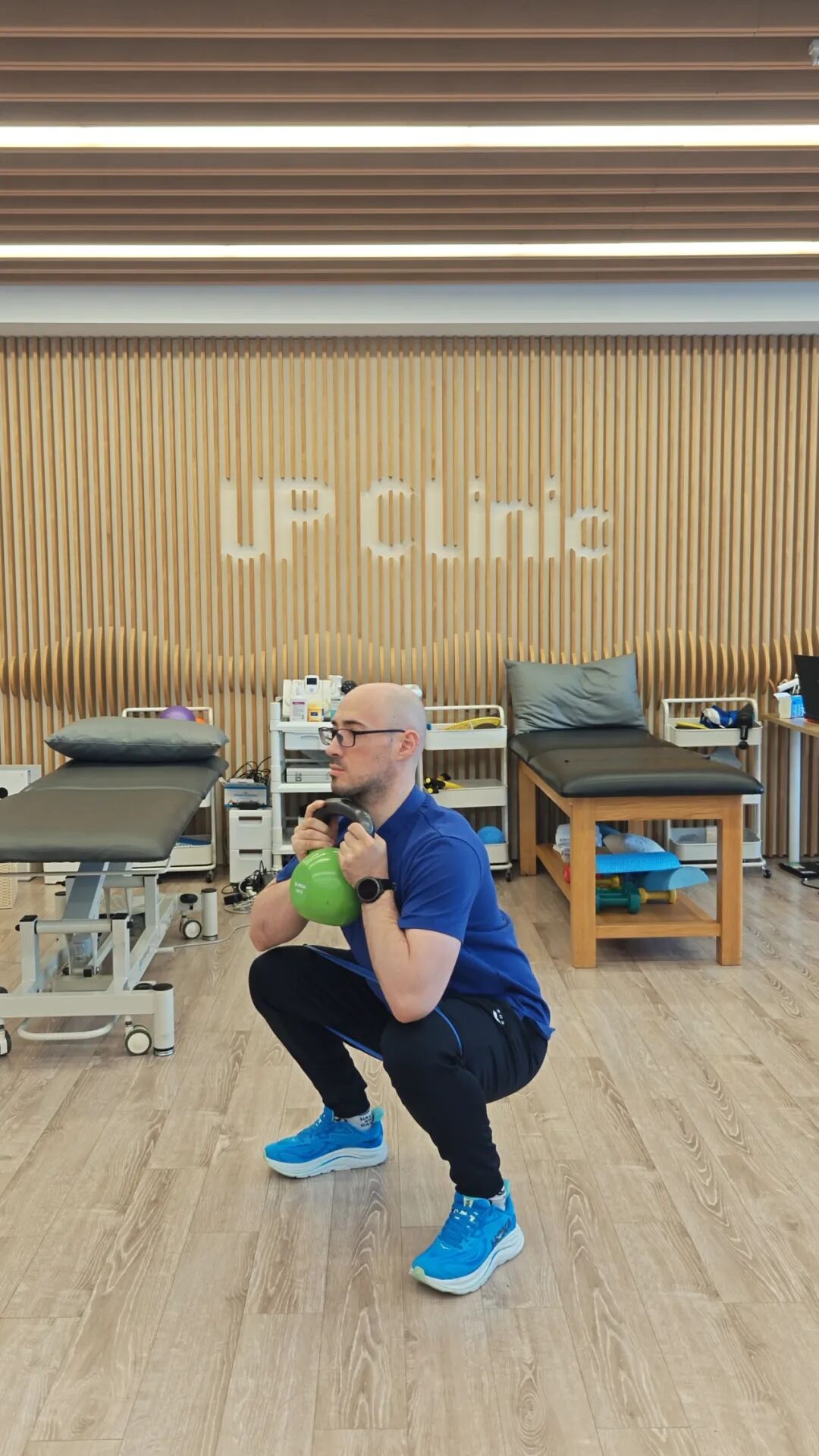
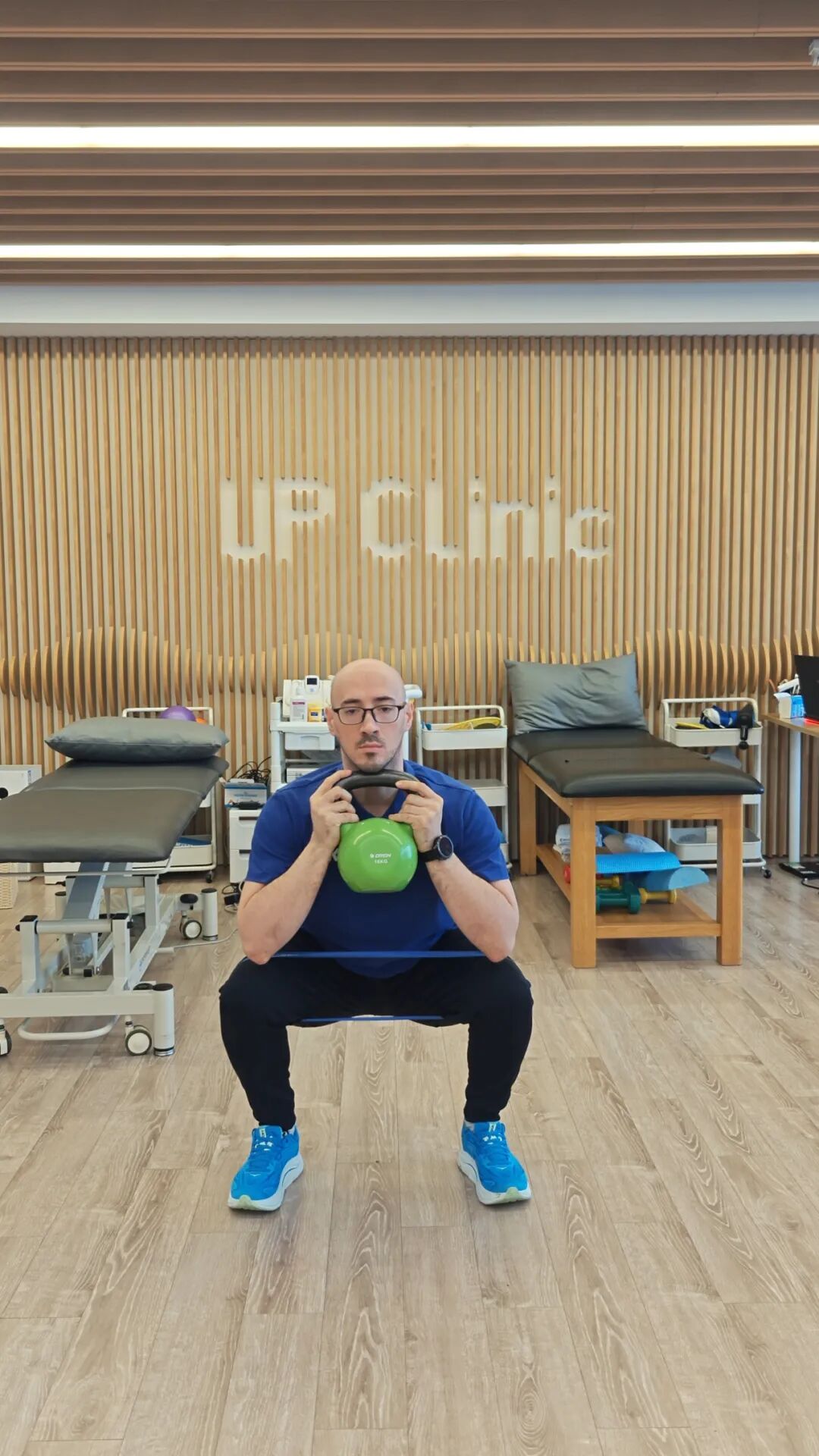
4. Split Squats
Another UP favorite. This can be done with a TRX, or flat surface such as a bench/chair – you might also want to keep an object near by for support. Place one foot on the surface behind you with the other foot slightly ahead of your body on the ground. (You can also do a staggered squat with one foot just behind on you – elevated – on the floor). Flex your knees and lower your hips until the back knee is just above the floor. Stand back up and return to the starting position. Repeat, then switch legs.
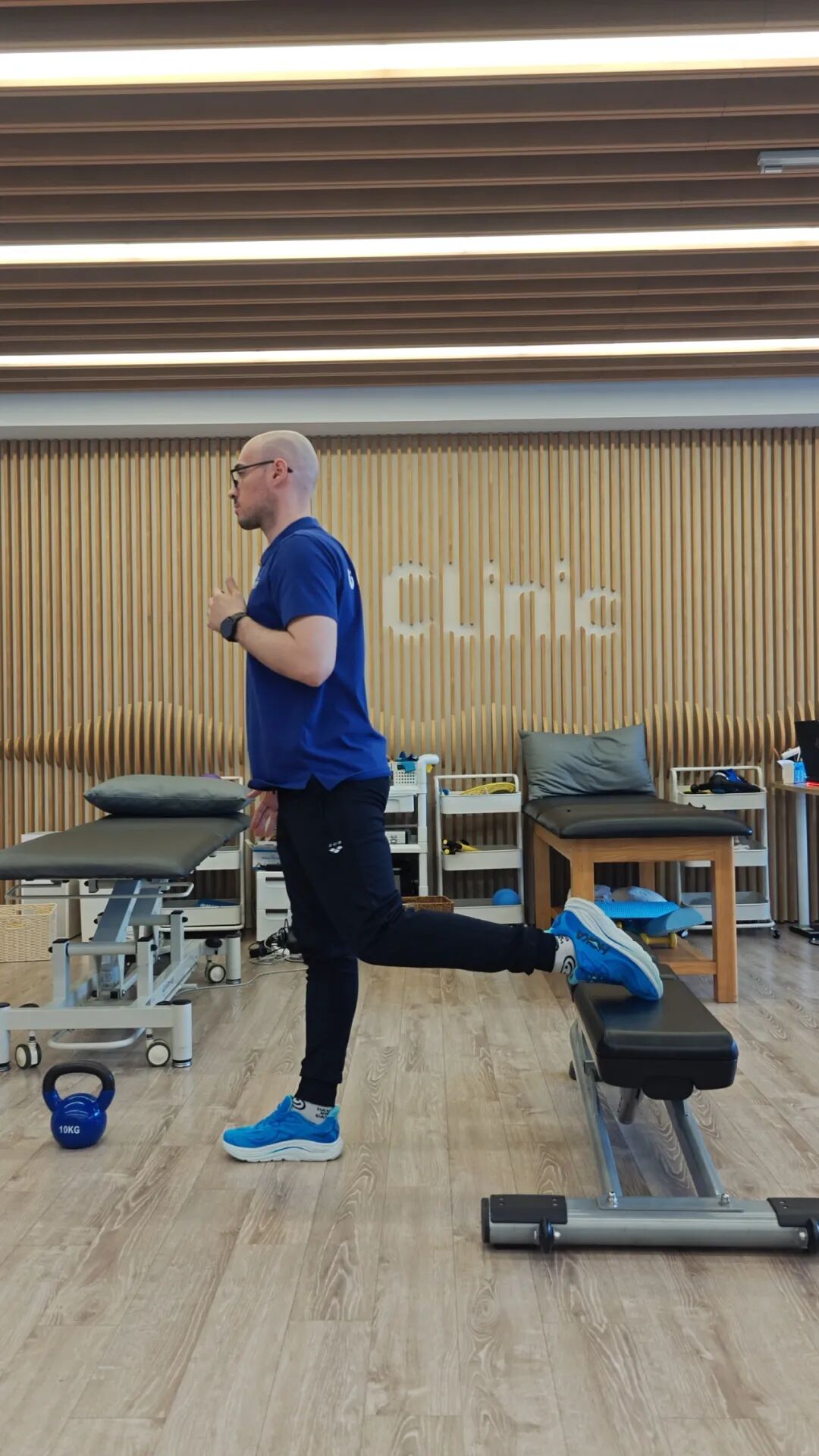
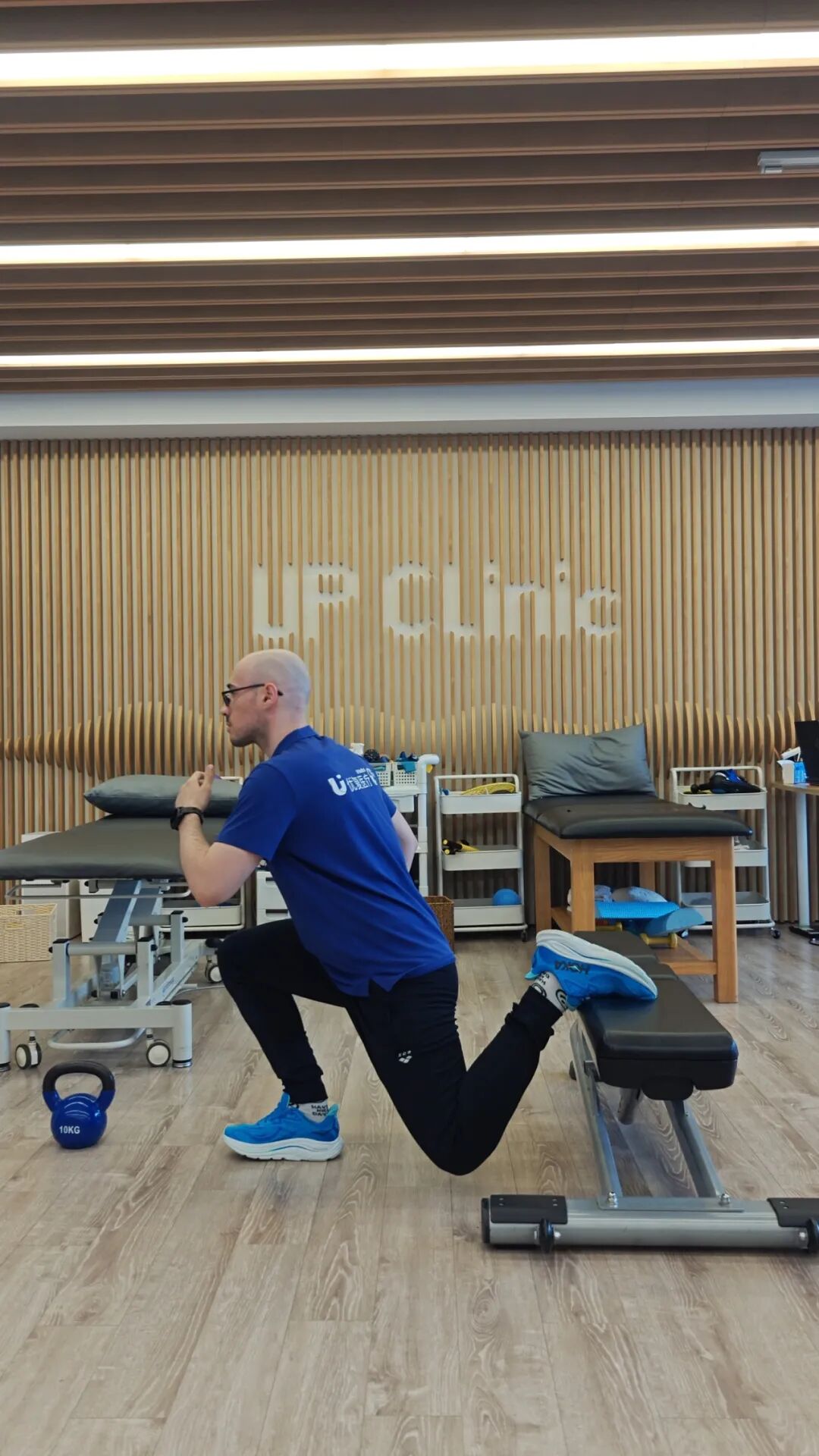
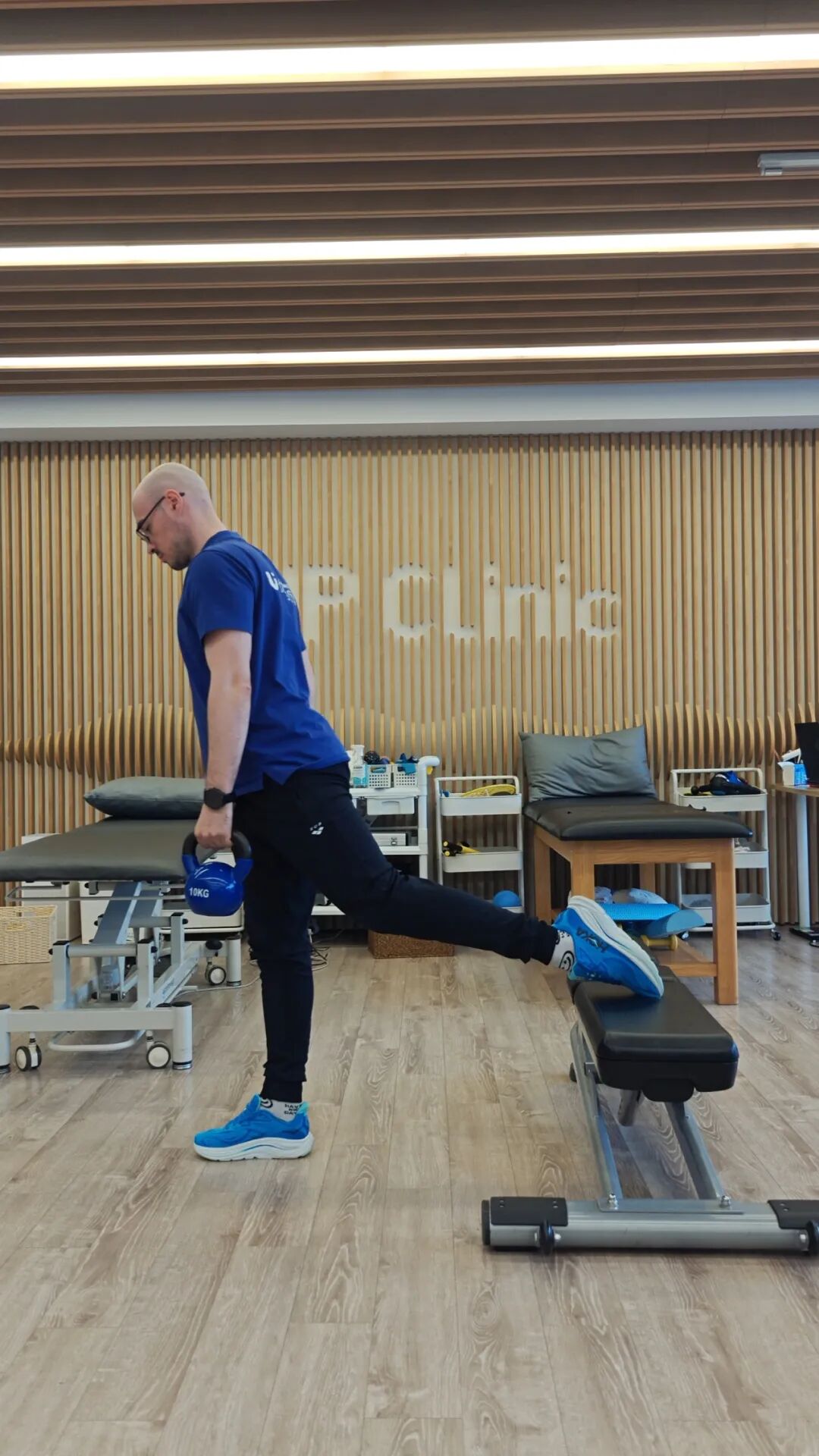
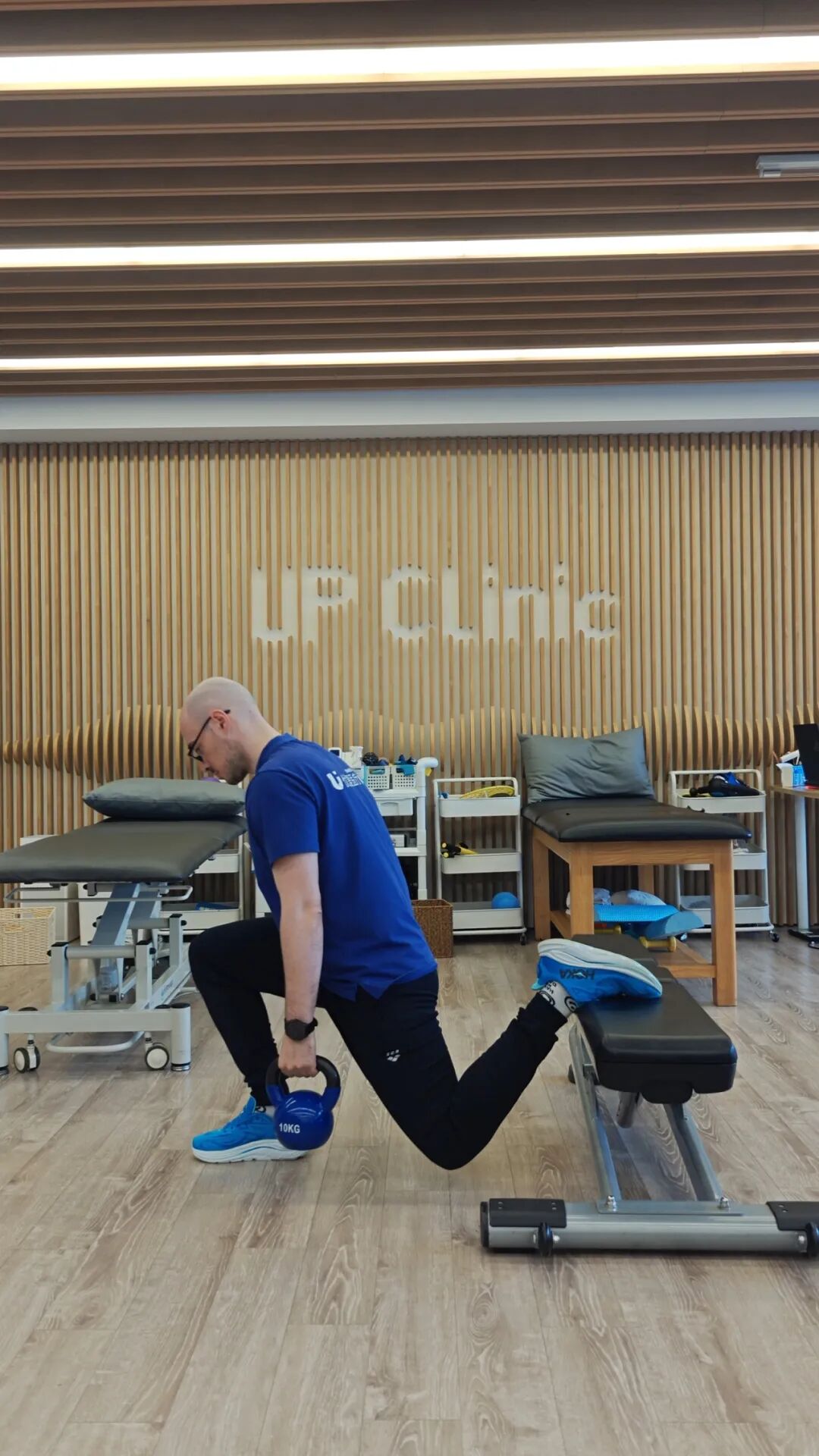
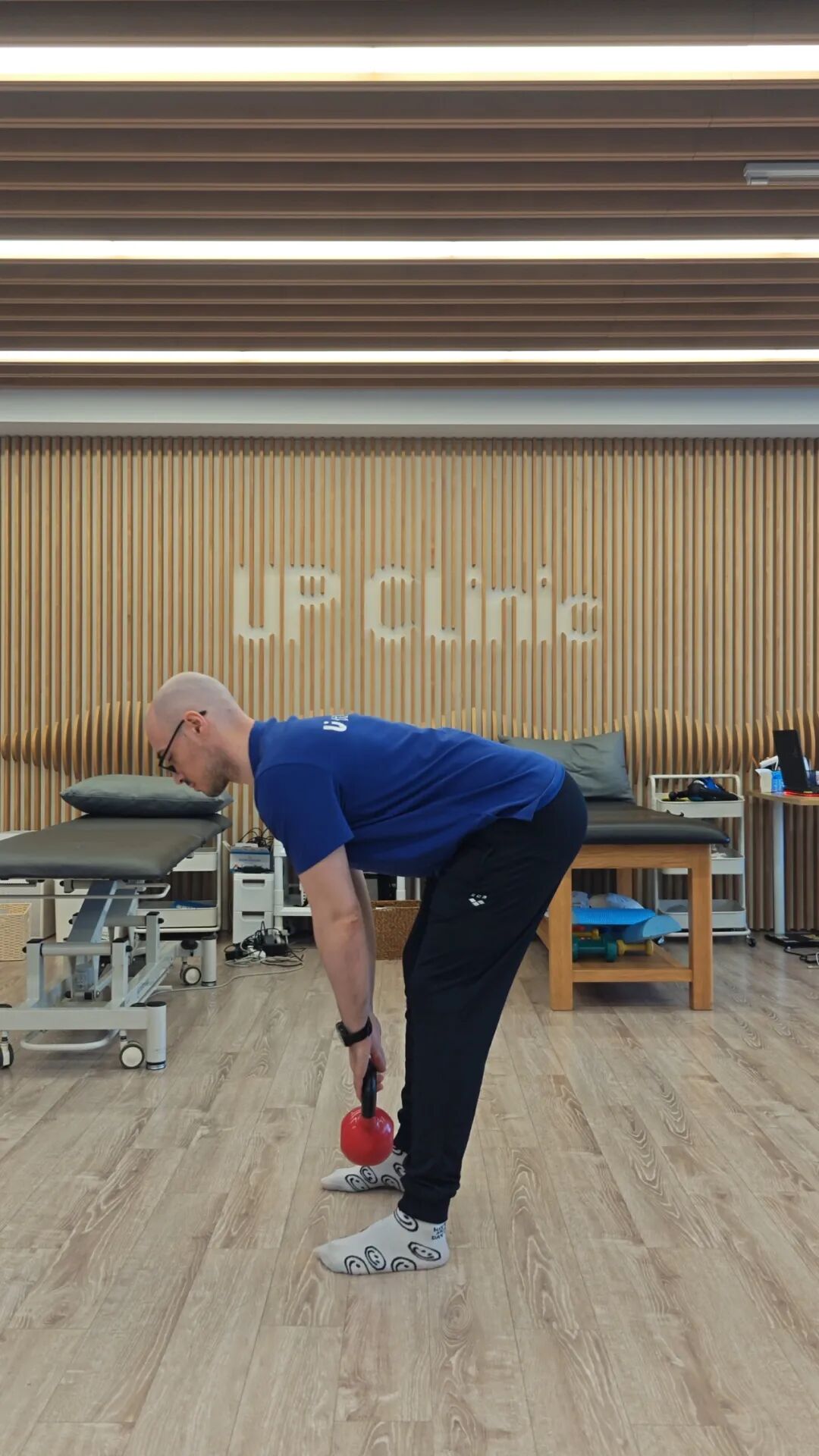
5. RDLs (Romanian Deadlift)
To perform an RDL, be especially mindful of keeping the back flat and core engaged, especially if using weights. To begin, stand with feet hip-width apart. Engage your core and hinge your hips forward, continue lowering until your torso is parallel to the ground or you feel a pull in your glutes and hamstrings. Now reverse the movement to return to the standing position.
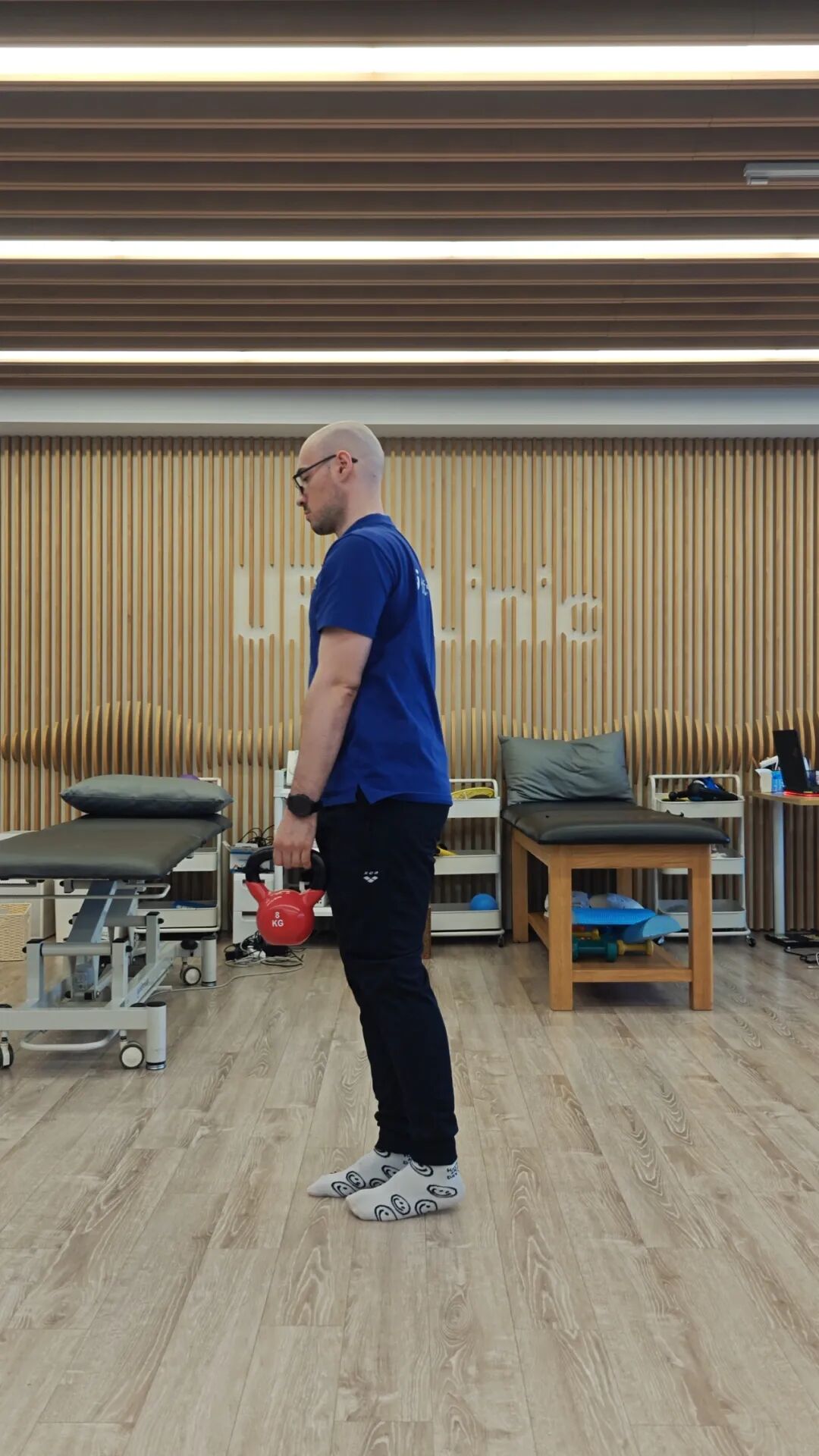
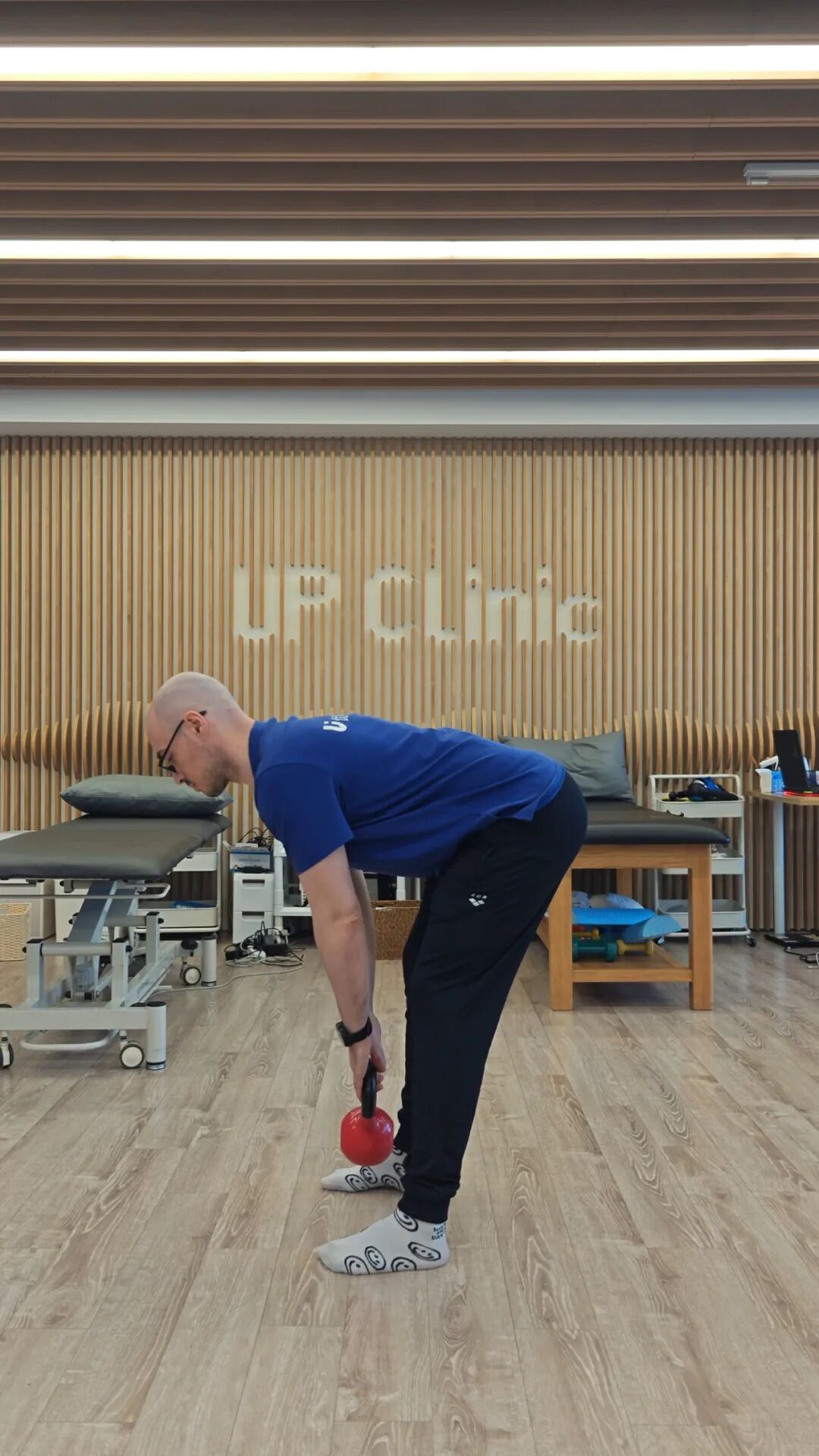
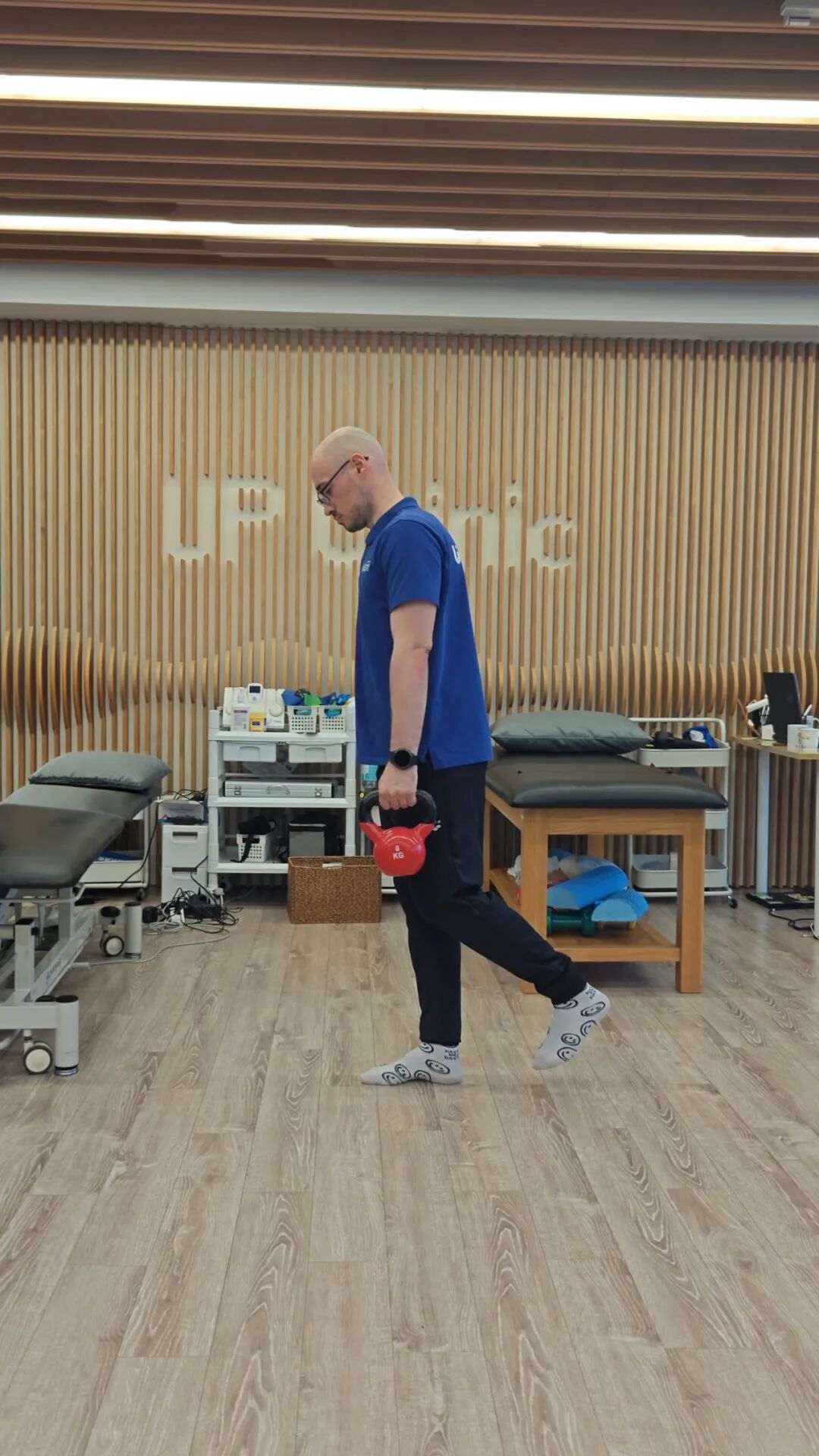
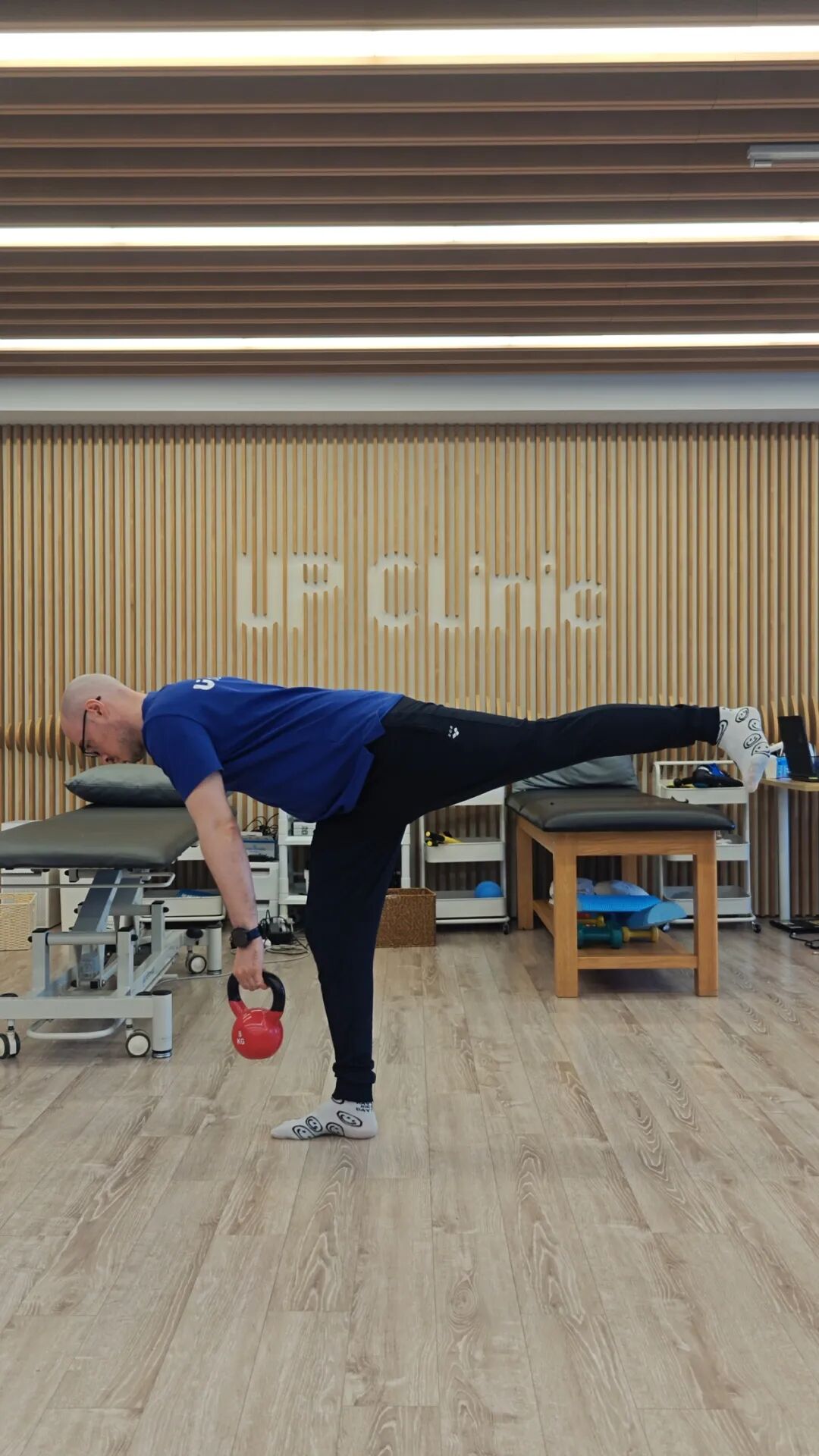
If you feel comfortable with this movement and want to practice balance and stability, consider performing this exercise as a single leg RDL. Start without weights and be mindful of leading with the lifted leg versus the torso. Again, be mindful of rounding the spine and try to keep hips as flat as possible.
6. Bench Dips
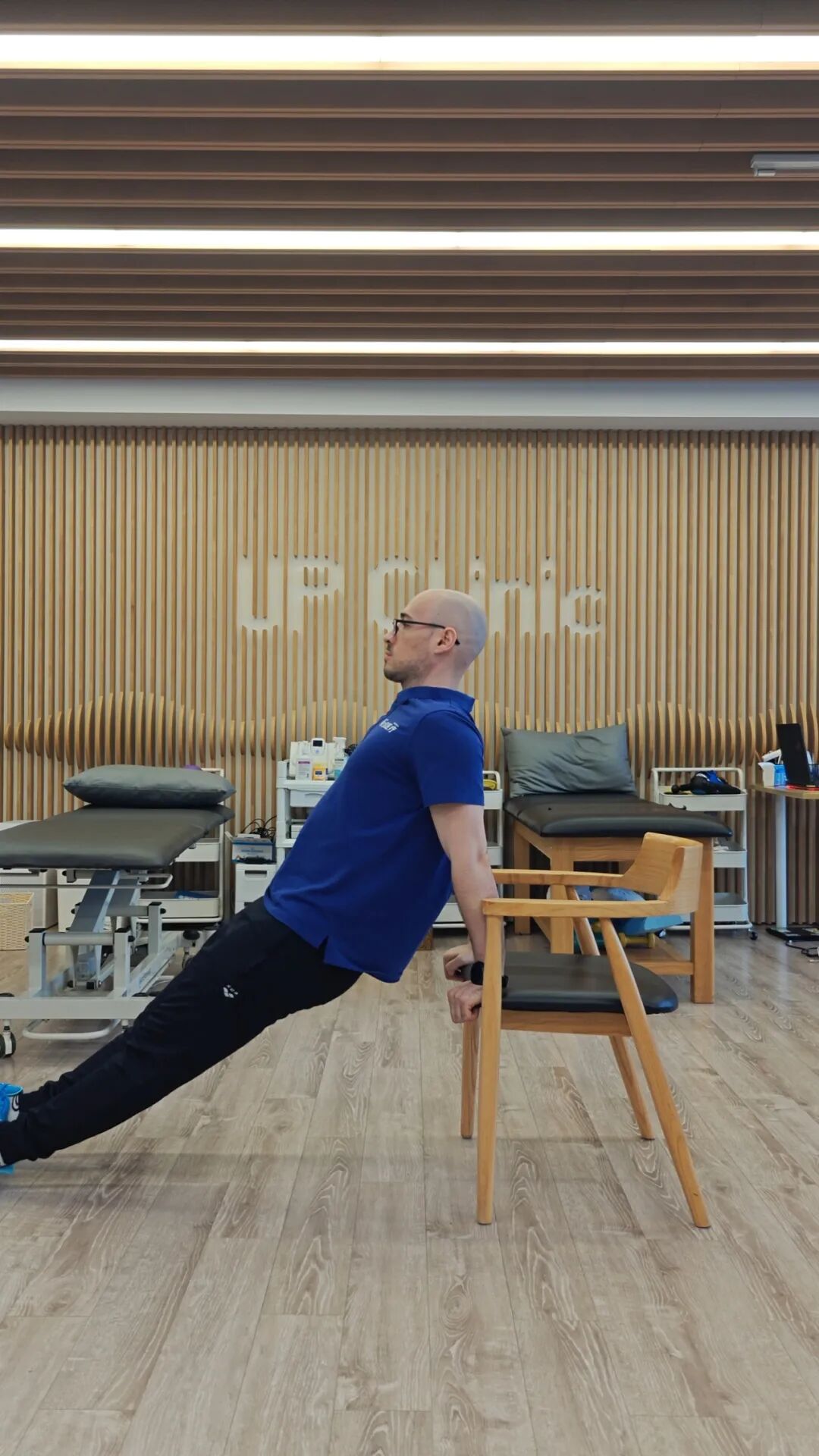
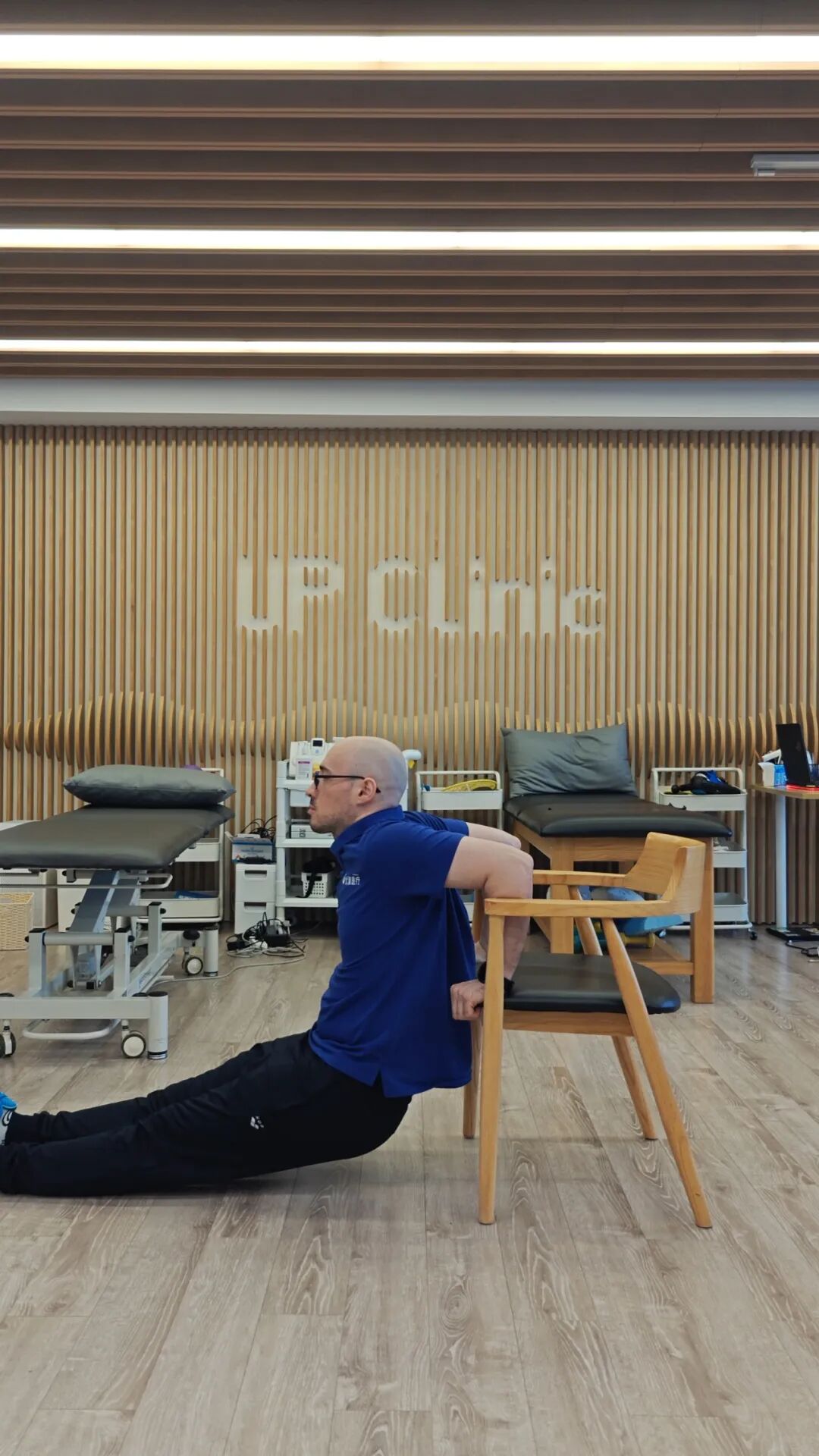
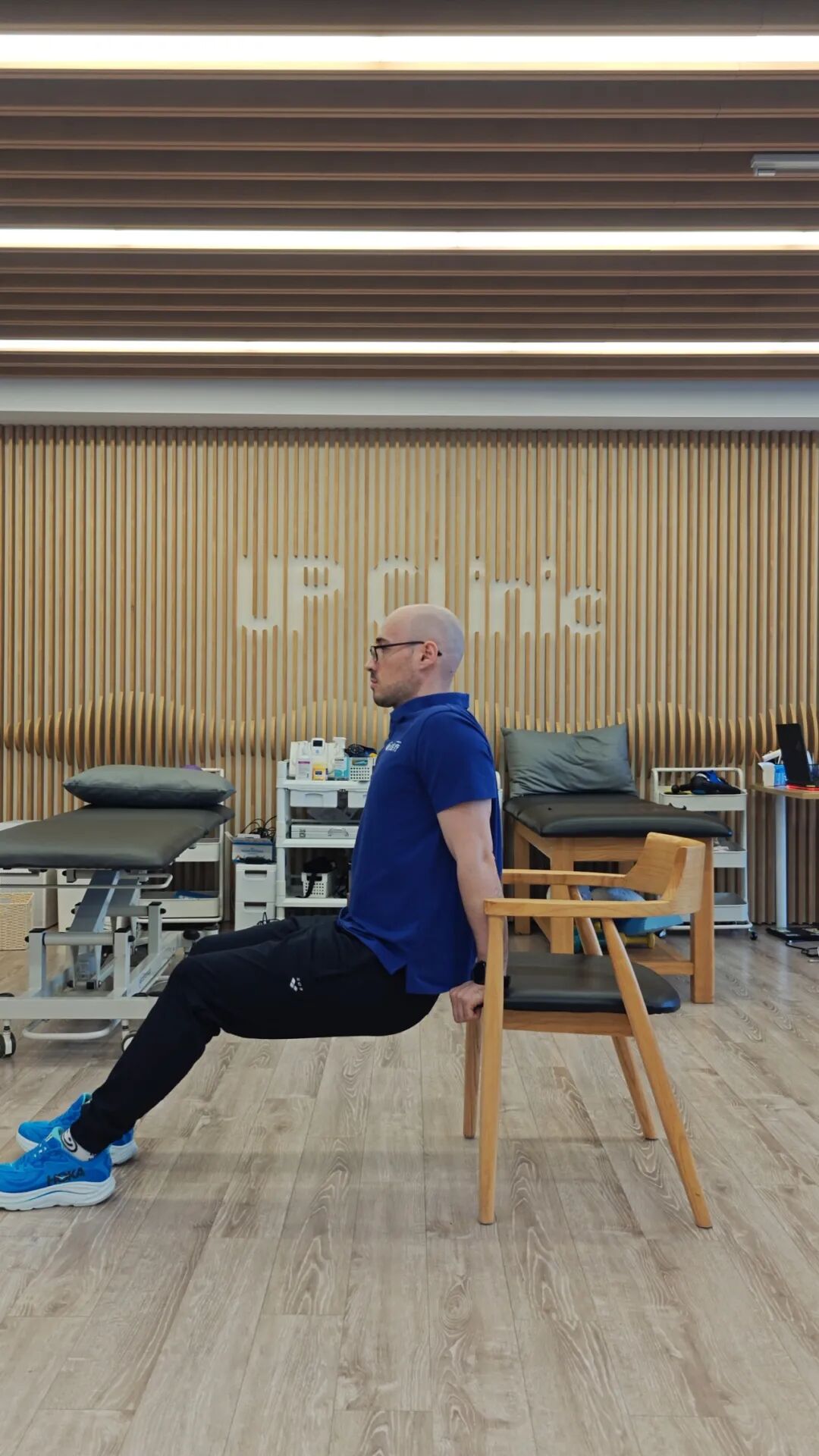
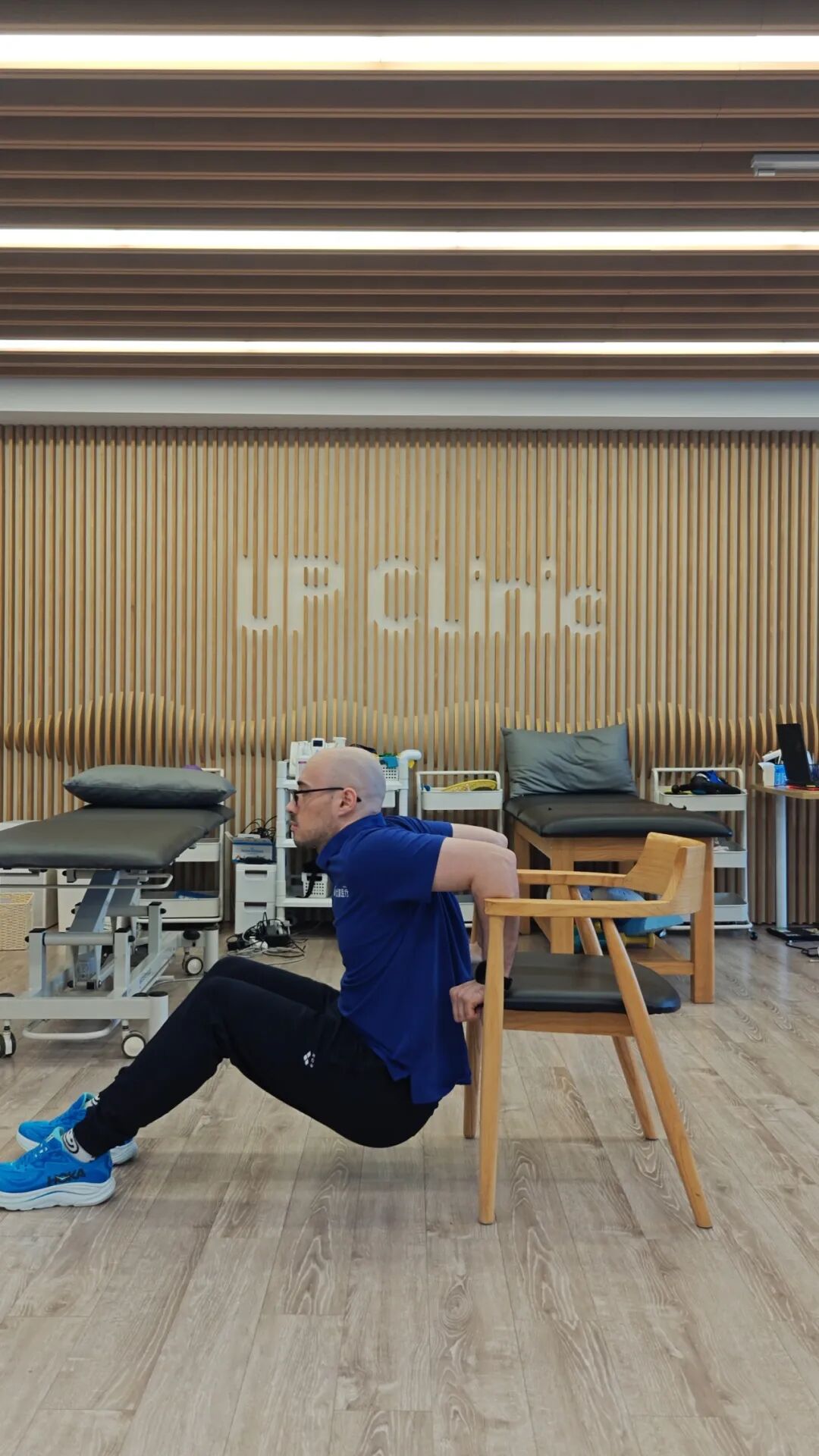
Using a chair or bench, grip the edge with fingertips pointing forward and arms shoulder-width apart. Extend your legs fully in front of you and lift your buttocks off the bench. Be mindful not to tense the shoulders and try to keep elbows parallel toward one another. Slowly lower your body by bending your elbows. Lower your body towards the floor and stop once your upper arms are parallel to the floor and your butt is a few inches off the ground. Legs can be at 90 degrees or extended straight out to make it more challenging. Once you’ve gone for depth, push yourself back to the starting position. Repeat.
7. Bird Dogs
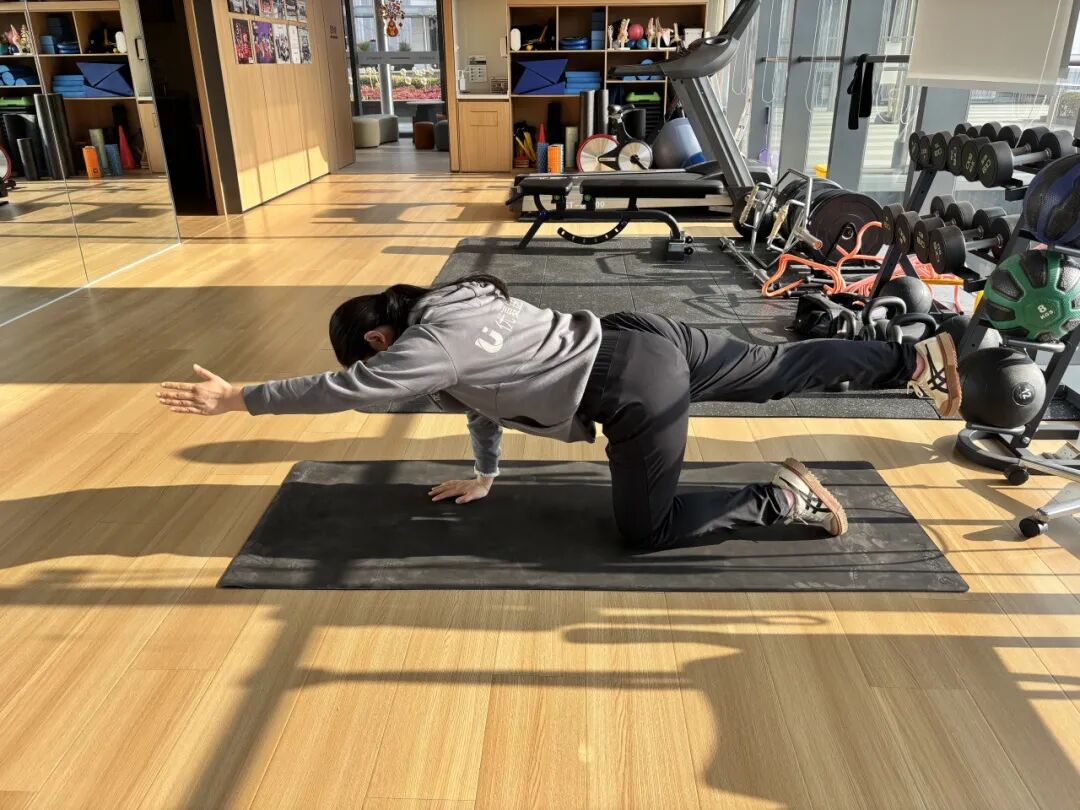
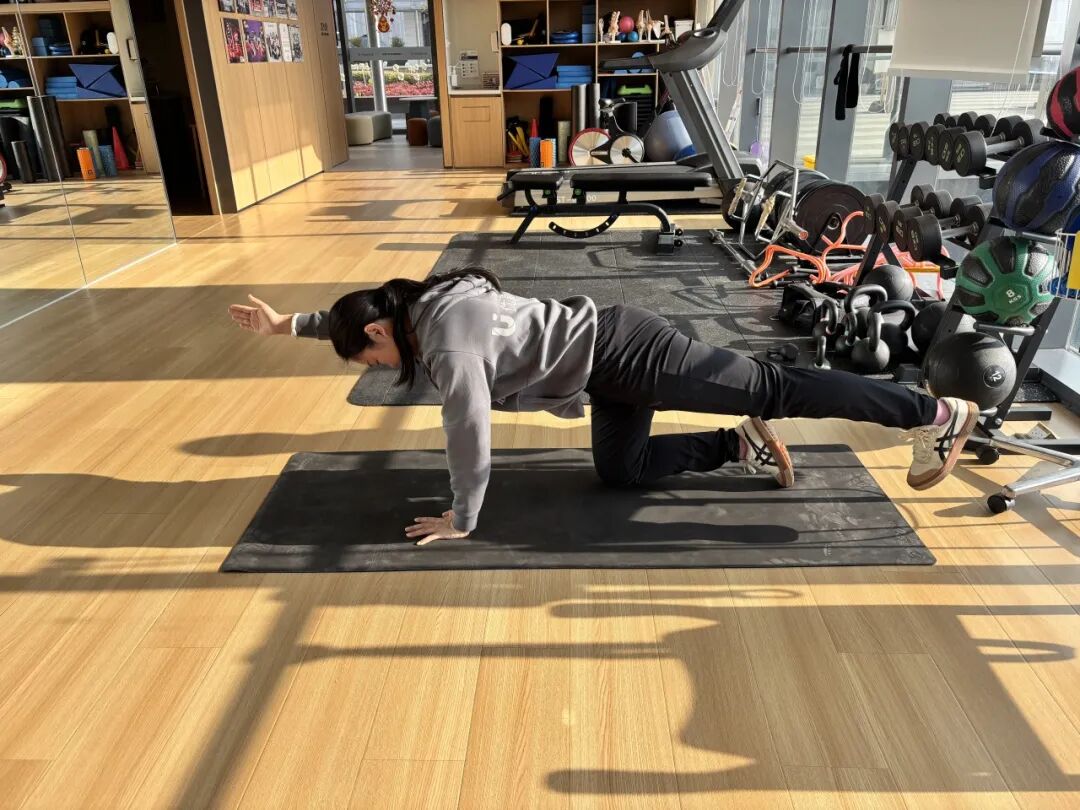
Back to core – this is a great exercise to perform, especially if you are returning from an injury. Start on all fours, with your hands directly under your shoulders and knees under your hips. With the core engaged – be mindful of dropping the torso – slowly extend one arm and the opposite leg while engaging core and maintaining a level spine position. Pause for 3 to 5 seconds, then return to the starting position and switch to the other side.
Continue alternating sides for 15 times. For added challenge, hold small hand weights.
8. Calf Raises
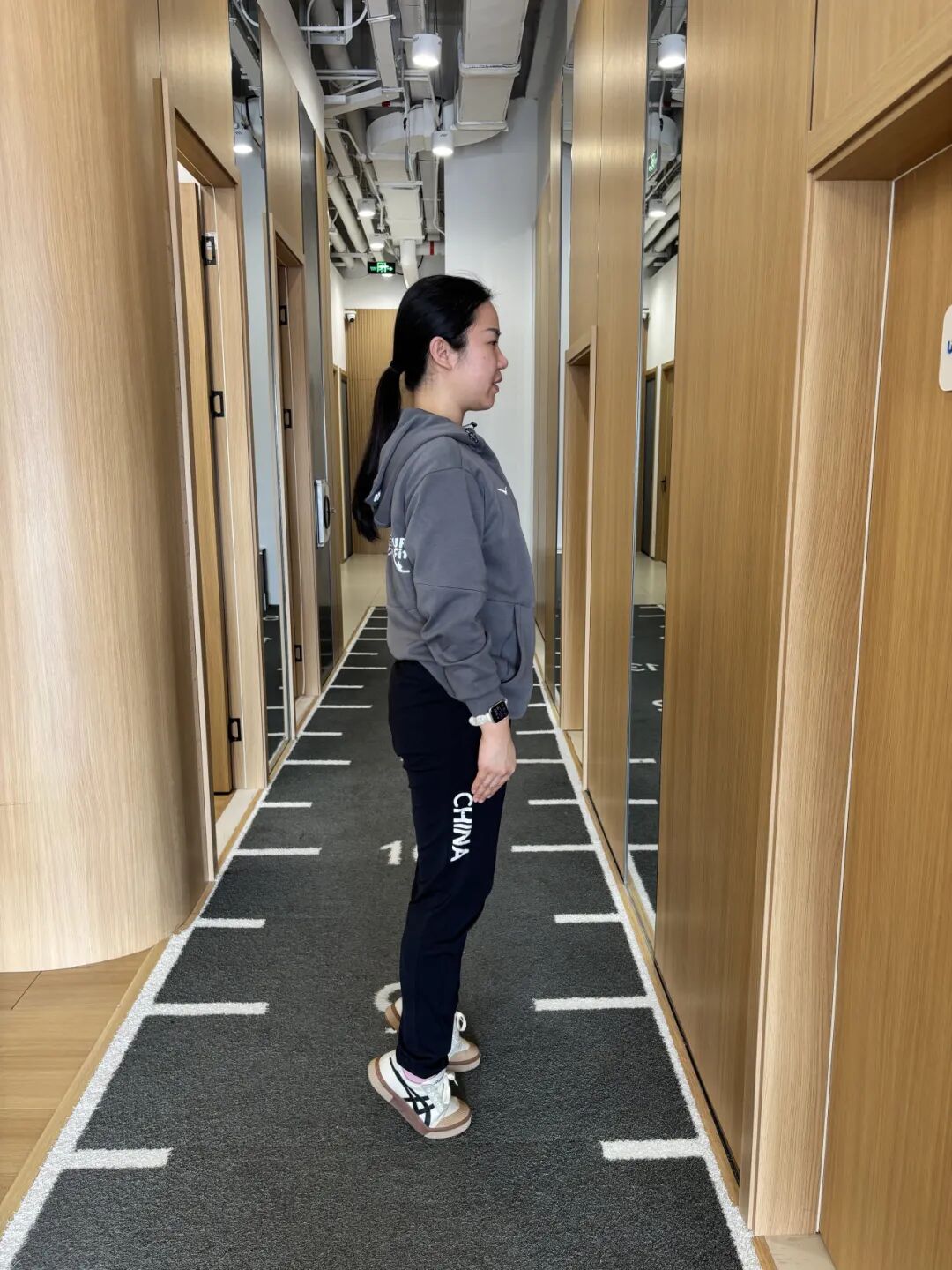
Last but not least, adding in a little calf work for good measure – and strong calves! Stand with your feet shoulder-width apart then shift your weight onto your toes and lift your heels by squeezing your calves. Pause for a few seconds. Slowly lower to the starting position, allowing your heels to contact the floor. Repeat. For added challenge, perform raises one leg at a time.
By incorporating strength training into your routine, you can enhance performance, reduce the risk of injury, and improve overall fitness. Of course, there are many more exercises that you can do, and some that might be not be listed but are more beneficial to your particular needs. To create a program that’s specific to you, schedule an appointment at UP today so that you can perform at your best during your next event.

本篇文章来源于微信公众号: 上海优复康复医学门诊部