

Knee pain after running?


Have you set some racing goals this year only to feel pain or discomfort in your knee(s) after training or racing? Don’t fret just yet. While pain is an indicator that something needs to be addressed, it does not necessarily mean you need to stop running altogether.
Running is a high-impact exercise that places significant stress on the lower body, especially due to repetition over time. Every time your foot hits the ground, force is transmitted through the ankle, shin and knee, which can eventually lead to inflammation, irritation and injury.
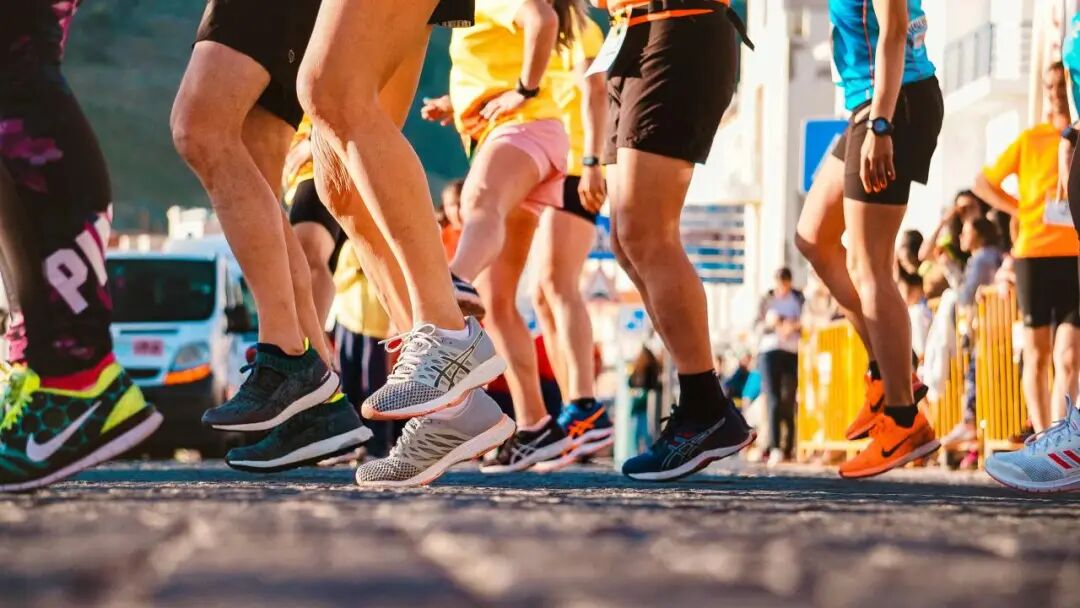
Before we address the more ‘serious’ stuff, there are several factors that can impact your risk of knee pain, such as:
Improper footwear: Wearing shoes that lack proper support or are too worn out can lead to knee strain.
Running form: Poor form, such as overstriding, or just general mechanics can cause additional pressure on the joints. If you’ve never had a running form assessment, did you know you can get one done with us? [10 Physio-Approved Treatments for Triathletes]
Weak muscles: This is one of the biggest triggers for pain – weak hips, glutes and/or quads and shift extra work to the knee joints. Fortunately, this is one of the areas where our team at UP can help the most. By providing you with an easy at-home exercise plan, you can strengthen those weak areas in no time and get back to the sport you love.
Overtraining: And then there’s the risk of doing too much too soon, or too much in general, and not letting your body recover, rest and de-load (read more about the importance of incorporating rest and off-season training hereThe Importance of Off-season Training).
These are just some of the initial causes of concern that we see, but of course things can get worse, especially if you don’t manage pain and performance early on. So if you’re feeling pain in a specific area of your knee, or something that just feels ‘not right’ keep reading to learn more about the six common causes of knee pain while running, and what you can do to treat them.
1. Runner’s Knee (Patellofemoral Pain Syndrome)
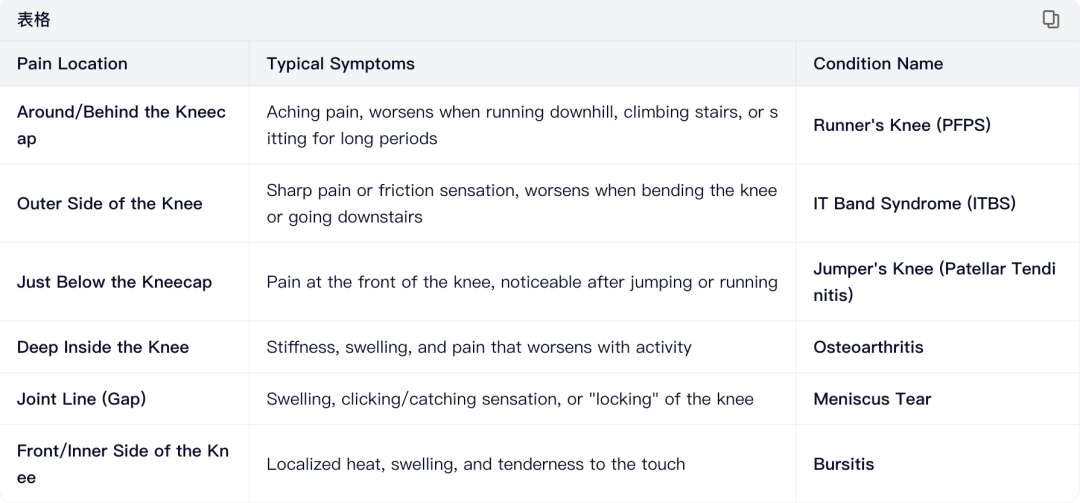
Patellofemoral or ‘Runner’s Knee’ causes pain in the kneecap during activities like running downhill or sitting. It’s due to misalignment from muscle imbalances or overuse.
What does it feel like?: Aching pain around or behind the kneecap, especially when running downhill, climbing stairs, or sitting for long periods.
Prevention: Strengthening the quadriceps, glutes, and hip muscles can help stabilize the kneecap and improve alignment. It’s also important to incorporate rest days and possibly get your running form checked to avoid overstriding.
Treatment: Rest and compression can help reduce inflammation, however physical therapy can help strengthen key muscles around the area.
2. Iliotibial (IT) Band Syndrome
Iliotibial (IT) Band Syndrome causes sharp knee pain from IT band friction, often due to overtraining or increasing mileage too quickly. The IT band is a thick tendon that runs from the hip to the knee. It can become tight and irritated due to repetitive friction against the outer knee.
What does it feel like?: Sharp pain on the outside of the knee, which may worsen with running or bending the knee. The pain may also be present when going down stairs.
Prevention: Regularly stretching the IT band and strengthening the glutes and hip muscles can help reduce tension and friction. (Bands, bands, bands!). It’s also a good idea to gradually increase mileage, especially when returning to your training program.
Treatment: Foam rolling to release the tension and physical therapy – especially to strengthen the hips – can help address the root cause of the issue. But rest is the biggest helper to avoid further irritation.
3. Patellar Tendonitis (Jumper’s Knee)
Patellar Tendonitis, also called Jumper’s Knee, causes pain below the kneecap from tendon inflammation due to overuse or strain.
What does it feel like?: Pain just below the kneecap, typically after running or jumping, hence the name.
Prevention: It’s important to strengthen the quadriceps and calf muscles to help reduce train on the patellar tendon. Try to avoid sudden increases in running intensity and distance, especially during recovery.
Treatment: Work to reduce activity levels during the recovery phase and focus on targeting exercises to strengthen the knee cap. It might also be worth considering wearing a knee brace or patellar strap for support during recovery.
4. Osteoarthritis
Osteoarthritis causes knee pain, stiffness, and swelling due to cartilage breakdown in the knee joint, leading to bone-on-bone contact and pain. It’s can affect runners with a history of knee injuries, but is more common in older adults.
What does it feel like?: Stiffness, swelling, and pain in the knee, often worse after activity.
Prevention: Maintaining a healthy weight to reduce impact, wearing proper running shoes, and avoiding overtraining can reduce the risk of osteoarthritis. Strengthening the muscles around the knee can also provide additional support.
Treatment: It can be hugely beneficial to get support from a physical therapist due to the multi-factorial approach to treatment. Having someone support you on the recovery journey with exercise corrections and modifications, while also working to reduce weight management can be critical. Pain relief methods and surgery might be suggested, but it’s important you talk to your physical therapist first to see what can be addressed through lifestyle changes.
5. Meniscus Tears
The meniscus is a C-shaped piece of cartilage that cushions the knee joint. Meniscus tears can be very painful, resulting from sudden twisting movements or repetitive strain.
What does it feel like?: A meniscus tear can cause knee swelling, stiffness, and sharp pain, sometimes with a catching or locking sensation.
Prevention: Strengthening the muscles as well as increasing flexibility is an important part of preventing pain. It’s also wise to avoid running on uneven surfaces that may cause sudden twists or falls.
Treatment: Treatment ranges from rest and therapy for minor tears to surgery for severe cases to remove the damaged cartilage, but it’s important you consult with your physical therapist before choosing the latter.
6. Bursitis
Bursitis occurs when the small fluid-filled sacs (known as bursae), which cushion the knee joint become inflamed due to overuse or pressure.
What does it feel like?: Bursitis causes knee swelling, warmth, and tenderness, often from overuse. It is typically felt at the front or inner side of the knee.
Prevention: It’s important to rest and reduce the swelling, while also incorporating stretching and gradual mileage increase once you get back to running.
Treatment: Along with the prevention methods, physical therapy may help strengthen the surrounding muscles to prevent recurrence.
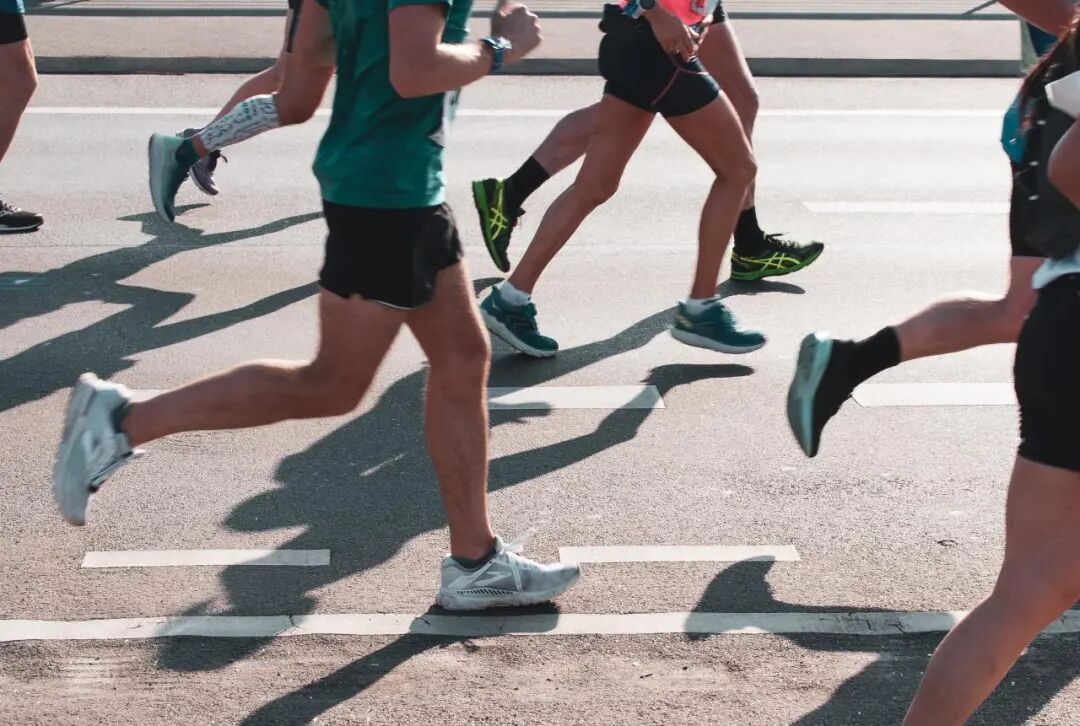
Along with treating the specific ‘pain points’ it’s also worth considering incorporating cross-training activities like swimming or cycling to help maintain fitness while giving your knees a rest from the impact of running. Strengthening exercises, particularly for the hips, glutes, and quadriceps, can help improve knee stability and prevent future injuries.
Most importantly, if you do have long-term pain, it’s worth getting a diagnosis as well as a game-plan to help manage pain and symptoms. The more you know and understand about your pain and/or injury, the better you can help work with said pain to support, strengthen, heal and get back to the activities that you love.
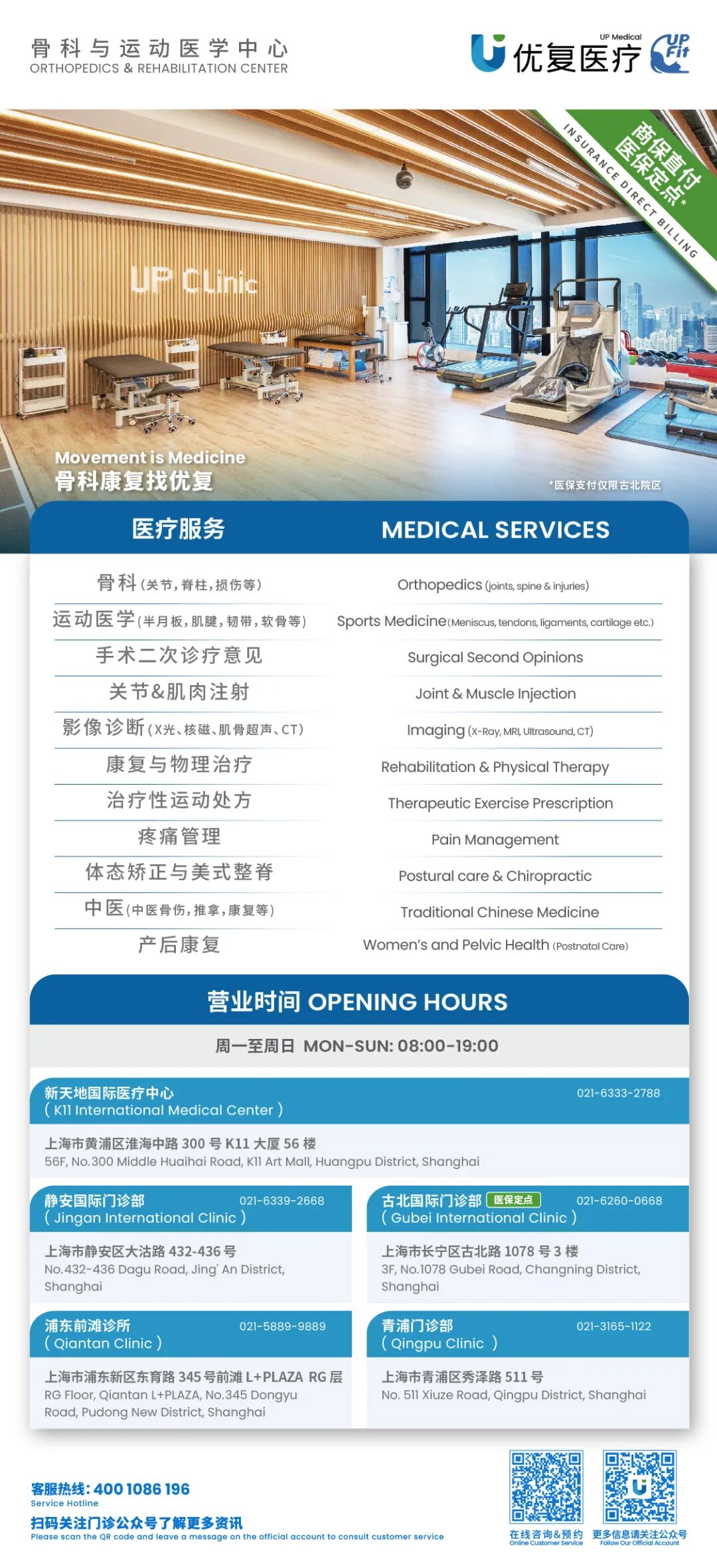
To set up a consultation and get back on the road, contact our UP customer service.
本篇文章来源于微信公众号: 上海优复康复医学门诊部