
Q&A: David Yue (TCM)


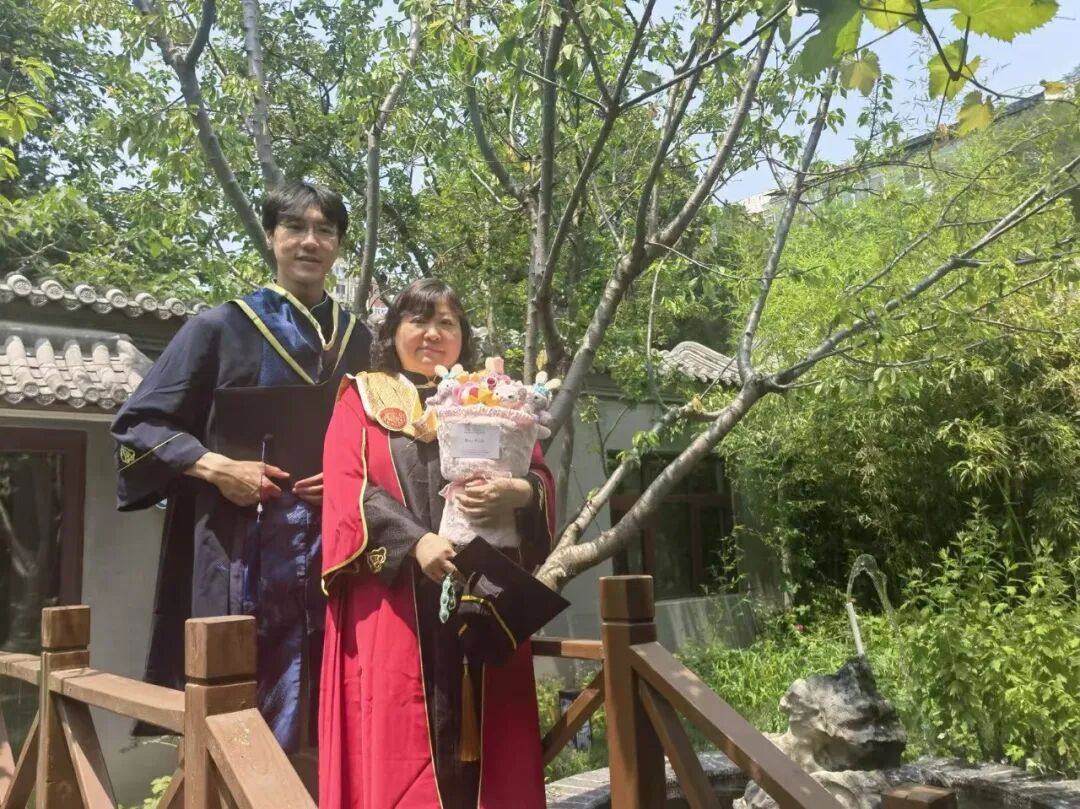
Doctor David Yue is a recent edition to the UP team, only just having joined this month! In his early education he studied from the Department of Sports Medicine at Kaohsiung Medical University in Taiwan before pursuing advanced studies at Beijing University of Chinese Medicine. He has also received his Bachelor’s degree in Traditional Chinese Medicine and a Master’s degree in Internal Medicine of Traditional Chinese Medicine.
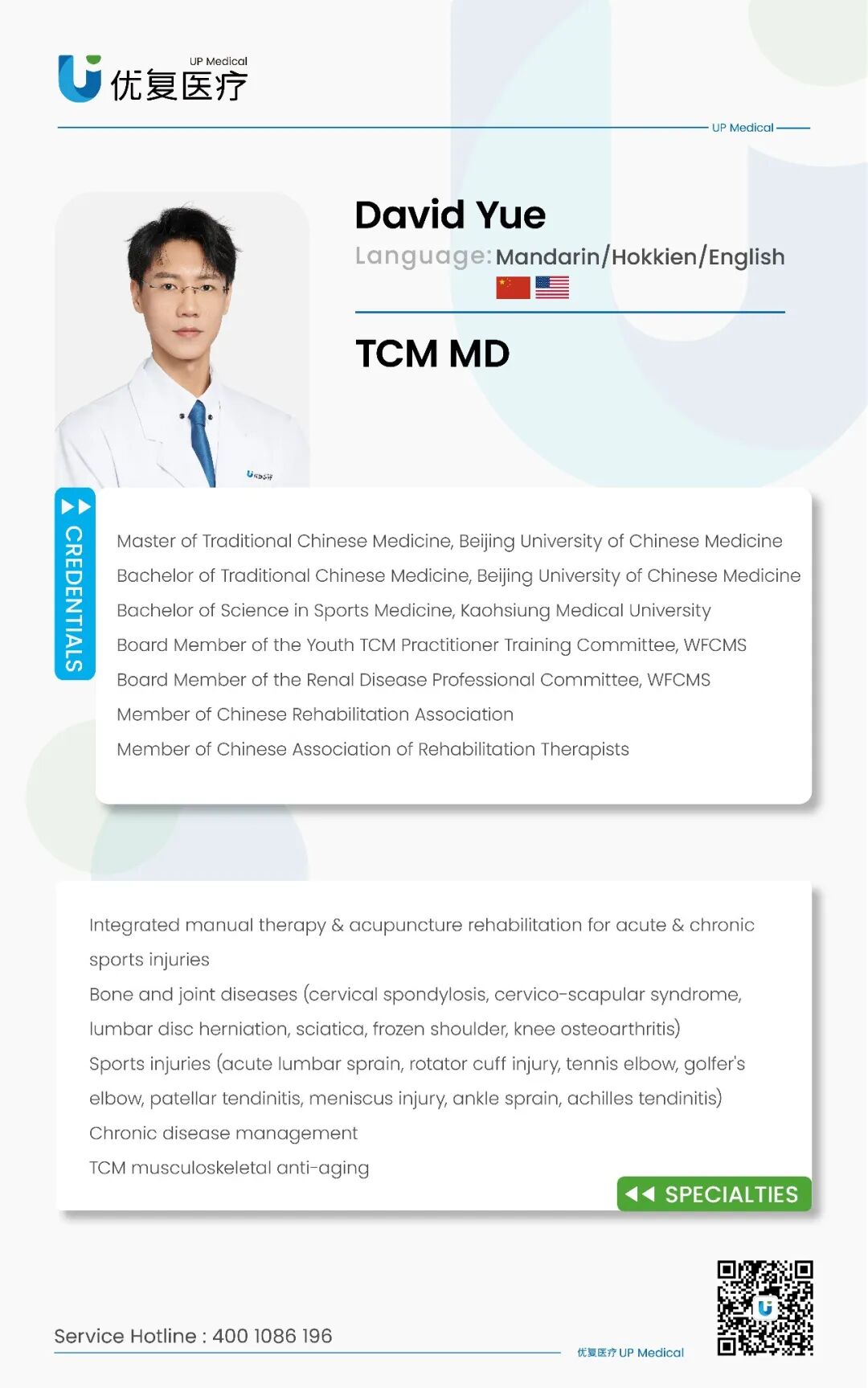
And while passionate and experienced in TCM, outside of work, his life is also rich and balanced as he enjoys both active and quiet hobbies. He’s a huge basketball fan; Kobe Bryant is his ultimate idol with his ‘Mamba Mentality’ – that unwavering, fiercely and competitive spirit and extreme focus has ‘deeply influenced him’. He also enjoys skiing and simply working out.
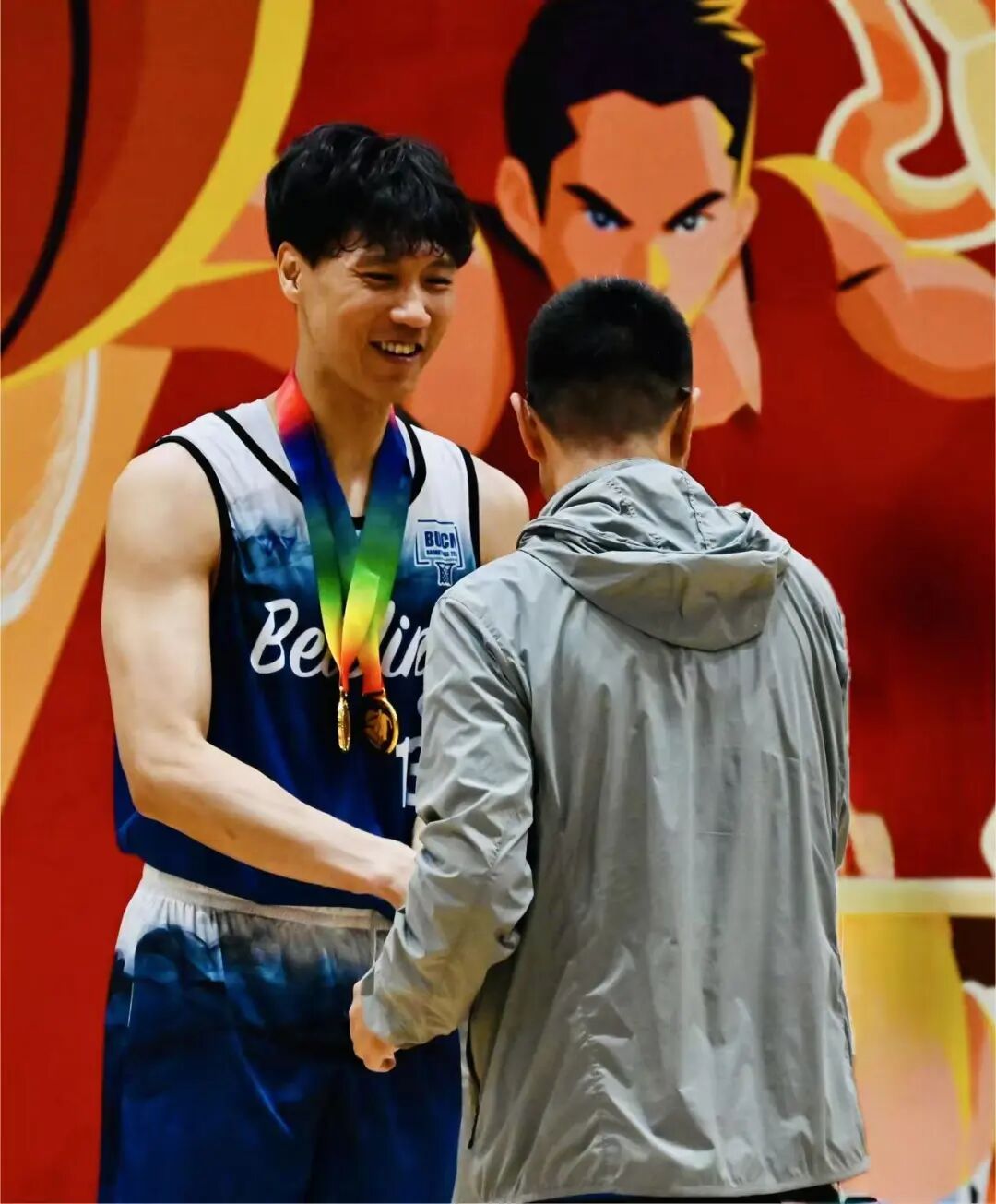
“My goal is simple: to stay healthy, maintain good physical shape and sustain my athletic performance so I have the energy to handle both work and life effectively.”
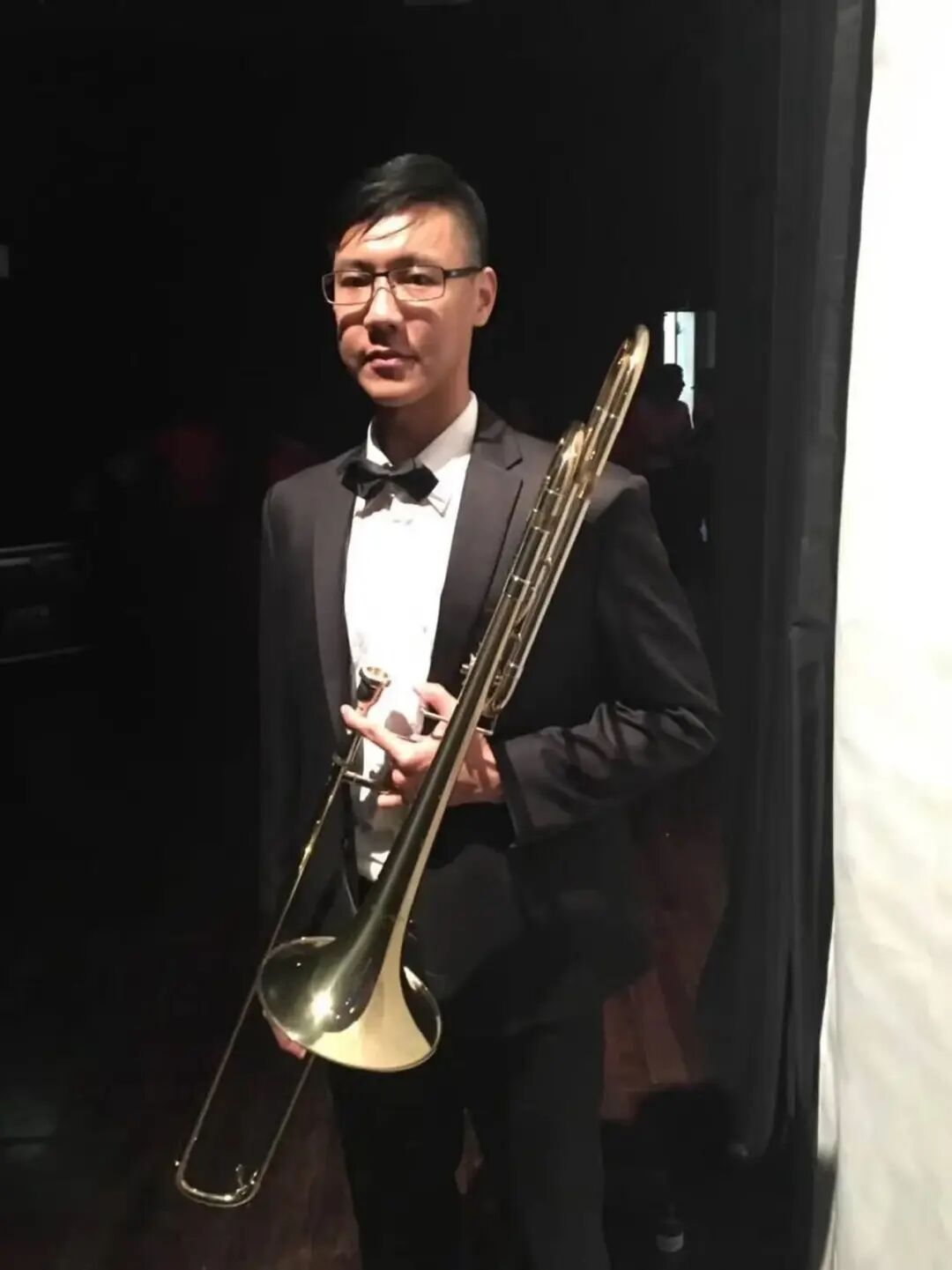
Dr. Yue has also studied music since he was a child. Classical music played a major role in his life and he even performed in various orchestras! Now that you have a small insight into his hobby and personal passions, read on to learn more about his work as a TCM doctor:
“My goal is simple: to stay healthy, maintain good physical shape and sustain my athletic performance so I have the energy to handle both work and life effectively.”
Q
How did you initially decide to work in TCM?
For me, Traditional Chinese Medicine (TCM) has always been an integral part of daily life. In Taiwan and across the southern regions, the atmosphere surrounding TCM is deeply ingrained; the concept that “medicine and food share the same origin” permeates every aspect of life—from the soups and wellness teas brewed at home to the herbal medicine shops found in neighborhood alleys. Since my elementary school days, I have sought TCM treatment for everything from colds and muscle strains to shoulder and back pain; these firsthand experiences allowed me to witness the efficacy and wisdom of TCM from a young age.
Having sustained various sports-related injuries due to my passion for athletics, I chose to study sports medicine in college, aiming to address physical issues from the perspectives of biomechanics and anatomy. However, it was a severe wrist fracture that truly prompted me to pursue Traditional Chinese Medicine (TCM). Although the bone was successfully set, I hit a plateau during the functional rehabilitation phase due to persistent joint swelling, stiffness, and nagging pain. I decided to try acupuncture as a complementary treatment and was amazed to find significant relief from the long-standing tissue adhesions and chronic pain; my wrist’s functional recovery far exceeded expectations.
That experience made a profound impression on me. I realized that while modern sports medicine excels at precise structural assessment, TCM offers irreplaceable advantages in optimizing local microcirculation and promoting the body’s natural tissue healing processes. Combining these two fields would undoubtedly yield results far greater than the sum of their parts. This realization became the catalyst for my decision to delve deeper into TCM and pursue a more integrated clinical approach combining both disciplines.
Q
What do you see as the relationship between TCM and physical therapy?
I believe these two approaches are by no means mutually exclusive; on the contrary, they complement each other perfectly, achieving a holistic effect that addresses both internal and external factors.
The strength of modern physical therapy and sports rehabilitation lies in “precise dynamic assessment.” By applying principles of anatomy and biomechanics, practitioners can identify specific muscle weaknesses or joint misalignments and subsequently restore proper bodily structure through movement pattern correction and strength training.
Traditional Chinese Medicine (TCM), meanwhile, excels at “breaking through rehabilitation plateaus” and “optimizing the internal environment for tissue repair.” Clinically, we often encounter situations where a patient’s movement mechanics have been corrected and training has been performed, yet pain persists and functional recovery stalls due to localized stagnation of Qi and blood or chronic tissue inflammation. In such cases, TCM modalities like acupuncture and bone-setting (manual therapy) prove highly effective; they rapidly release deep-seated muscle tension, unblock meridians, and quickly alleviate localized stiffness and pain.
Furthermore, TCM offers a broader perspective through “internal systemic regulation.” Many chronic sports injuries are closely linked to the patient’s sleep quality, digestive function, or the state of their Qi and blood. If the body lacks the internal resources necessary for repair, the effectiveness of external rehabilitation training will inevitably be compromised.
In short, physical therapy helps the body establish sound “external structures and movement patterns,” while Traditional Chinese Medicine (TCM) works to optimize “internal Qi, blood, and microcirculation.” When combined, TCM acts to rapidly clear pathways and regulate the body’s internal environment, while physical therapy focuses on structural reconstruction and consolidating therapeutic results. Only through this comprehensive, multi-dimensional approach—addressing specific points, connecting pathways, and treating the system as a whole—can patients truly overcome pain and regain their athletic performance.
Q
What do you see as the biggest challenge when working with patients?
The greatest challenge often lies in reshaping patients’ understanding of “pain and recovery” and fostering an awareness of long-term healthy habits.
In clinical practice, many patients arrive eager for a quick fix, hoping that one or two sessions of acupuncture, massage, or chiropractic adjustment will completely resolve chronic strain that has built up over months or even years. While it is not difficult for us to provide immediate pain relief and structural realignment, the real challenge is that the root causes of the pain often lies in poor daily posture, improper movement mechanics, or a lack of core strength.
If patients return home and continue the same flawed patterns, the pain will inevitably recur. Therefore, the most significant effort goes into communication and guidance: using down-to-earth, easily understood language to help patients grasp the concept that “treatment happens in the clinic, but recovery happens in daily life,” and then motivating them to actively participate in home-based rehabilitation exercises and lifestyle adjustments.
Q
Could you talk more about your specialties?
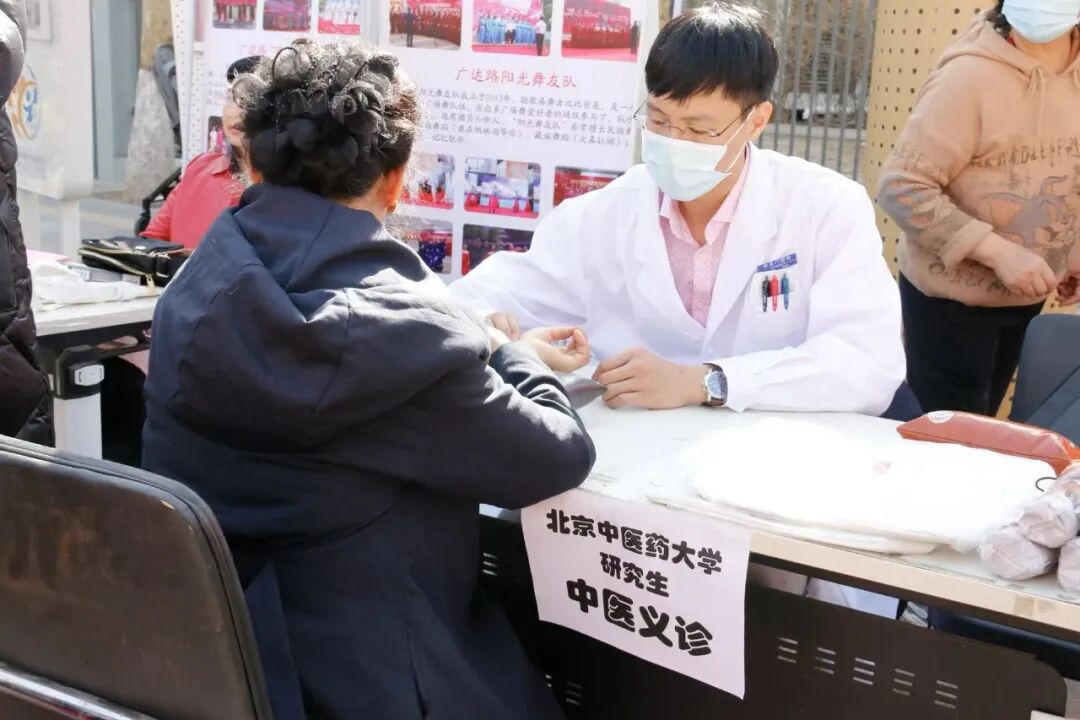
My core expertise lies in integrating traditional TCM modalities—such as manual therapy, acupuncture, and herbal medicine—with modern sports medicine to provide a comprehensive “assessment-treatment-rehabilitation” care model.
Patients typically consult me at UP for the following issues:
Firstly, the management of musculoskeletal and chronic conditions. These include common ailments among office workers—such as cervical spondylosis, neck-shoulder syndrome, lumbar disc herniation, and sciatica—as well as conditions frequently seen in older adults, such as adhesive capsulitis (frozen shoulder) and knee osteoarthritis. I utilize acupuncture and manual joint-adjustment techniques to rapidly relieve local muscle tension and realign joint structures, thereby addressing the root cause and helping to slow the progression of joint degeneration.
Secondly, the treatment of acute and chronic sports injuries. As an avid sports enthusiast myself, I am intimately familiar with conditions ranging from acute lumbar strains and ankle sprains to recurrent issues like rotator cuff injuries, tennis elbow, golfer’s elbow, patellar tendinitis, meniscal injuries, and Achilles tendinitis. During the acute phase, I employ precise acupuncture to reduce swelling and alleviate pain; in the recovery phase, I combine manual therapy to release tissue adhesions with targeted functional rehabilitation guidance, ensuring patients can safely return to their athletic activities.
I would also like to highlight the importance of internal medical conditioning and physical well-being. My master’s studies focused on Traditional Chinese Medicine (TCM) internal medicine—specifically endocrinology—making weight management and the treatment of diabetes areas of particular expertise for me. In the field of rehabilitation medicine, chronic musculoskeletal pain (such as joint degeneration or chronic tendonitis) is often linked to obesity, impaired glucose metabolism, or a constitution prone to chronic inflammation. Although UP specializes primarily in orthopedic rehabilitation, I leverage my background in internal medicine to address the metabolic and endocrine root causes of these issues. This “dual approach”—treating both internal physiological factors and external physical conditions—leads to more sustainable rehabilitation outcomes. Additionally, I specialize in TCM cosmetic acupuncture; by using fine needles to improve facial blood and Qi circulation, I help patients restore their health while maintaining a confident, radiant appearance.
Q
Do you have any particular patient stories you’d like to share?
Actually, my own story; I am both a prime beneficiary and a living testament to the effectiveness of an integrated treatment approach combining manual therapy, acupuncture, and functional rehabilitation.
I am an avid sports enthusiast, yet I once suffered a severe sports injury—a torn anterior cruciate ligament (ACL) that required reconstructive surgery. For anyone who loves sports, the post-operative recovery period is incredibly long; it is a journey often fraught with mental anguish and uncertainty.
During this process, I encountered the same bottlenecks that all patients face: persistent and recurring knee swelling, muscle atrophy, restricted range of motion (stiffness preventing full flexion and extension), and chronic localized inflammation following rehabilitation exercises. To overcome these challenges, I leveraged my professional expertise to closely integrate orthopedic surgical care, Traditional Chinese Medicine (TCM) acupuncture, physical therapy, and sports rehabilitation.
In the early post-operative stages, I utilized a regimen of scientific cryotherapy and thermotherapy alongside acupuncture to manage pain and swelling and to relieve excessive tension in the surrounding muscles and joints. Once these initial obstacles were cleared, I immediately transitioned to professional physical therapy and functional rehabilitation training. Acupuncture helped optimize my physical condition, while professional rehabilitation training solidified my joint stability and strength.
It has been over four months since the surgery; although I still experience occasional discomfort, my clinical recovery is progressing exceptionally well. While I know I am still in the intermediate phase and have a long road of rehabilitation ahead, this firsthand experience of transitioning from patient back to medical professional has left a profound impact on me. Having navigated the same pitfalls and endured the same moments of pain as my patients, I fully understand the feeling of desperately wanting to return to the court while being forced to face a long, arduous wait. As I walk this path myself, I have witnessed firsthand the immense power of self-healing the body can unleash when orthopedics, Traditional Chinese Medicine, and rehabilitation are perfectly integrated.
问
Is there anything you’d like to include about your approach to helping others heal?
Having walked this path myself, I am deeply motivated to use my professional expertise to help patients avoid unnecessary detours in their recovery. My rehabilitation philosophy is simple: “people-centered, combining movement with stillness.”
Traditional Chinese Medicine (TCM) adheres to a classic therapeutic principle: “treat the symptoms in acute cases, and treat the root cause in chronic cases.” I want to use this to show that TCM is far from the stereotype of being a “slow-acting” medicine suitable only for chronic conditions. When dealing with acute sports injuries or severe post-operative swelling and pain, TCM acupuncture and manual therapies serve as highly efficient tools for “treating the symptoms.” They can rapidly reduce swelling, alleviate pain, and relieve joint spasms—demonstrating the irreplaceable efficiency of TCM during the acute phase.
Once the pain and functional limitations of the acute phase are brought under control, we shift our focus to “treating the root cause.” This stage requires the introduction of active functional rehabilitation training to rebuild joint stability, restore muscle strength, and correct faulty movement patterns. Acupuncture and manual therapies act as precise passive interventions (the “stillness” aspect) that pave the way for the body and create optimal conditions for healing; meanwhile, professional rehabilitation training serves as the active intervention (the “movement” aspect), consolidating therapeutic results and preventing re-injury.
At UP, I aim to offer patients an experience that goes beyond mere pain relief; I want to support them through the long and arduous rehabilitation journey. By utilizing scientific dynamic assessments and an integrated approach combining Traditional Chinese Medicine and Western medicine, I help patients safely restore their physical function and return to the sports and lifestyles they love.
“Treatment happens in the clinic, but recovery happens in daily life.”
本篇文章来源于微信公众号: 上海优复康复医学门诊部