
Chief Physical Therapist Carl on Working with Elites


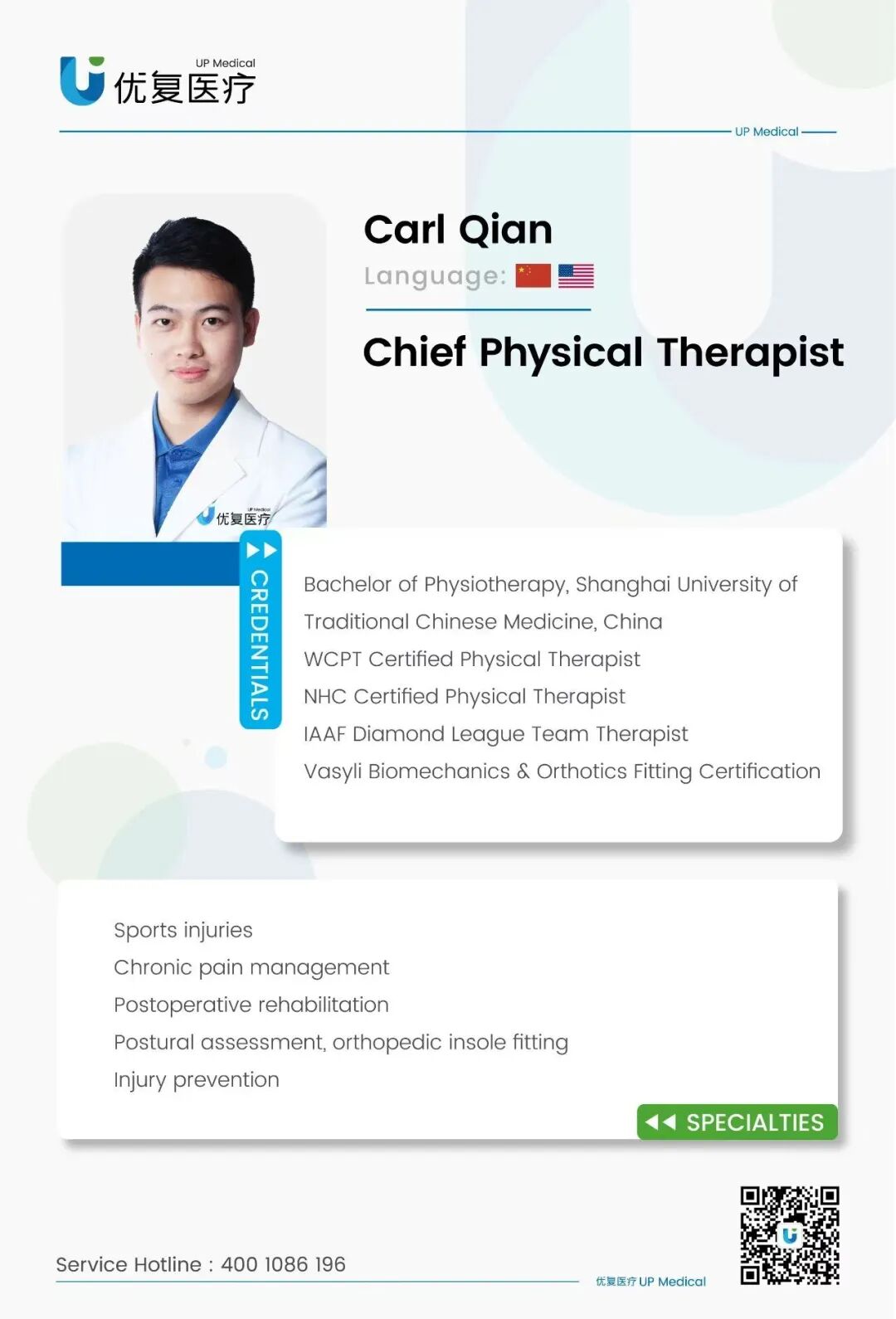
About Carl
Carl has been with UP since it opened in 2018. At the early stages of his career he spent one year studying and practicing in rehabilitation departments of top tertiary hospitals, such as Yueyang Hospital and Ruijin Hospital. There he built a solid clinical foundation covering post-orthopedic surgery rehabilitation and all kinds of musculoskeletal injuries. Now, eight years later he is UP’s Chief Physical Therapist.
As the clinic has grown, so has he, including the type of patients he’s worked with. Now, as a leading role model, he has seen every type of patient imaginable to include some prestigious players and celebrities. We talk to Carl to learn more about his experience and what it’s like to work with some of the biggest names UP Clinic has seen come through the doors.
Q1: You’ve had a variety of experience, from learning the ropes at the early stages of UP to now seeing some high-profile patients. Can you tell us more about how you continued your training to be where you’re at now?
I started learning in top tertiary hospitals, but rehabilitation models in public hospitals mainly focus on basic functional recovery. I was eager to access more cutting-edge rehabilitation systems tailored for sports enthusiasts and professional athletes. I learned that Cory, the medical director of UP, developed an authentic American sports rehabilitation system rooted in evidence-based medicine, which emphasizes root-cause injury assessment and phased functional reconstruction — something that differs greatly from the more traditional treatment philosophy of just “prolonged rest”.
This philosophy aligned with my career aspirations so I turned down a job at the public hospital to devote myself to studying and practicing at UP long-term. During my first two years here, I systematically advanced my professional knowledge while engaging in frontline clinical practice. I mastered assessment logic, physical therapy modalities and sport-specific functional training protocols of American-style rehabilitation.
Since then, I have relied on this system to take charge of full-cycle rehabilitation, to include post-fracture patients and CBA professional athletes with sports injuries. From the phased post-surgical rehabilitation for a well-known actress’s humeral shaft fracture, or helping basketball players recover from knee and ankle pain to return to the court, I can design safe and efficient recovery plans based on standardized yet personalized American rehabilitation frameworks.
This is the core reason why I stayed at UP all these years. I specialize in developing phased, personalized rehabilitation plans after traumatic surgery and professional athletes with knee and ankle strains. I can control each recovery cycle based on objective assessment data to avoid the risk of secondary injuries.
Future Plan: Besides my daily clinical work, I also have a new career plan ahead: I intend to go back to university to pursue a postgraduate degree while continuing my clinical practice, combining academic research with hands-on work. My main research focus will be AI-powered rehabilitation. The rehabilitation industry is undergoing an intelligent transformation at present. I intend to keep pace with industrial trends and further deepen my expertise in sports physical therapy. I will explore integrating AI technology into the whole clinical workflow, utilizing intelligent assessment, digital training systems and online follow-up tools to optimize the existing rehabilitation model. This will deliver more accurate evaluations, more efficient training and more convenient long-term management, and provide more comprehensive solutions for people’s athletic health with innovative technology.
Q2: You’ve worked with a variety of patients over the years, and more recently some more well-known personalities, such as a well-known actress. Could you tell us about her injury and your treatment plan for her?
Common Misconception: Many viewers saw this well-known actress moving her arm flexibly less than one month after surgery and assumed her fracture had fully healed, but the “flexibility” seen on camera has strict medical limits. The entire recovery plan was customized based on her specific fracture classification and bone healing rules.
Injury Diagnosis
First, let’s clarify her injury diagnosis: she suffered an isolated humeral shaft fracture, which is fundamentally different from proximal and distal humeral fractures.
Proximal humeral fractures damage the rotator cuff attachment points and carry risks of humeral head avascular necrosis; distal humeral fractures involve the medial and lateral humeral condyles and severely restrict elbow movement.
Her fracture only occurred in the middle shaft of the humerus without damaging the bony structures of the shoulder and elbow joints. We only needed to closely monitor two risks: swelling caused by soft tissue dissection during surgery, and temporary radial nerve irritation from the fracture trauma. This anatomical advantage laid the foundation for her early joint mobility training.
Three-Phase Rehabilitation Protocol
Based on the physiological laws of skin healing and primary/secondary bone healing, I designed a standardized three-phase physical therapy rehabilitation protocol for her, which is also applicable to all post-fracture patients:
Phase 1: Wound Recovery Phase (0–2 weeks post-operation)
Skin healing includes four stages: exudative, resorptive, proliferative and repair phases, and the epidermal wound basically closes within 3 to 7 days. In this phase, I applied TENS for pain relief, cryocompression to reduce swelling, and therapeutic ultrasound to ease local inflammatory edema. I guided her to move her fingers, wrists, elbows and shoulders within a pain-free range to boost blood circulation and reduce hematoma adhesion, with zero weight-bearing required at all times.
Caution: At this point, the fracture site was only in the inflammatory hematoma stage, and premature force or weight-bearing would directly damage newly formed fibrous callus.
Phase 2: Zero-gravity & Non-weight Bearing Mobility Phase (2–4 weeks post-operation)
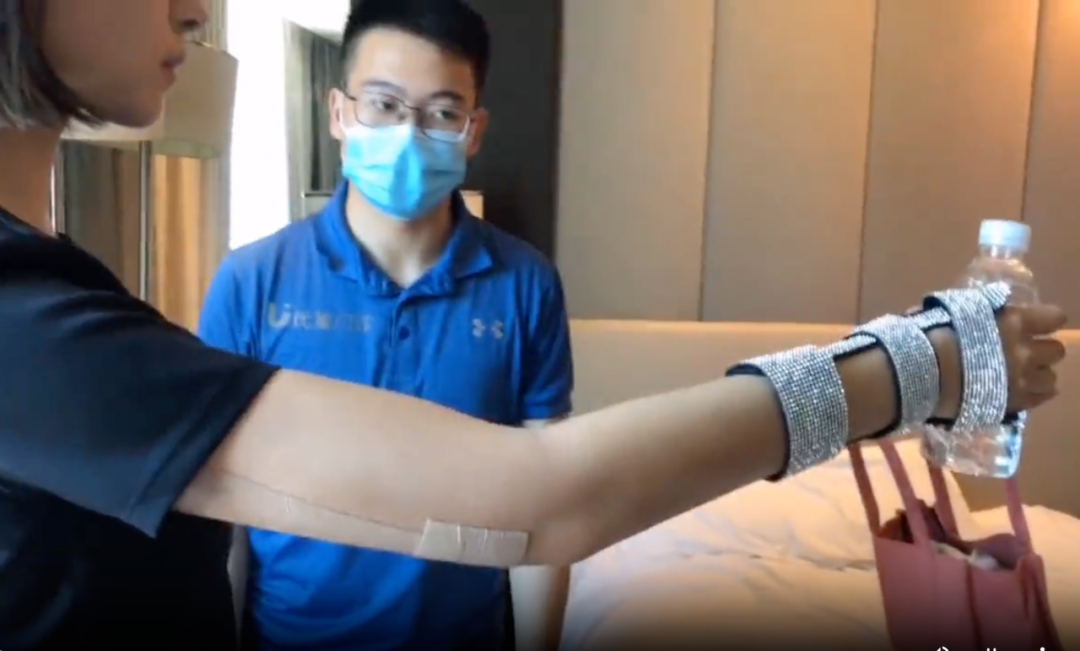
Two to three weeks after surgery, fibrocartilaginous soft callus formed at the fracture site. With surgical plate internal fixation, the fracture gap was controlled within 1mm, meeting the criteria for primary bone healing, and the basic stability of the bone allowed gentle joint movement. Training started with passive joint mobilization, then shifted to assisted active movement once pain was fully relieved, gradually restoring full range of motion for shoulder, elbow and forearm rotation. We repeatedly practiced daily movements such as gripping a cup, bending the elbow to drink water, and forearm pronation and supination to rebuild fine motor control, fundamentally avoiding two common post-fracture sequelae: joint stiffness and severe muscle atrophy.
Key Clarification: Smooth limb movement visually does not mean the bone can bear weight or tension. This phase had strict restrictions: no heavy lifting, forceful limb exertion, or high-load work such as wire stunts for filming. Only joint mobility was restored, and hard load-bearing bony callus had not yet developed.
Phase 3: Progressive Weight-bearing Training Phase (4 weeks post-operation onwards)
X-ray examination was mandatory at the 4-week mark to assess bony hard callus growth and decide whether to start weight-bearing training. Her scan showed satisfactory callus development, so I gradually introduced low-load resistance training combined with shockwave therapy to accelerate bone remodeling. For other patients with insufficient callus formation, I would reduce training intensity and rely on isometric contraction to maintain muscle volume and prevent worsening atrophy. I also advised her to take in high-quality protein, avoid alcohol and tobacco, and maintain a regular schedule to support bone maturation and remodeling.
Scientific Basis: Per American rehabilitation standards, full recovery for high-intensity action shooting takes roughly 12 weeks, corresponding to the old saying “100 days for broken bones”. This saying actually refers to the full bone remodeling cycle, not the timeline for early joint mobility.
Core Philosophy: Rehabilitation does not need to wait until bones are fully healed to start. Long-term immobilization after a fracture leads to joint stiffness and muscle atrophy within just ten days, which may even cause permanent functional impairment. Simple daily movements like lifting a cup integrate grip strength, elbow flexion, forearm rotation and proprioceptive balance. Prolonged rest will gradually diminish these abilities, which is why modern orthopedic physical therapy advocates early “phased mobility” intervention.
Q3: You also mentioned it was a memorable experience to work with her — how so?
Over eight years of clinical work, this well-known actress’s rehabilitation journey has left a deep impression on me. She often came back to Shanghai after location shootings and kept regular physical therapy appointments during her filming stay in the city. We customized a dedicated protective brace for her recovery. When she prepared for a stage performance later, she hand-covered the brace with shiny rhinestones, transforming this functional gear into a unique stage accessory, which I still remember vividly.
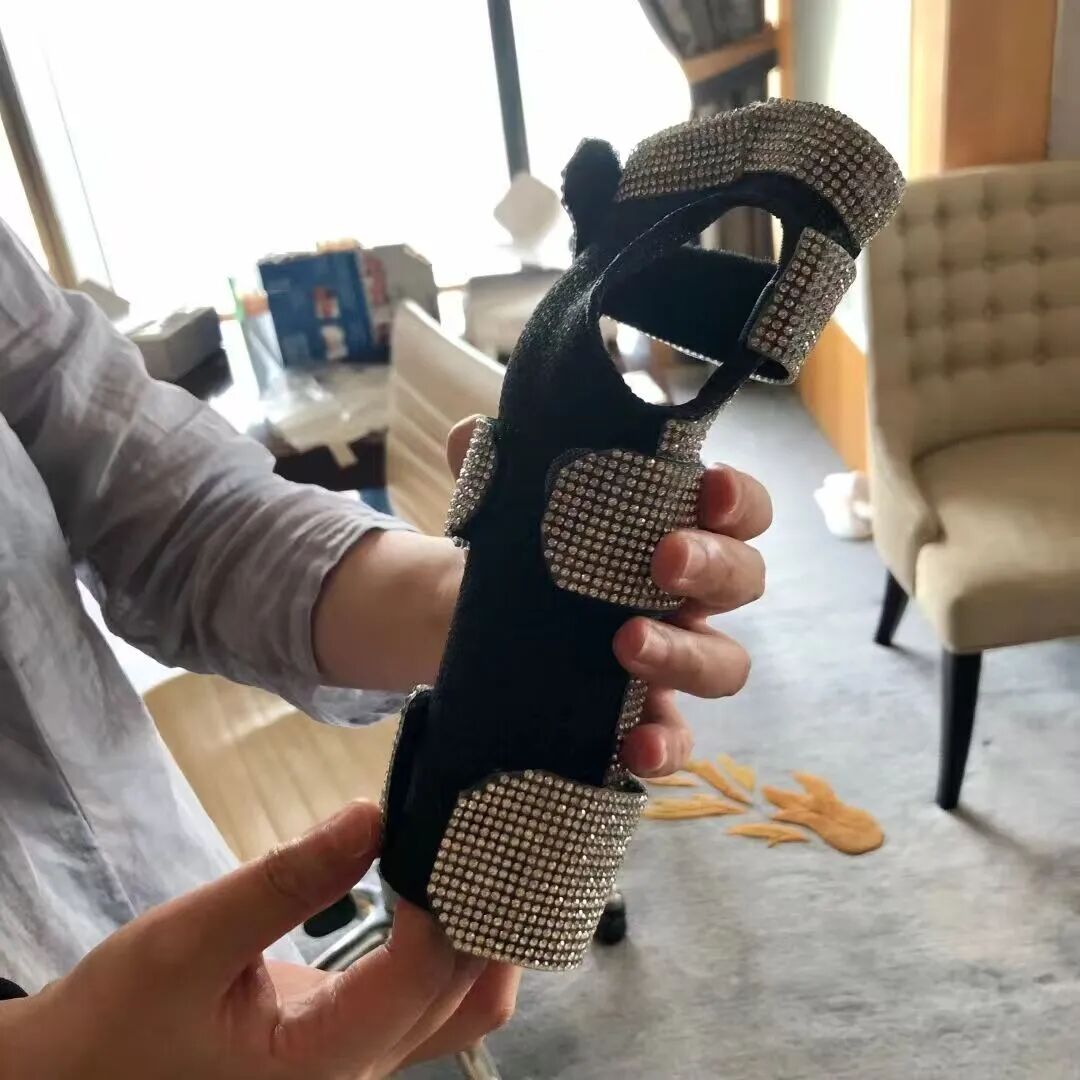
She was extremely curious about professional knowledge of physical therapy and bone healing. Between treatments, she would ask detailed questions about callus formation, the distinction between primary and secondary bone healing, and how each training movement avoids post-surgical arm stiffness. Those usually therapy sessions turned into pleasant professional discussions.
It brought me a strong sense of accomplishment to help her fully recover limb function and return to work and the stage with standardized rehabilitation protocols.
Q4: You’ve also worked with a handful of CBA players — mostly for ankle or knee pain. How do you work with a player to be able to get them back on the court?
The full rehabilitation logic I use to help CBA players return to the court follows the same American “phased mobility” physical therapy framework I applied to this well-known actress’s post-operative humeral shaft fracture recovery. The whole process is divided into four progressive stages, and all judgments rely on objective functional assessments rather than subjective pain perception.
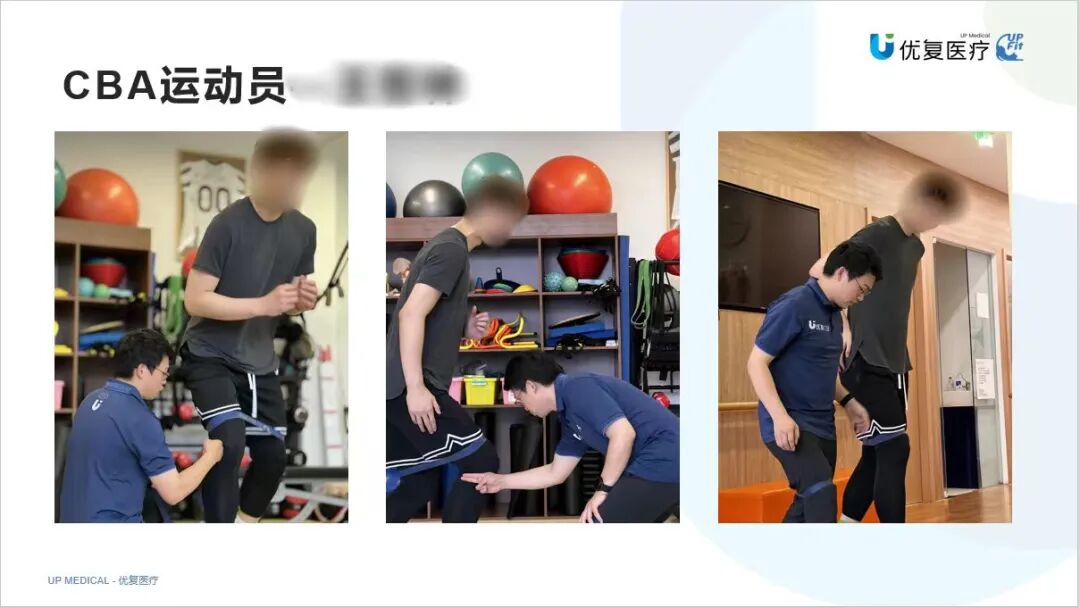
Four-Stage Return-to-Court Protocol
Stage 1: Inflammation and Pain Control
I prioritize joint mobilization and various physical modalities to eliminate swelling and sharp pain in knees and ankles, while suspending all high-intensity court movements including jumping, cutting and explosive sprints. The core goal of this stage is to stop persistent irritation to soft tissues and prevent mild strain from developing into chronic injury, which aligns with the pain and swelling management goals in the actress’s first post-op rehabilitation phase.
Stage 2: Basic Range of Motion and Stabilizer Muscle Activation
Recurring knee and ankle injuries among most players stem from strength imbalance and weakness in glutes, quadriceps and calf stabilizers. I focus on single-limb balance training and isometric contractions of peri-articular muscles to preserve muscle mass and avoid atrophy caused by long-term break from training, which mirrors the mobility maintenance principle for the actress during her non-weightbearing phase.
Stage 3: Basketball-Specific Functional Reconstruction Training
We restore court movements step by step, starting with slow lateral shuffles and gentle stationary jumps, then advancing to match actions such as sudden stops, direction changes and controlled landing. Training intensity is adjusted strictly based on the player’s pain feedback. We also correct faulty movement patterns to reduce impact on articular cartilage and ligaments, preventing secondary injuries during rehabilitation.
Stage 4: Full On-Court Simulation Assessment
Players can only rejoin team training and official games when all of the following criteria are met:
• Bilateral lower limb strength is symmetrical
• No pain occurs throughout full-contact drills
• Balance and proprioception reach standard levels
This standardized evaluation rule is consistent with the requirement that the actress needed a qualified X-ray showing sufficient callus at week 4 before starting weight-bearing training. All decisions are based on objective physical recovery indicators, rather than simply resuming high-intensity activity once pain fades.
Q5: Are there any preventative injuries the CBA players could incorporate to help them avoid some of these injuries?
Drawing on my years of clinical experience working with professional athletes and the injury prevention framework of American physical therapy, I promote a standardized protection routine for all CBA players covering pre-training, in-training, post-game and off-season periods. Its core logic is to fix muscle imbalances in advance to lower injury risks fundamentally, instead of only providing treatment after injuries occur.
Five Key Prevention Measures
1. Differentiate Warm-up Modes — Avoid Static Stretching Before Training
Many players tend to do prolonged static stretches pre-workout, which weakens the instantaneous output of joint stabilizers. I require all athletes to complete dynamic warm-ups only before training, including leg swings, lateral lunges, ankle mobility drills and small continuous bounds to fully activate stabilizers around knees and ankles. Static stretching is only arranged after training or matches for fascia release.
2. Targeted Training for Weak Muscle Groups 3–4 Times Per Week
Most players with recurring ankle sprains and medial knee pain suffer from insufficient gluteus medius and unilateral limb strength. I assign low-intensity basic drills such as resistance band hip abduction, single-leg balance stands and wall sits to correct strength asymmetry and eliminate dangerous movement patterns like knee valgus and unstable ankle during landing.
3. Standardized Landing Technique Correction
Frequent jumps and rebounds impose massive impact on knees and ankles. I repeatedly train players to land with both feet simultaneously and keep knees aligned with toes instead of collapsing inward, which significantly reduces instantaneous pressure on ligaments and cartilage.
4. Progressive Load Increase During Off-seasons
Long breaks from competitive sports in the off-season followed by sudden heavy training loads at the start of a new season are the top cause of acute overuse injuries. I design stepped training schedules for players to gradually raise running and jumping volume, preventing pain triggered by poor physical adaptation.
5. Daily Long-term Maintenance Habits
Athletes need to foam roll calf, quadriceps and hamstring fascia every day. Those with past ankle or knee injuries should wear stabilizing braces during high-intensity contact training. Sufficient sleep and protein intake are also essential to sustain muscle elasticity.
Q6: What type of follow-up do you do with these players — or any patient for that matter — to make sure they’re still feeling strong on the court, or post treatment?
Specific to the players, I build a long-term hierarchical follow-up system covering the entire season for players. All adjustments to rehabilitation and training plans are based on objective functional assessment data, so I can continuously monitor the stability and muscle strength of knees and ankles to prevent recurrent injuries.
Five-Layer Follow-up System
Weekly On-site Check-ups
After regular team training, players come to the clinic for quick screenings of muscle strength, joint range of motion and balance. If decreased unilateral limb strength or limited joint mobility is detected, I will carry out soft tissue release and targeted activation training on the spot to eliminate potential strain in a timely manner.
Remote Follow-up for Away Games
When players travel for away matches and cannot come for in-person assessments, I ask them to record movement videos and describe physical discomfort. I adjust their home rehabilitation training plans via online communication to ensure consistent recovery progress.
Monthly Comprehensive Functional Evaluations
A full lower-limb symmetry test is conducted every four weeks, with data compared against their baseline recovery metrics. If obvious strength loss is found on the injured side, supplementary training will be added immediately to stop minor issues from turning into chronic injuries.
Immediate Physical Therapy After Matches
After high-intensity competitive games, targeted soft tissue release therapy is arranged to relieve congestion and stiffness in lower limbs, preventing post-game soreness from developing into persistent pain.
Full Musculoskeletal Screening in the Off-season
At the end of each season, a full-body musculoskeletal assessment is performed to identify hidden overuse injuries accumulated throughout the season. Based on the screening results, I formulate a 2–3 month off-season strength maintenance and strength training plan to get their bodies ready for the next competitive season.
Room for Improvement: There is still room for improvement in this follow-up framework. The internal cooperation between myself and the team can always be improved. Even establishing something like more regular and efficient communication channels in the future can be beneficial, such as information synchronization among rehabilitation, team training and event management, so as to better protect players’ long-term athletic health.
Q7: Is there anything unique for you about working with a high profile person — such as an actress or pro player?
Working with high-profile clients differs from working with a standard patient plan of care mainly in two aspects: their extremely tight and unchangeable schedules, and the fact that their physical condition is the core foundation of their careers.
Two Key Differences
1. Extremely Tight and Unchangeable Schedules
Entertainers typically have back-to-back filming schedules all year round, while athletes follow fixed training and competition calendars, leaving no room for schedule changes. I have to adjust each treatment session to create highly efficient phased physical therapy programs. Meanwhile, I design simple home exercise routines for them to practice on set, in team dormitories or hotels, so their rehabilitation progress will not be interrupted.
2. Extremely Efficient Physical Function Recovery Required
Performers need flexible limbs for action scenes, and athletes rely on stable lower limbs for on-court competition. Long breaks from work or training are unacceptable. Therefore, my treatment plans must balance fast pain relief and safe tissue repair, while avoiding secondary injuries caused by hasty short-term recovery.
Advantage & Challenge: On the positive side, celebrities and pro athletes usually show great treatment compliance. They strictly follow the home training arrangements and activity restrictions I set, leading to much faster rehabilitation progress than average patients. Nevertheless, continuous health education is essential. Once their pain fades slightly, they tend to resume high-intensity work prematurely. I need to show them objective assessment data to clearly explain their actual recovery status, striking a balance between their career demands and rehabilitation safety.
Q8: What’s one of the biggest challenges you face working with them, or any client for that matter?
Among all clients I treat, ranging from celebrities and CBA athletes to a regular patient, the biggest universal challenge is that they are eager to resume high-intensity activities prematurely as soon as their pain eases.
High-profile Clients
This issue is especially prominent for high-profile clients. Athletes want to get back to competitive training as soon as possible, while entertainers hope to restart action filming quickly. Once they feel no pain, they ignore the objective truth that soft tissues and bones have not fully recovered. For fractures or joint injuries, newly regenerated healing tissue lacks sufficient tensile strength. Early weight-bearing, forceful movements or large-range motions will easily trigger recurrent chronic injuries that double the total treatment duration.
During communication, I have to present objective data such as X-ray scans and limb strength symmetry test results to visually demonstrate their real recovery status. I will set progressive activity milestones to balance their career and training demands while guaranteeing rehabilitation safety.
Regular Patients
Core Challenge: For a regular patient, the other main problem is poor compliance. Many stop voluntary home rehabilitation once the pain disappears, which gradually leads to joint stiffness and muscle atrophy, resulting in irreversible sequelae. Guiding clients to stick to the full rehabilitation process long-term remains a constant challenge I keep addressing in my work.
If you would like to book an appointment with Carl or at UP,
simply make an appointment by connecting with our front desk.
Move well, move often!
本篇文章来源于微信公众号: 上海优复康复医学门诊部