
Q&A: Evan Yang (Physical Therapist)


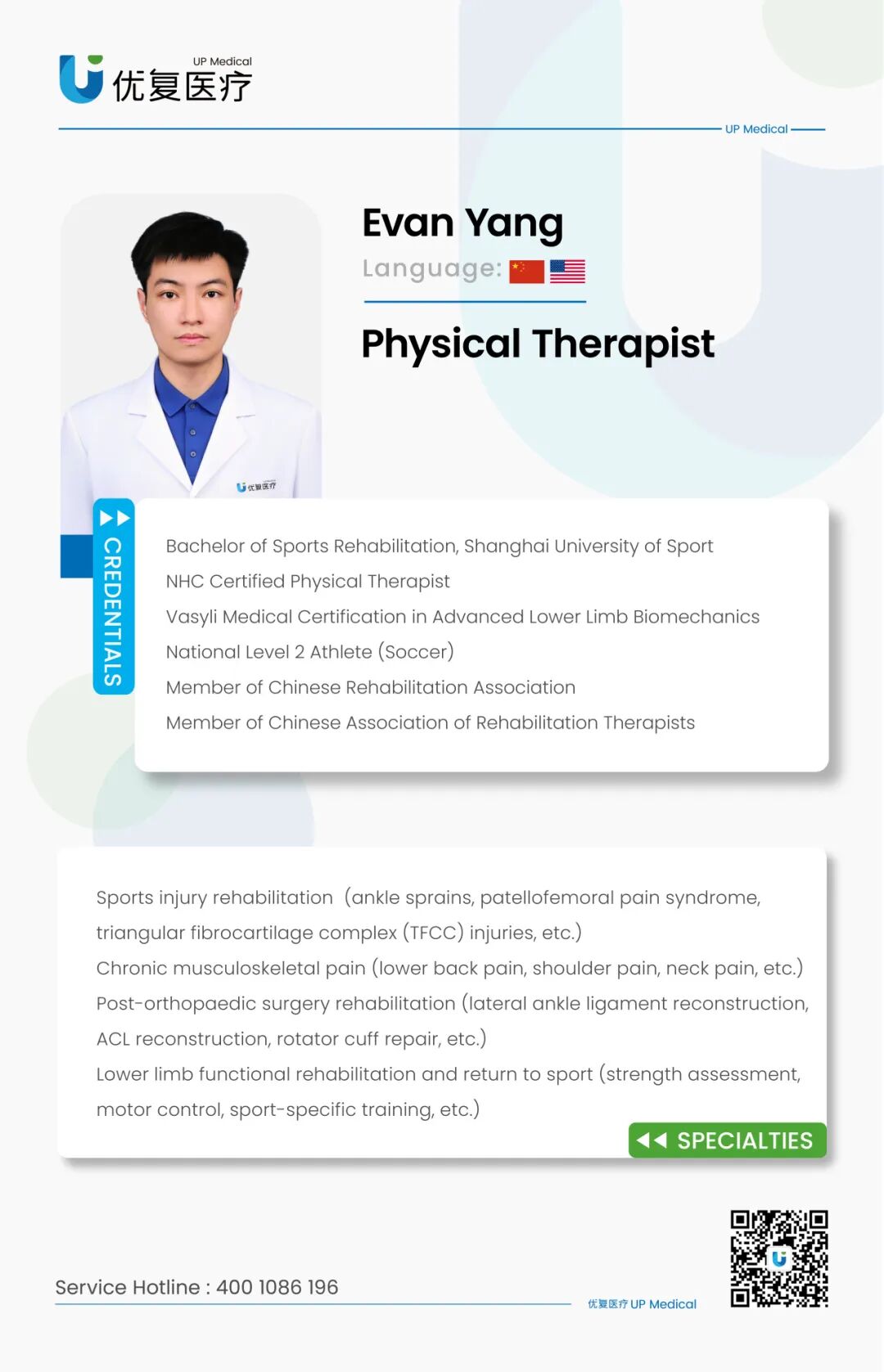
Evan, originally from Chongqing, and later Tianjin, is a recent addition to the Shanghai UP team. While new to our team, he has been in Shanghai for many years pursuing his education and career.
Read on to learn more about Evan and the support he will be bringing to our community and clinics:
Q1: What made you decide to work at UP?
What attracted me most to UP is how closely the clinical focus and treatment philosophy align with the training and hands-on experience I was doing prior to joining.
As an undergraduate, my training centered on sports rehabilitation, restoring function, and physical therapy. While at Huashan Hospital, I also worked with many sports medicine patients who were treated for either post-operative rehabilitation or non-surgical care. That experience made me want to continue in this field after graduation and put what I had learned into real clinical practice.
At UP, I can work in musculoskeletal rehabilitation, which I genuinely enjoy, while continuing to build more clinical experience. I also really value the team culture at UP: therapists openly exchange assessment ideas, treatment approaches, and experiences so that we can keep learning from one another. For me, UP is more than just a workplace; it is a place where I can keep learning, putting ideas into practice, and expanding my professional skills.
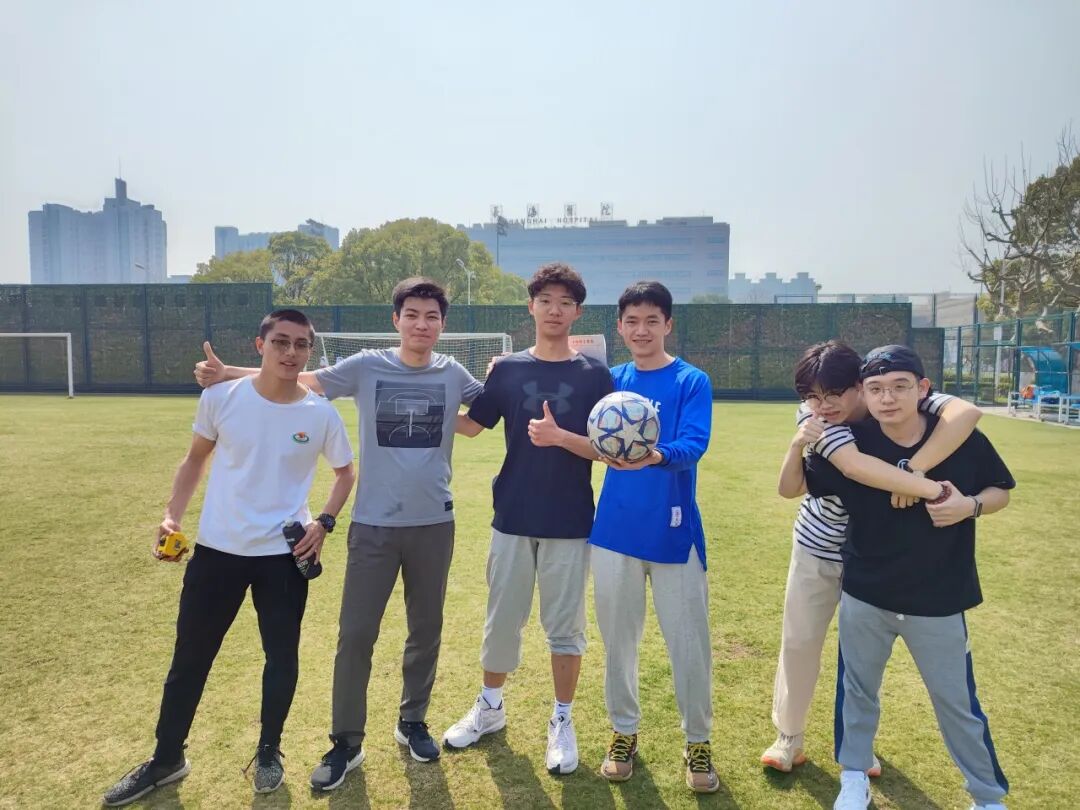
The crew around the pitch
Q2: How did you first decide to become a physical therapist?
I never originally planned to become a physical therapist. When I was choosing my university program, I was initially more interested in sports performance analysis and entered a broader subject group that also included sports rehabilitation. But as I began studying anatomy, kinesiology, sports injuries, and related subjects- and also went through my own injury and rehabilitation – I became increasingly drawn to the field, eventually choosing sports rehabilitation as my major.
Once I began the program, I was exposed to so much more education and experiences. Friends and classmates would often come to me with questions when they had sports injuries. Whenever I could, I would use what I had learned to help them better understand what was going on or offer useful rehabilitation advice, I found it very rewarding. That was when I gradually became certain that I wanted to become a physical therapist and use my skills to help more people with musculoskeletal problems and movement-related limitations.
Q3: Could you tell us more about your areas of focus when it comes to treating patients?
My main interests are common musculoskeletal and sports injuries involving the shoulder, knee, and ankle, including ligament, tendon, and cartilage-related problems. I have a particular interest in ankle injuries and rehabilitation.
In clinical practice, lateral ankle ligament injuries are the condition I have worked with most often. I have gained hands-on experience with both conservative management and post-operative rehabilitation, which has given me a clearer understanding of what matters at different stages and along different treatment pathways. Having gone through a lateral ankle ligament injury myself and successfully returned to sport also helps me relate to the anxiety, setbacks, and uncertainty patients can experience during rehabilitation; it reinforces the importance of restoring the right abilities at each stage.
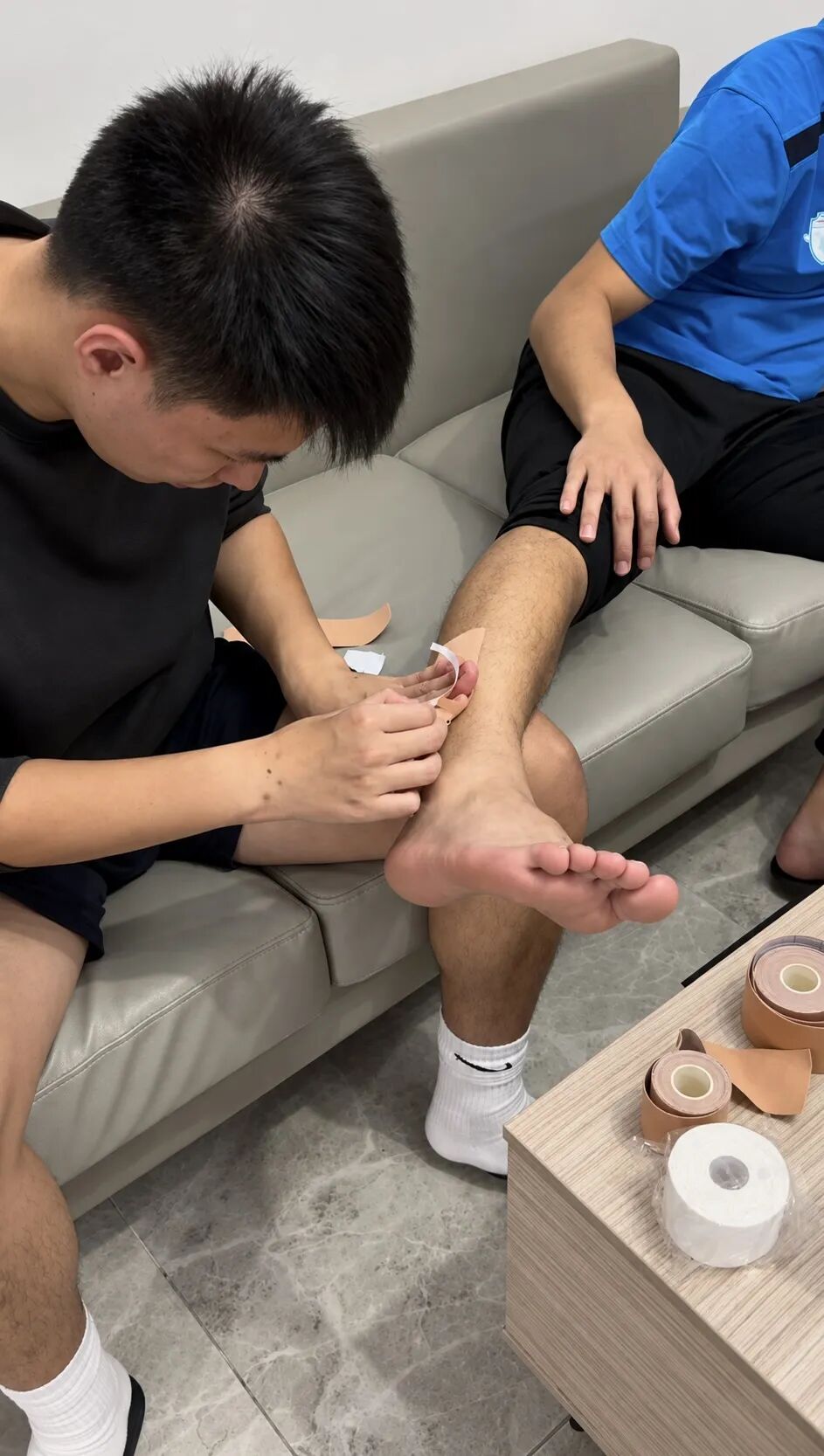
A team medic’s routine: taping a teammate’s ankle before kickoff
For me, the end goal of rehabilitation is not simply to reduce symptoms, but to restore the function a person needs so they can return safely and confidently to the life and sport that matter to them.
For me, the end goal of rehabilitation is not simply to reduce symptoms, but to restore the function a person needs so they can return safely and confidently to the life and sport that matter to them.
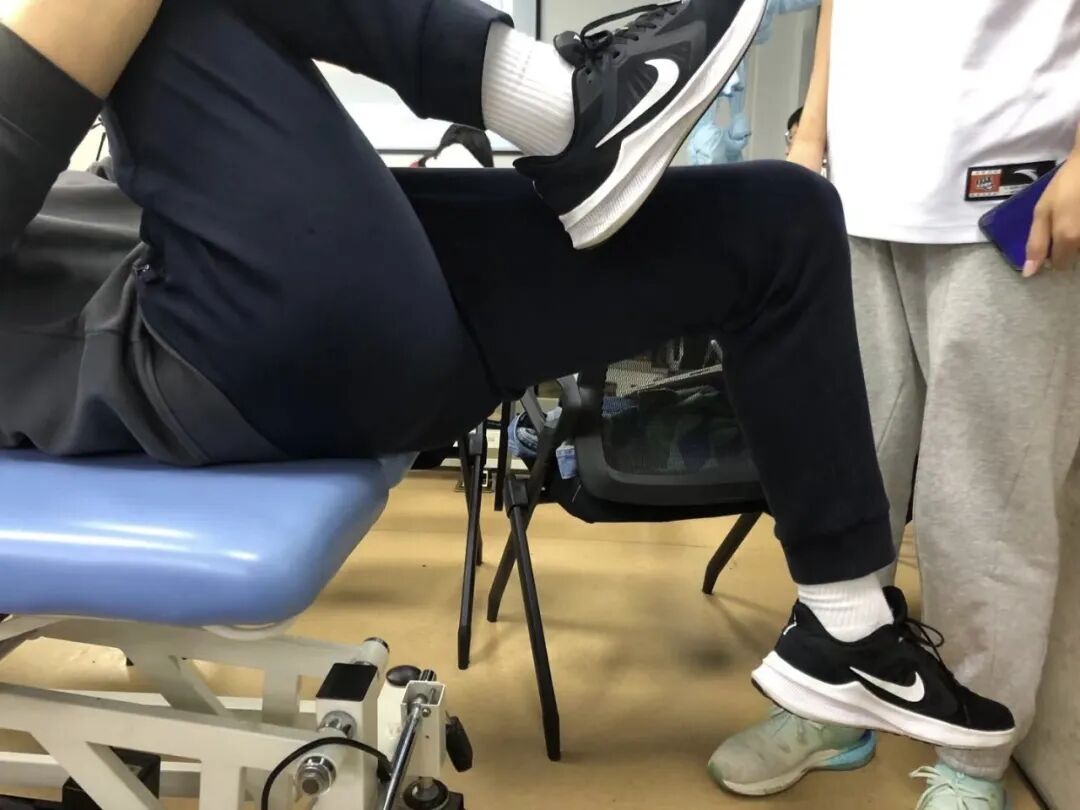
Assessment on the treatment table: from range of motion to strength
Q4: Well said! Are there any particular sports you enjoy or have influenced your work?
I enjoy playing sports, but football has always been my favorite. Throughout my school years, I was involved in football in almost every way I could be: as a player on the pitch, as a coach and team medic, and even doing commentary and photography. If it is related to football, I am usually interested.
Football has also given me firsthand experience of some significant sports injuries. The two that affected me most were a triangular fibrocartilage complex (TFCC) injury and a lateral ankle ligament injury, both of which eventually required surgery. Looking back, those experiences made me appreciate how much the early stage after an injury can influence the course of recovery.
Those two experiences are a big reason why I place so much emphasis on early assessment, early intervention, and structured rehabilitation after a sports injury. They also help me understand what patients are hoping for after an injury: it’s not just about recovery, but a return to everyday life and, for many, a return to sport. Utilizing physical therapy can support the patient by restoring mobility, strength, stability, and function while reducing the risk of the problem becoming chronic or ultimately requiring surgery.
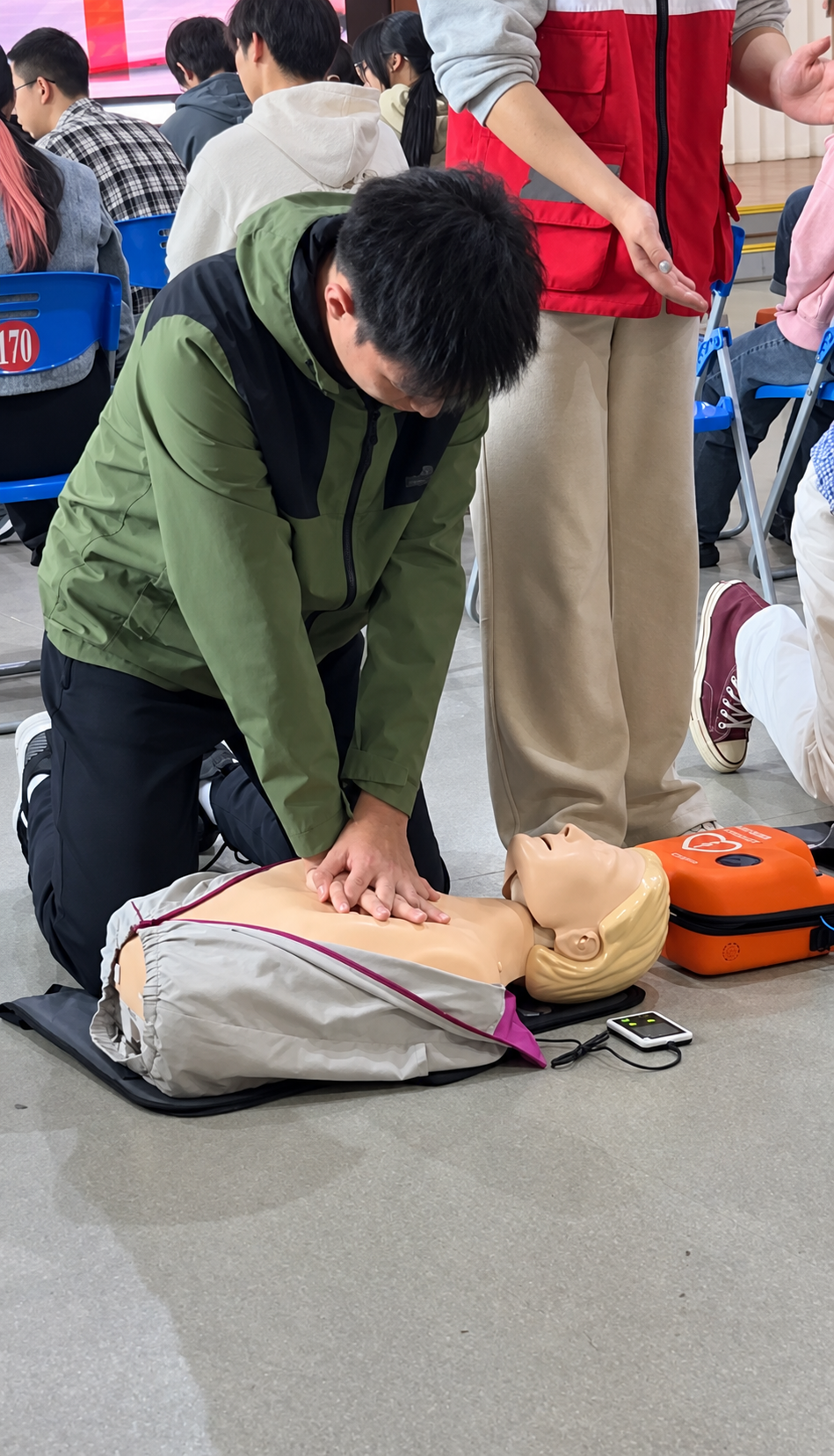
First-aid training: another required course for a team medic
There’s definitely a strong correlation with physical therapists having undergone an experience, such as yours, that then allows them to better support their patients’ journeys. Do you have any experiences from working with others that you would like to share?
One experience I would like to share is treating my father. Years ago, he had fairly severe symptoms associated with a lumbar disc herniation and at one point found it difficult to get out of bed. The acute symptoms eventually settled, but he continued to have recurring discomfort around the lumbosacral and sacroiliac region after prolonged walking or sitting.
The first time I went home after graduating, I gave him a fairly comprehensive assessment. After ruling out any neurological involvement, I identified a functional leg-length discrepancy, together with noticeable side-to-side differences in pelvic and lower-limb function and strength. I first used manual therapy to address his pelvic position and related mobility, then prescribed several targeted exercises based on the differences in strength and motor control between the two sides.
The next day, he was very happy to tell me that he felt more confident putting force through his right leg than before. More importantly, he kept doing the exercises I had taught him, and over time the same lumbosacral discomfort did not return.
Of course, this was just my father’s individual experience. It does not represent everyone with lumbosacral symptoms, and the same approach will not be appropriate for every patient. But it meant a great deal to me because it was the first time I had truly been able to use what I had learned professionally to help someone so close to me. That experience still reminds me that with every patient, I need to assess carefully, think critically, and do my best to find an approach that genuinely fits the individual.
Q5: What do you see as one of the biggest challenges with patients?
One of the biggest challenges I see for patients today is information overload. This is probably true in many fields, but in physical therapy, too much information can make it harder for people to judge what their symptoms or recovery really mean. It is now very easy to find huge amounts of content about pain, injuries, and rehabilitation online through short videos, social media, and even AI, but the advice can be conflicting or wrong. It is easy to assume that someone else’s experience applies directly to you.
Two people can both have knee pain, shoulder pain, or an ankle sprain and still be at completely different stages, with different functional abilities, lifestyles, and sporting demands. I see one important role of a physical therapist as helping patients make sense of all that information through a thorough, systematic assessment: identifying what is actually contributing to their pain and functional limitations, then building a treatment and exercise plan around their individual needs. I do not think patients should leave with only a label for what is “injured.” They should understand why they are having symptoms, what they need to do next, and how they can progress step by step toward the life and activities they want to get back to.
Q6: That’s so true! There is so much superfluous information out there! To wrap up, is there anything you would like to add about being a physical therapist and your approach to helping others heal?
Physical therapy is not simply about taking pain from “very painful” to “not painful.” Pain matters, of course, but it is only one measure of recovery. What matters most to me is function and whether a patient can confidently get back to doing the things they want to do.
That goal can look completely different from one person to another. One patient may simply want to go up and down stairs without worrying about their knee; another may want to get back to the gym or running; someone else may care more about returning to the football pitch. During treatment, I want to use the assessment to understand what is truly limiting the patient now, where they ultimately want to get back to, and then break that goal down together into manageable stages.
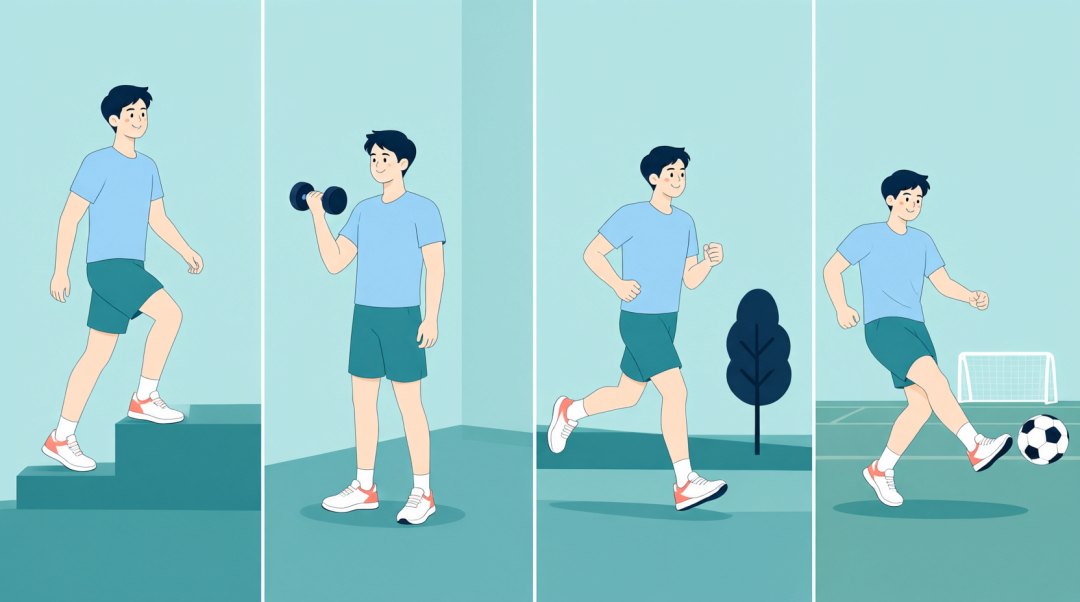
Rehab goals vary from person to person: stairs, gym, running, back to the pitch
I do not see my role as just “fixing the problem” for a patient. I also want them to gradually understand their own body, know why they are doing each exercise, recognize whether they are improving, and ultimately feel capable of managing their body independently. To me, that is one of the most valuable parts of physical therapy.
Move well, move often!