
Q&A: Yijia (Physical Therapist)


Yijia is originally from Shanghai and studied physical Therapy at Shanghai Tongji University. She also received her masters degree in the US in biomedical engineering and loves learning, especially learning through reading.
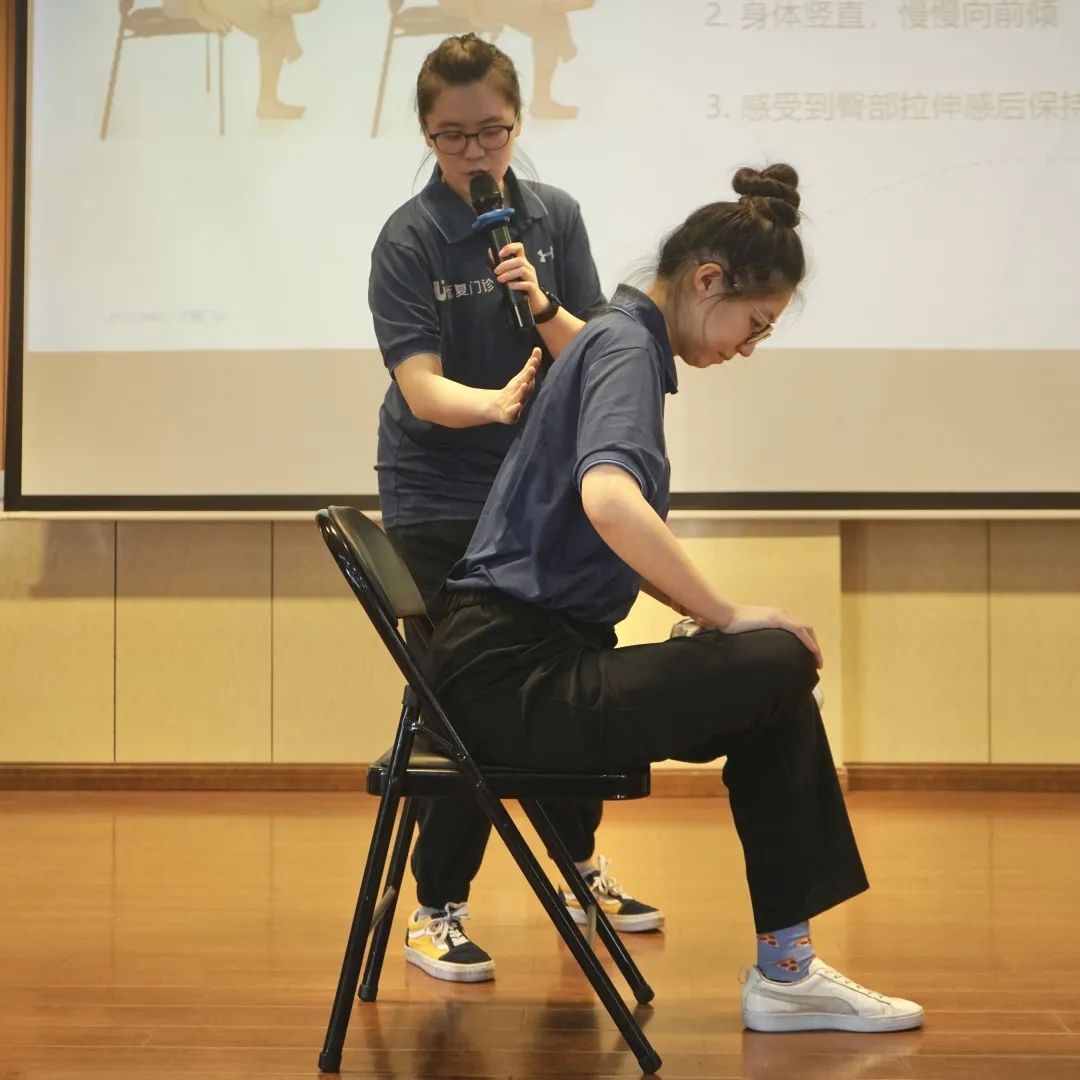
“I love reading. All kinds of books just to expand my view of the world. I’m the person that it’s easier to get anxious, but reading could always bring me a calmer mind.”
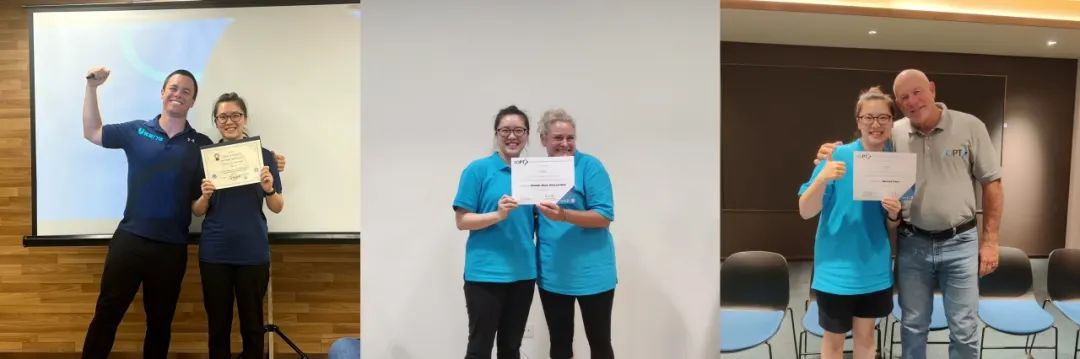
She joined UP three years ago, and has continued to fuel her passion for learning within the company. Read on to learn why Yijia decided to join UP and how she has grown – and helped others – ever since.

01
Q:What made you decide to work at UP?
The first time that I got to know UP, I realized how different it was from the public hospital system. The vibe and diversity here is so valuable; it’s hard to find that in other hospitals or clinics. And here we have a lot of amazing mentors; experienced therapists and doctors which offers us opportunities for continued education to improve our professionalism.
02
Q:Your passion for learning really shines through. How did you first decide to become a physical therapist?
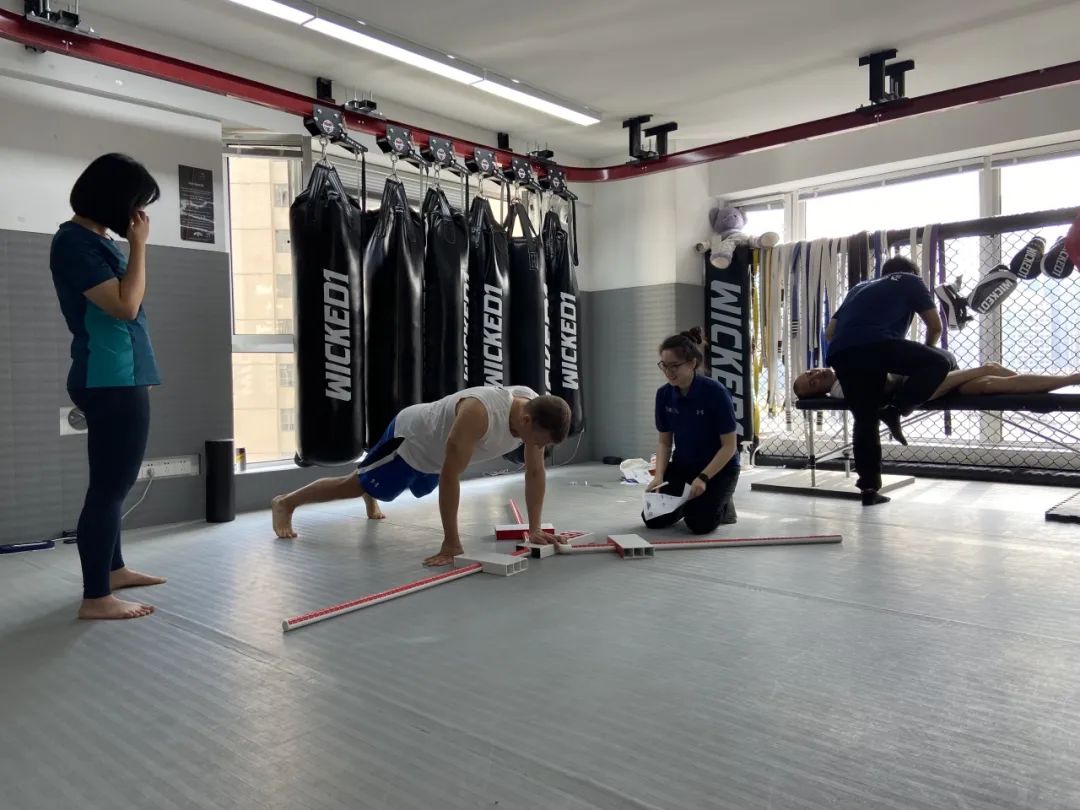
I always wanted to learn medicine when I was a kid. This is why I choose to pursue a physical therapy program. The more I learn, the more passion I have for this job. You can utilize it almost everywhere in our daily life, which also allows me to be a great observer of people’s movement. Another beautiful part of working as a physical therapist is that we get the chance to spend more time with patients compared to other medical professionals.
03
Q:It sounds like your biggest motivator is to help people. What do you see as one of the biggest challenges with patients?
There’re a lot of ideas of what we should do after injury: start safe and progressive with rehab, which is important, but it’s also important to not be too shy with rehab as well. I think the biggest challenges however, are with patients and the barriers that have been set by other ‘hospital standards’.
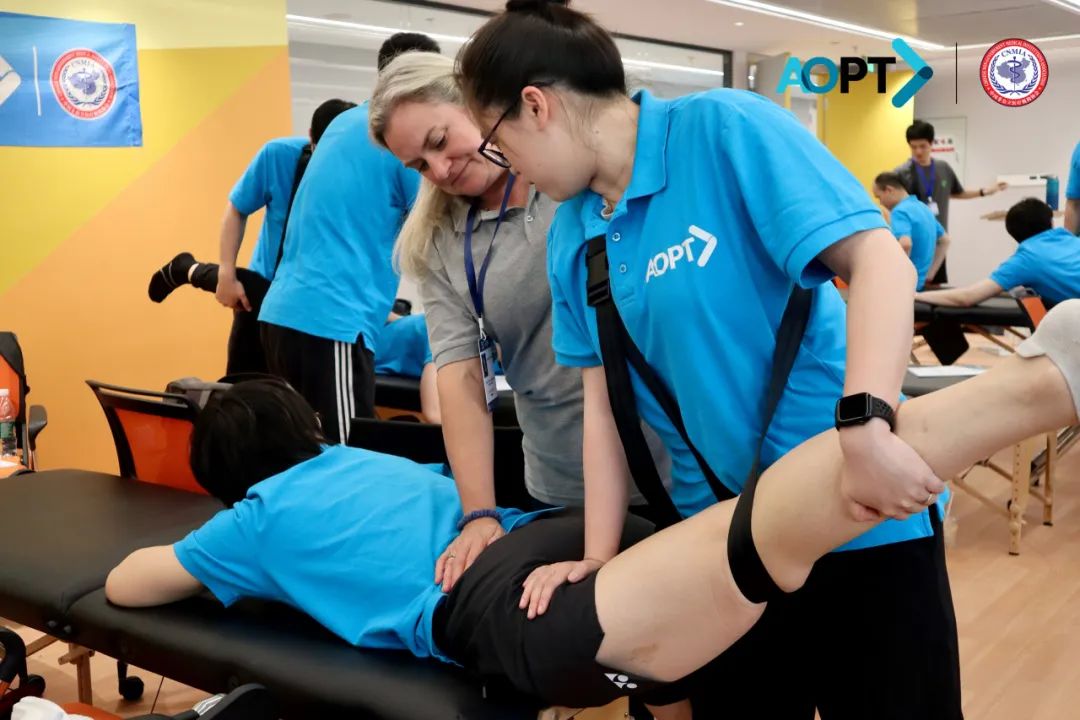
We need to develop communication with our patients that while things like rest – which is usually prescribed after surgery – is important, it’s also important to keep moving little by little to heal. If you don’t move at all that part of the body will lose all it’s strength and the recovery process takes longer. So there’s always this challenge to find a balance between medical advice that is commonly given and what we have seen works for the healing process.
04
Q:The beauty of balance. Do you stories you’d like to share about your work with treating patients?
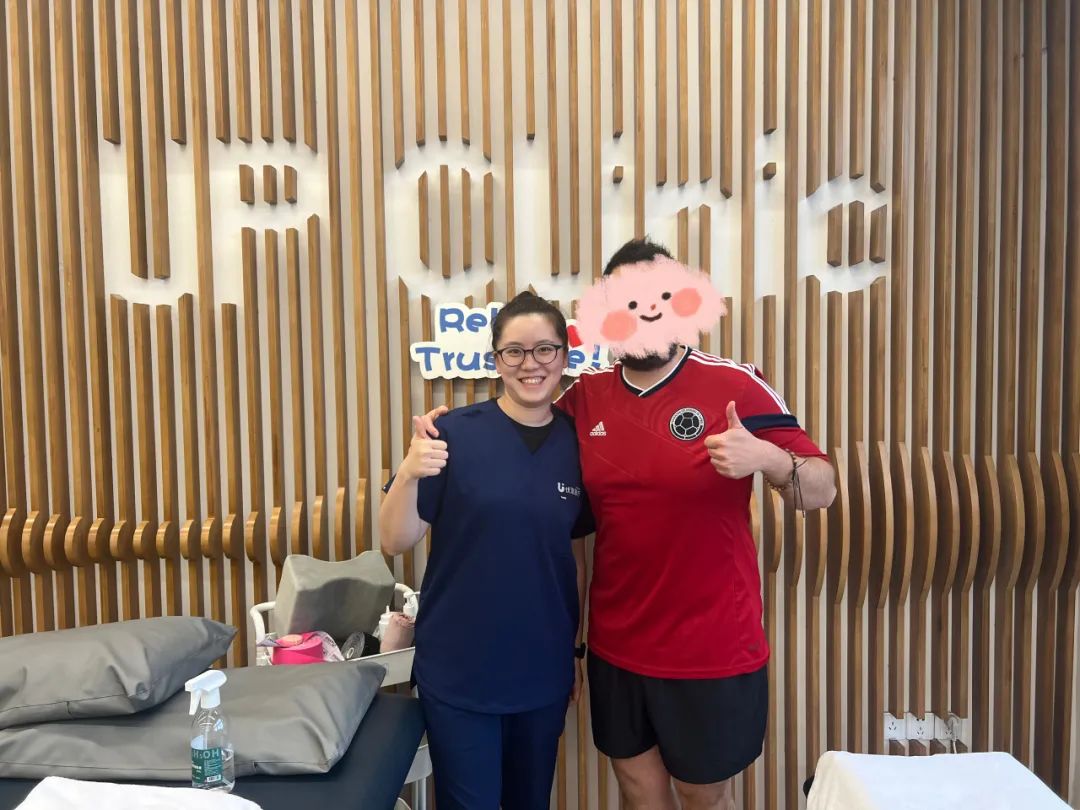
There are a lot of wonderful “moments” that I’ve had with treating patients. The best part however, is always when patients tell me that they have been able to do something that they have’t been able to do in months, or even years. Those are always the best moments.
05
Q:What are some of the things you commonly treat patients for?
Besides MSK patients, I also see patients with pelvic floor issues, pregnant clients and women that are preparing for pregnancy. I love the sentence from one research paper “pelvic floor dysfunction is not an acceptable normal result of pregnancy and birth, and medication or surgery does not need to be presented as a first-line treatment when a safer, less invasive option is available.”
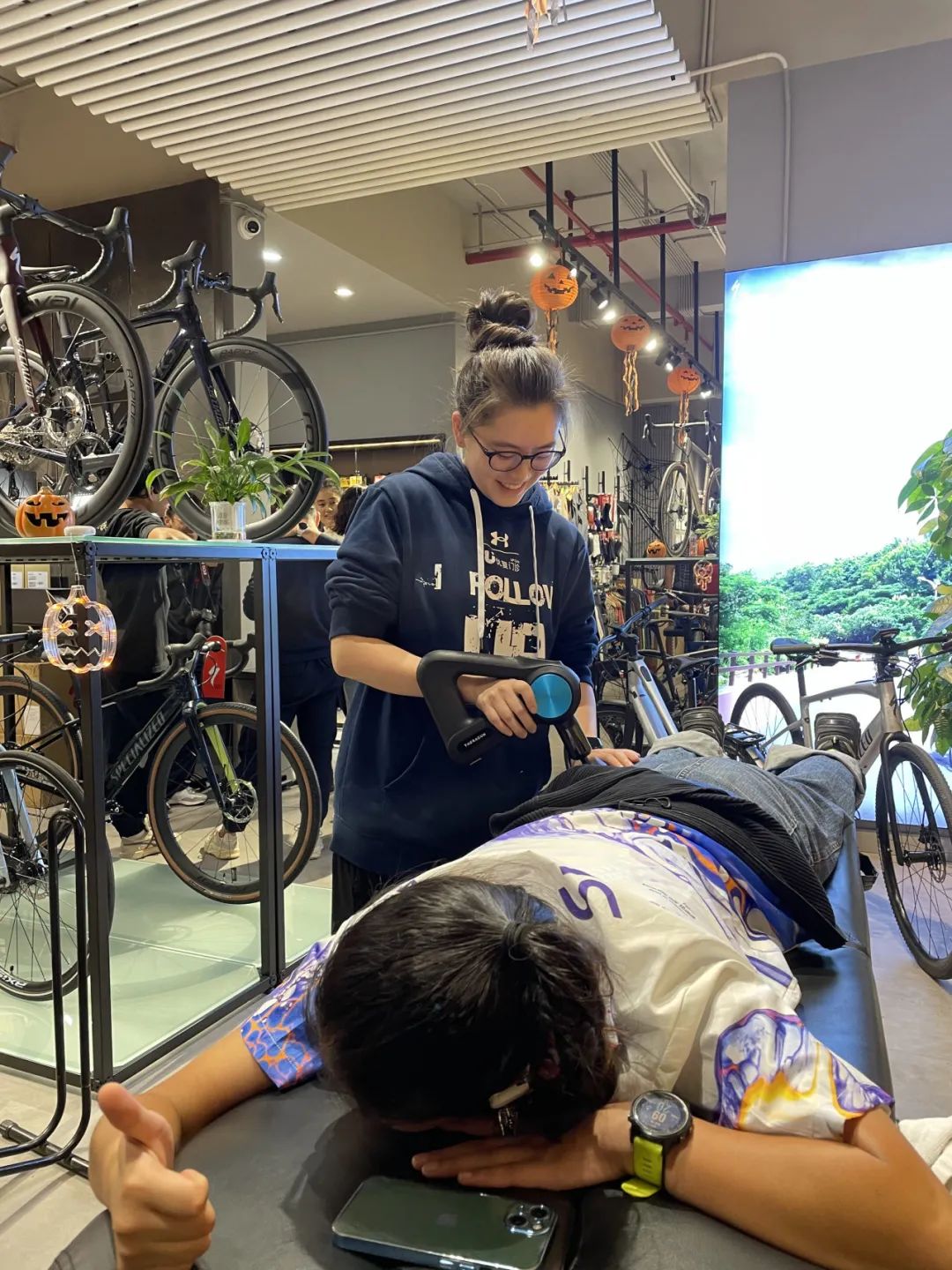
I’m so happy to see more and more women have this awareness of how us therapists can help them and I’m honored be a part of women’s journeys during their pregnancy. Additionally, now even more women realize the importance of physical activity in pre-natal and postpartum recovery. Not only do I want to help them get through this process, but I also want to empower them.
06
Q:That’s a wonderful thing – helping to empower others. Is there anything you’d like to share about your approach to working with others?
Always get to know the people in front of you instead of focusing only on the disease. When we gain the trust from the patient, we can know them better and understand more about their life. This allows us to realize we are not simply treating the impairment, we are also helping to change their quality of life.
UP Medical
本篇文章来源于微信公众号: 上海优复康复医学门诊部