
Q&A: Meet Jeremy (Physical Therapist)


“
Jeremy, originally from Shanghai, has been with UP since February 2022. He studied at Duquesne University Pittsburgh and decided to pursue a role at UP where he felt he could advance his knowledge and practice of physiotherapy concepts, as well as work in an open educational system with ‘a wealth’ of educational resources. He adds, that it also offers “a friendly and enthusiastic working environment, and colleagues.”
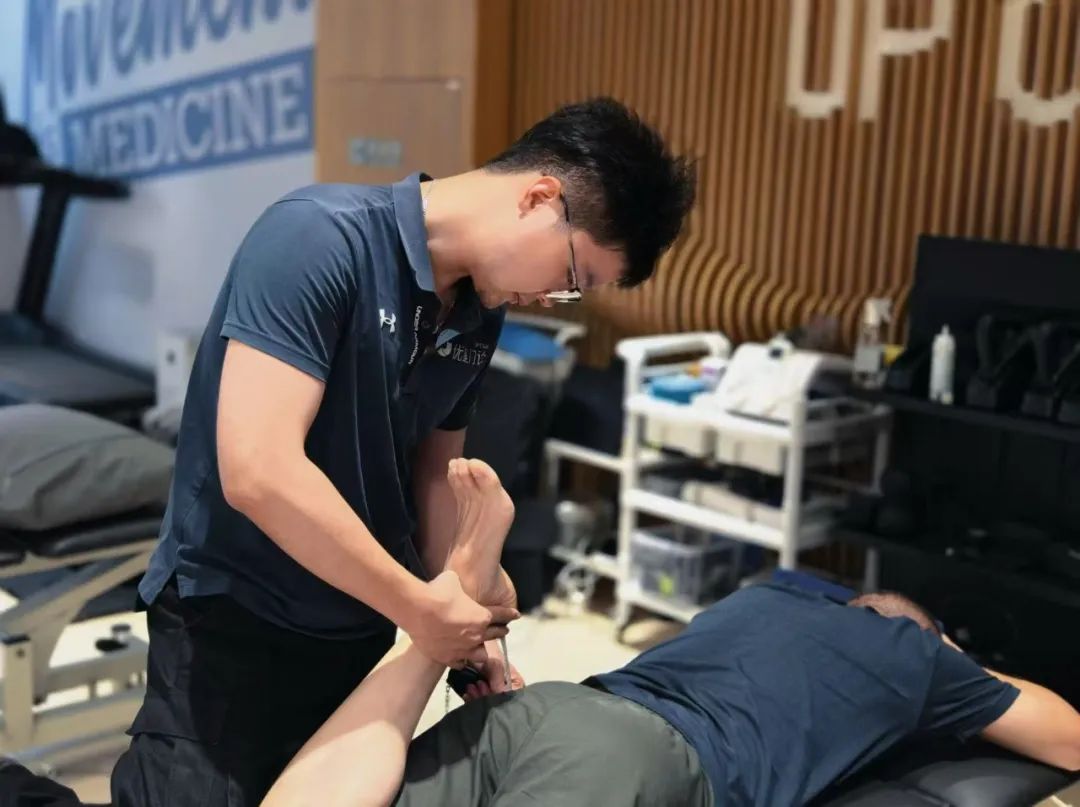
In his free time, he enjoys photography and fitness, especially photography which ‘gives him a break from the busy life to experience the rare tranquility and fleeting moments of the beauty of life.’ Fitness, on the other hand, not only gives him personal benefits, but allows him to relate to his patients more too. Read on to learn more about Jeremy and his role as a physical therapist.
UP Medical
01
Q: How did you first decide to become a physical therapist?
Jeremy: When I was playing basketball in high school, I broke my clavicle. The injury was very severe, and it took me more than half a year to recover. The process was long and painful. It was also the first time I realized that proper and scientific rehabilitation is far more important for a person’s health and functional recovery than surgery itself. Later, when a family member was diagnosed with a terminal illness, it further strengthened my belief in devoting myself to the healthcare industry and helping more people improve the quality and vitality of their lives.

02
Q: Those are quite powerful experiences to have shaped who you are today. Did you have any big role models growing up?
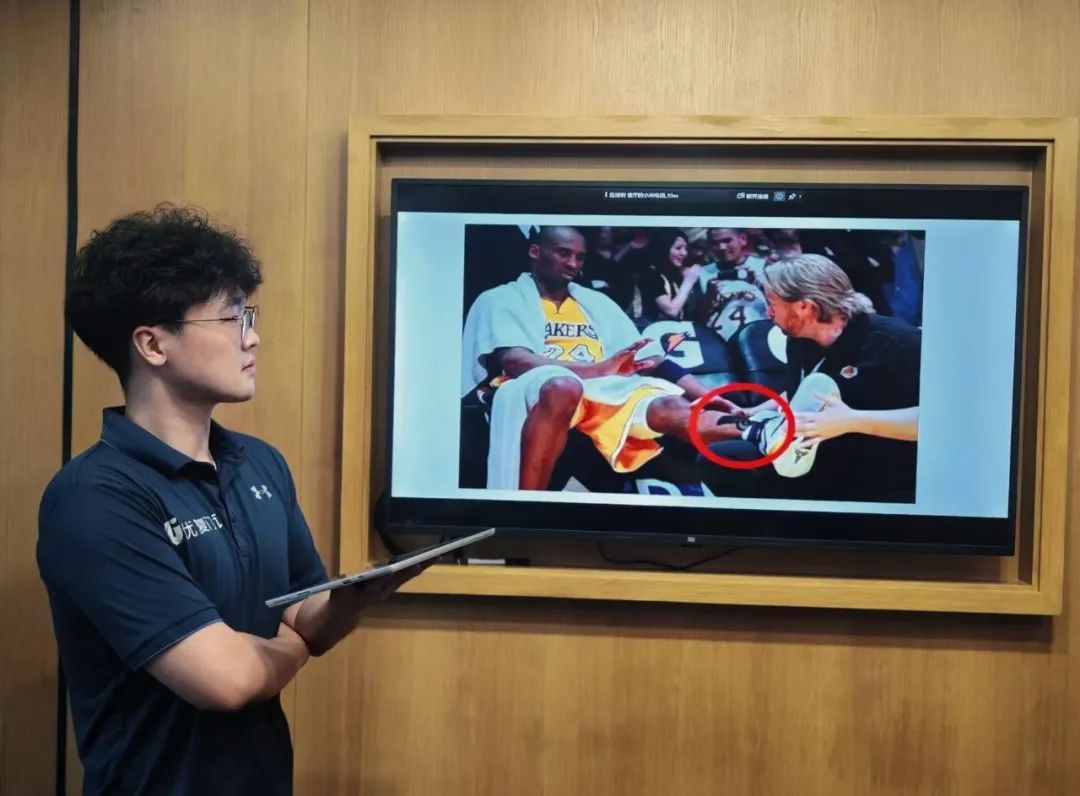
“I know the appearance of Los Angeles at four o’clock in the morning every day.”-Kobe Bryant
Jeremy: Kobe has always been my idol since my school days; his Mamba Mentality has driven me to tackle every challenge. His words—“I don’t want to be the next Michael Jordan, I only want to be Kobe Bryant”—constantly remind me not to imitate others blindly, but to find my own foothold and personal value.
03
Q: Powerful words. How would you apply that to working with the patients that you see?
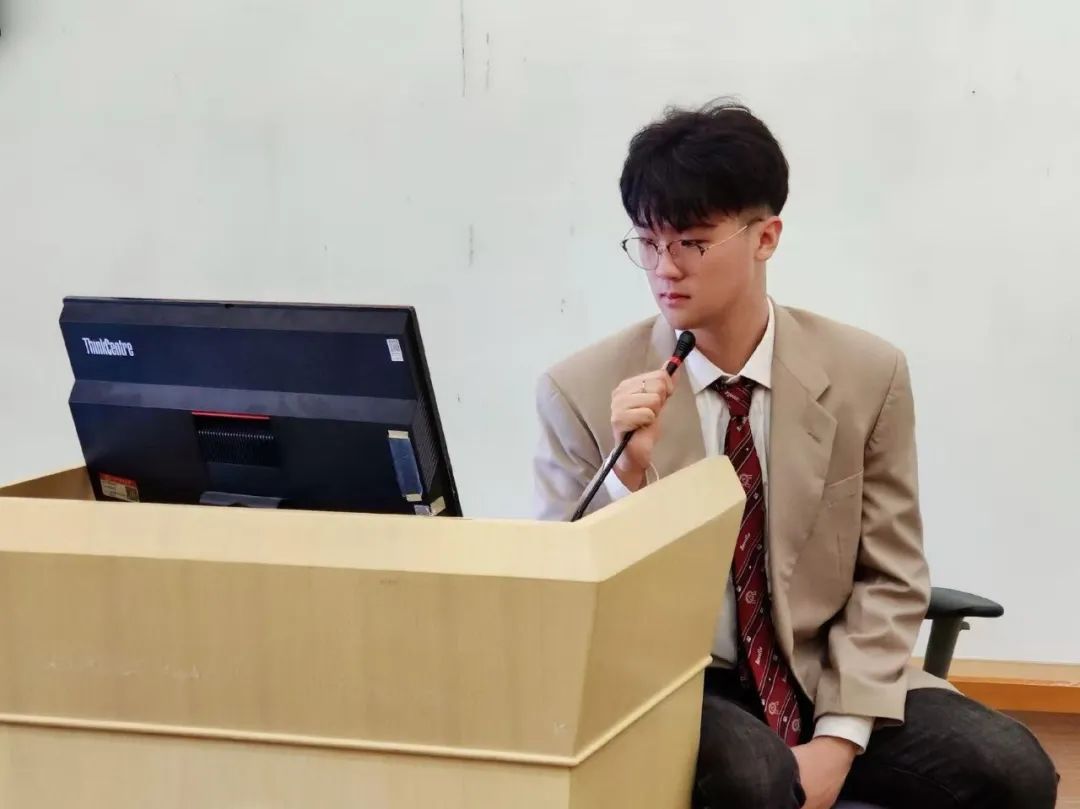
Jeremy: I believe that the varying degrees of patients’ understanding of the concept of rehabilitation largely determine whether they are willing to accept and engage in rehabilitation treatment. Many patients, due to their lack of emphasis on rehabilitation, miss out on the optimal window for recovery. As a result, they have to spend more time and effort to make up for what they have lost. As a qualified rehabilitation therapist, it is our responsibility to guide and help patients correctly understand the progression of their illness and the scientific methods of intervention.
04
Q: So not only patients tackling challenges, but you understanding how to best communicate and advise each individual patient, especially if they are not as open to physical therapy. Do you have any stories from your work with patients that highlight one of those breakthrough moments?
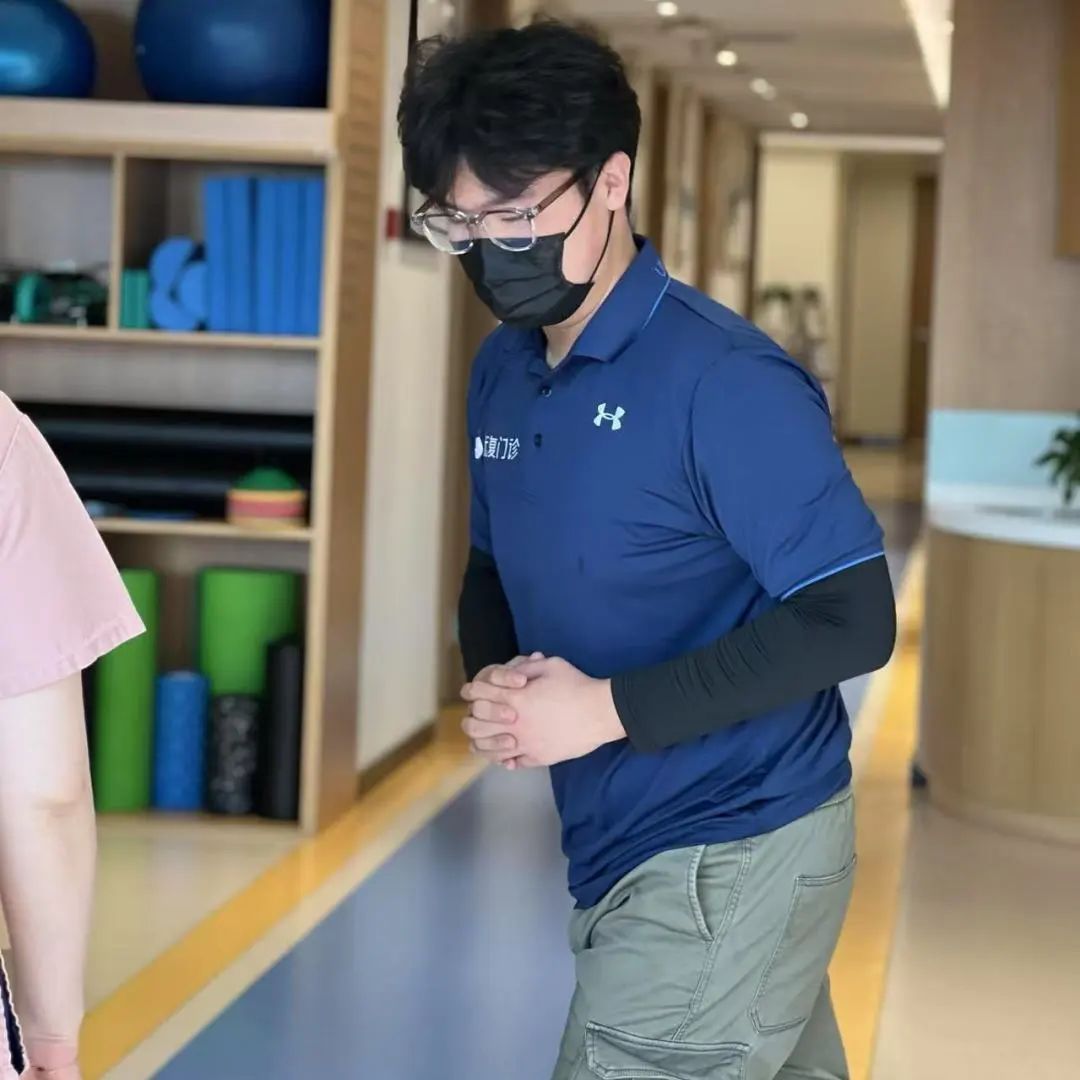
Jeremy: I had a patient who underwent six different surgeries after suffering a comminuted fracture of the patella; she eventually had a patellectomy. When she first came for treatment, she was unable to walk normally. The doctors had told her that she might never be able to return to a normal life and might need knee replacement surgery in the future. However, after several rounds of rehabilitation and her persistent efforts, she is now able to walk up and down slopes and stairs normally and even perform a certain degree of functional training. She is quite satisfied with her current rehabilitation results and hopes to continue improving her function.
05
Q: That is truly tackling an everyday challenge; how impressive. When it comes to your practice, what would you say are some of your specialities?
Jeremy: Post-operative rehabilitation; rehabilitation for sports injuries; intervention and management of acute and chronic pain; enhancement and improvement of physical fitness and sports performance; non-surgical treatment of orthopedic diseases; management of postural and posture abnormalities, etc.
06
Q: Thanks for sharing! Is there anything you would like to add about being a physical therapist and your approach to helping others heal?
Jeremy: Professionalism is always the most important element in being responsible to patients. The planning of rehabilitation, scientific and personalized rehabilitation treatment plans, and patient education are the cornerstones of successful patient recovery.
本篇文章来源于微信公众号: 上海优复康复医学门诊部