

The Importance of Off-season Training


The end of the ‘season’ – whether that be post-race, sporting event or competition – has finally arrived and you are ready to rest and relax. Good! You should!
And while recovery is incredibly important, especially after bigger events, it’s also a good idea to maintain a base level of fitness during your off-season period, especially if you plan to perform again once your rest period has finished.
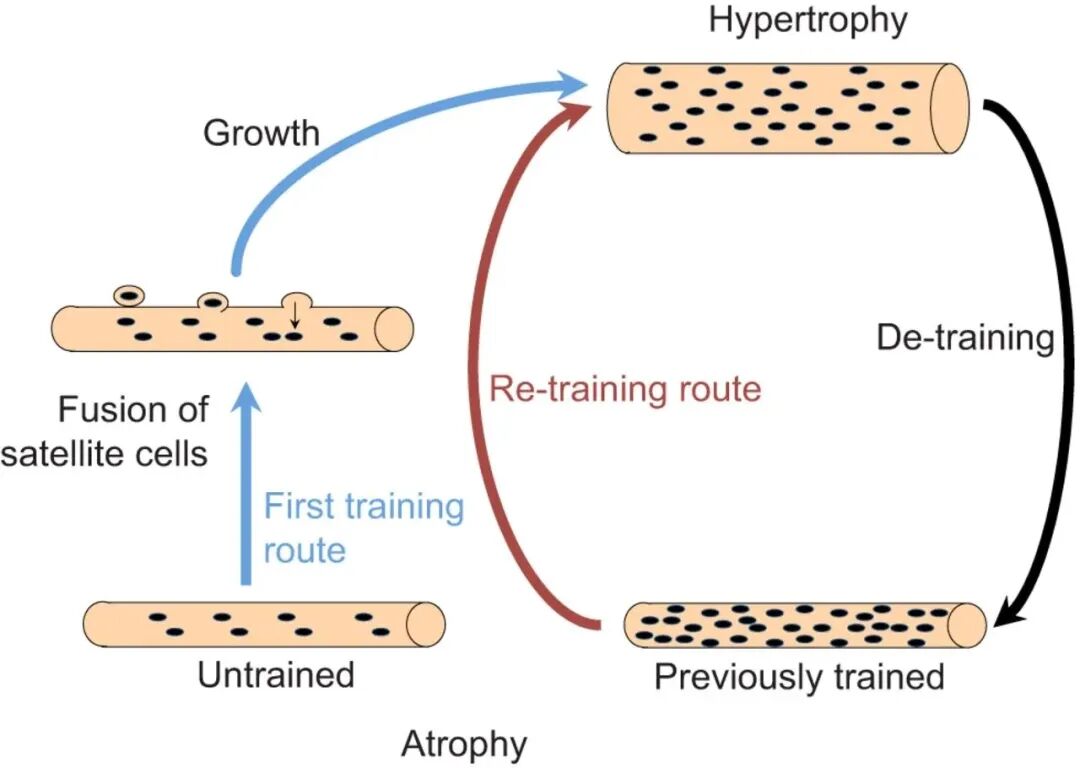
If you stop training completely, your body begins to lose the fitness it worked so hard to build. Vo2Max is one of the quickest metrics to drop, along with reaction timing and speed. It’s also likely that muscle mass will drop.
However if some level of off-season training is continued, the declines are much smaller and months of progress won’t be lost.
What type of training is important in off-season?
Consider what would be considered ‘active rest’. The intensity doesn’t need to go above a moderate level and should be easy on the joints and body. Sports like hiking, swimming and cycling are good examples of this. It’s also worth considering to try and minimize the amount of impact on the body – especially if your sport regularly requires a lot of impact, like running, many court or ball sports.
Resistance training is important to maintain year-round to build a strong athletic base and prevent injury. It might be worth focusing on specific areas – especially weaker areas, to help build up the muscle and prevent injury once returning to sport.
It might also be a good time to get a Functional Movement Screen (FMS) [Move Well Before Moving Often] which can be done at UP. The exercises involved with this screening test mobility, stability and body control and can find weak links in the body that could be susceptible to injury. Other tests available at UP, which can be beneficial for improving core performance, hip stability and lower body symmetry include the core endurance test, YBT (Y-Balance Test) and TRX lower body push assessments. [Are you performance ready?] By spending a few weeks focusing on muscular imbalances in your recovery time, you’ll be able to start off much stronger into your next season.
What about recovery?
Of course, this is also an exceptional time to focus on recovery. Improving sleep health, removing additional stressors and even finding methods to let the body heal are all important elements of recovery.
UP Clinic recovery services include:
Normatec (Compression) Boots
Myofascial Release through Theragun, trigger point release, massage sticks, foam rollers, manual muscle release and assisted stretching
Belt-assisted joint mobilization
Postural Assessments
Chiropractic Care
TCM – Traditional Chinese Medicine
Acupuncture/dry needling
Laser Therapy
Neuromuscular electrical stimulation
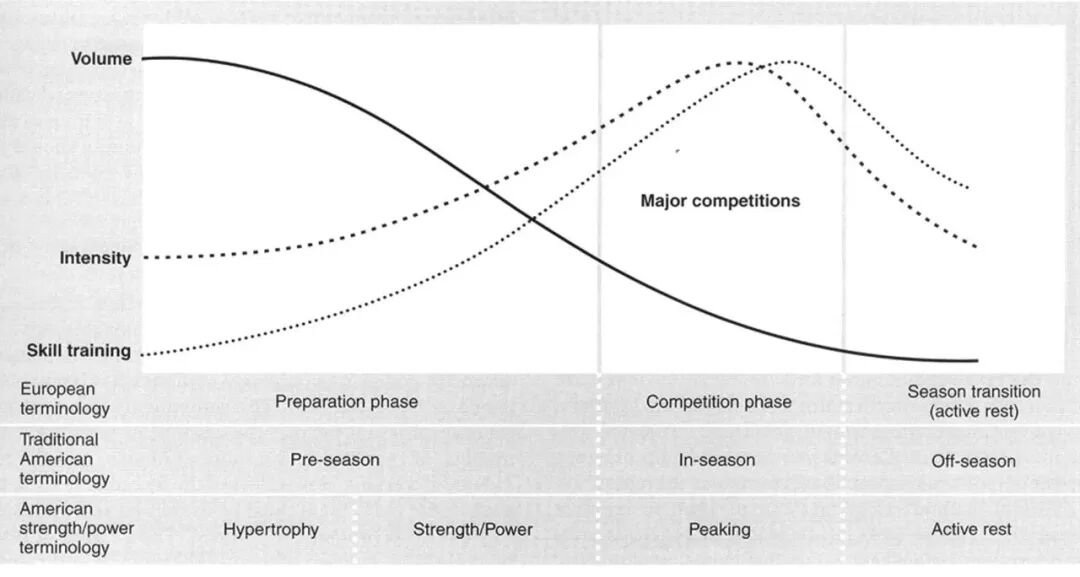
Periodization – the careful planning of training cycles to balance stress and recovery – is also an important part of a recovery plan – even when you are in full training mode. Due to changes in seasons it used to be more common for natural loading and unloading to take place (ie; during harsh winter people were less likely to train for marathons). But now, with more and more people traveling for events, as well as just more events in general, i’s possible to compete year-round. This is why it’s even more important to create adequate rest cycles and focus on proper unloading and preparation phases with active recovery before entering the next training season. If you are unfamiliar with creating a periodization plan, our physical therapists can help with that too!
Physical rest might be an obvious part of de-loading after the end of your ‘season’, but it’s also a time to take a mental and emotional break from training as well. Sport and exercise can be just as mentally demanding as it is physically and it’s important to create some downtime so that you feel excited and recharged for future competitions.
本篇文章来源于微信公众号: 上海优复康复医学门诊部