
Why a shoulder injury shouldn't mean surgery


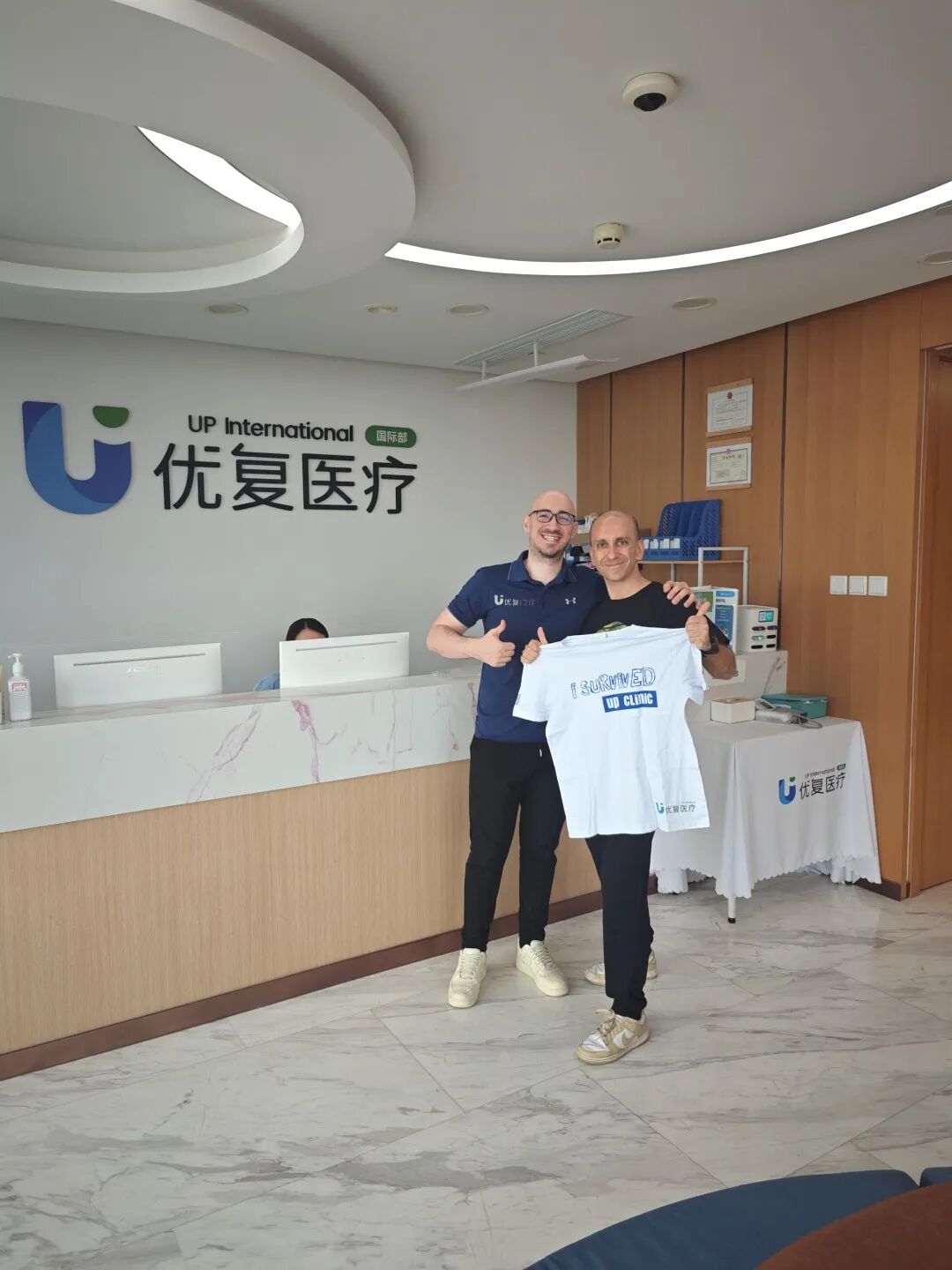
A weight lifter and Dragon Boat Racer, when Salvatore injured his shoulder in the gym, he was hopeful that a little rest would solve the pain. But after a month without much resolve, he knew he had to take more measures to get back to his training. He had been to UP once before and had many friends who’ve also visited seeking treatment for injuries, so he decide to reach out again and come in for a consultation with our physical therapist Amari.

After a diagnosis they put together an action plan for Salvatore and within just a few months later he was fully recovered. We talk to Salvatore to learn more about his experience:
First, let’s start with the initial story – what happened?
In June of 2025, while doing a bench press – an exercise that I have done regularly for years – I felt an initial pain. It was mild, so I continued to work out. But the day after I found I couldn’t move my shoulder and then the pain became pretty intense.
I stopped doing upper body exercises for a month, hoping the injury would eventually pass, but after one month and still no resolve, I thought I should come into UP Clinic to see Amari, who had once helped me solve a problem on my biceps.
I booked an appointment and from July 5th started a treatment plan for my shoulder: one session every weekend, plus homework exercises during the week. (It turned out to be a SLAP (Superior Labrum Anterior to Posterior) injury of the right shoulder with secondary impingement syndrome and rotator cuff tendonitis!). Week-by-week, the pain began to reduce, the range of movement began to increase and I felt my strength start to come back. After only 10 sessions (plus the homework), I felt fully recovered by the end of September.
It sounds like with a consistent plan and support you were able to make quick progress. What type of exercises did Amari ask you to do?
The exercises we did were aimed to improve stability, mobility, extension and strength of the shoulder. To my surprise, Amari also showed me that I could do myofascial release around the shoulder, which we did during the sessions using a massage ball and massage gun to release the muscles around the shoulder, chest and back.
What was the hardest part of the whole process for you?
The hardest challenge was to understand how much to push during the exercises and deal with the pain. Pain is a message the body sends to protect us, but I knew pushing through it a little bit was a way to also recover.
This was especially true in the first weeks; it took determination and consistency to get through the days where I didn’t feel much improvement. But little by little I started to see things change for the better and mentally, that helped me a lot to keep going.
Did you have any memorable experiences during your path to recovery?
Well, every day with an improvement was memorable, but I have two specific moments that stand out: The first is when I did the Turkish Get Up without pain while using a pretty heavy weight. But the happiest moment for me was the first time I could paddle during a Dragonboat training using the injured shoulder and without pain. Dragonboat is my biggest passion; I have been doing the sport for four years and that was a thrilling and gratifying moment. I even remember the date: October 13th.
What a great feeling that must have been! Do you have any advice for anyone dealing with pain or looking for recovery support?
My mistaken belief was that to deal with an injury, I should just rest and wait until I recovered. Well, I discovered that while rest is fine, it was not enough. Through this experience I learned that physiotherapy is crucial to actively build strength for support, heal and recover quicker. These things take time, but if you stay consistent and don’t give up, you’ll get there. Health is the most important thing, time and money come secondary.

本篇文章来源于微信公众号: 上海优复康复医学门诊部