
Q&A: Echo Han (Physical Therapist)

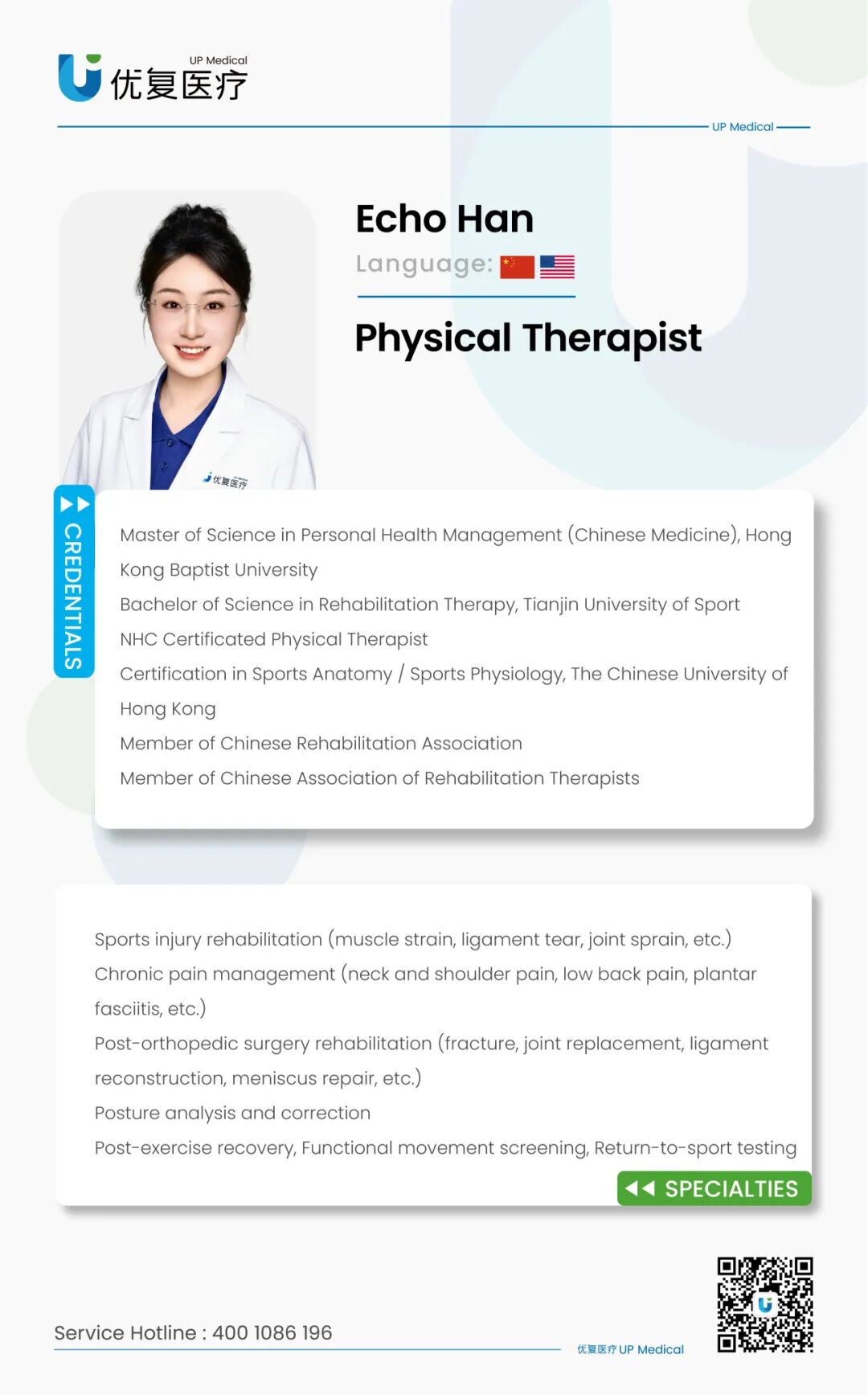
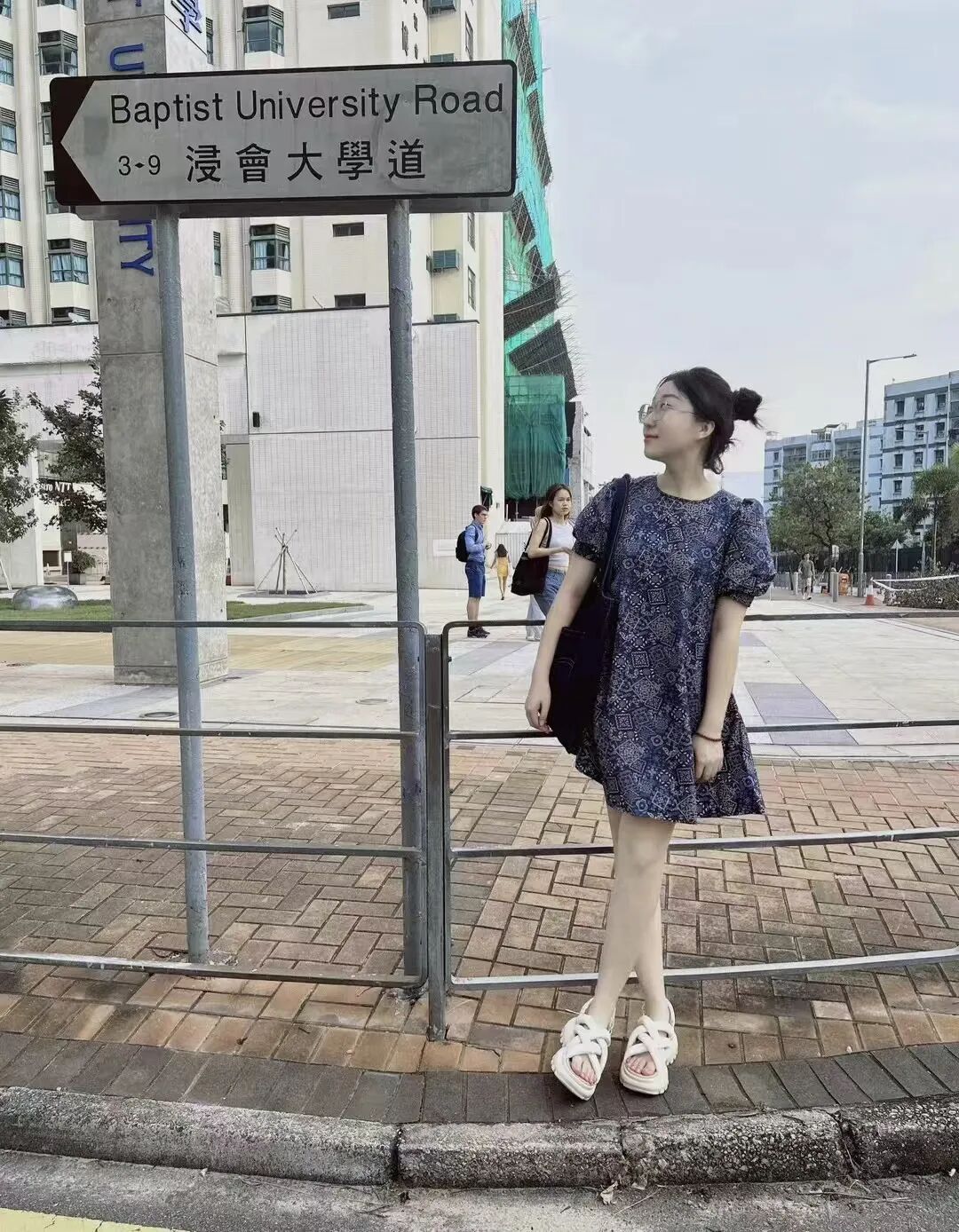
Echo has been with the UP team for nearly one year. Originally from Shanxi Province, she earned her bachelor’s degree in Rehabilitation Therapy from Tianjin University of Sport before getting her master’s degree in Chinese Medicine Health Management from Hong Kong Baptist University.
Along with her work she is passionate about travel, music and sport. She enjoys singing and playing the pipa, which “helps [her] immerse [herself] and relax,” along with swimming, which keeps her fit, maintains her coordination and balances her work rhythm.
Get to know more about Echo, why she joined UP and how she connects with her patients to help them heal.
━━━━━━━━━━━━━━━━━━━━
Q:You’ve been with UP for over eight months now, what made you decide to join this team?
Echo:
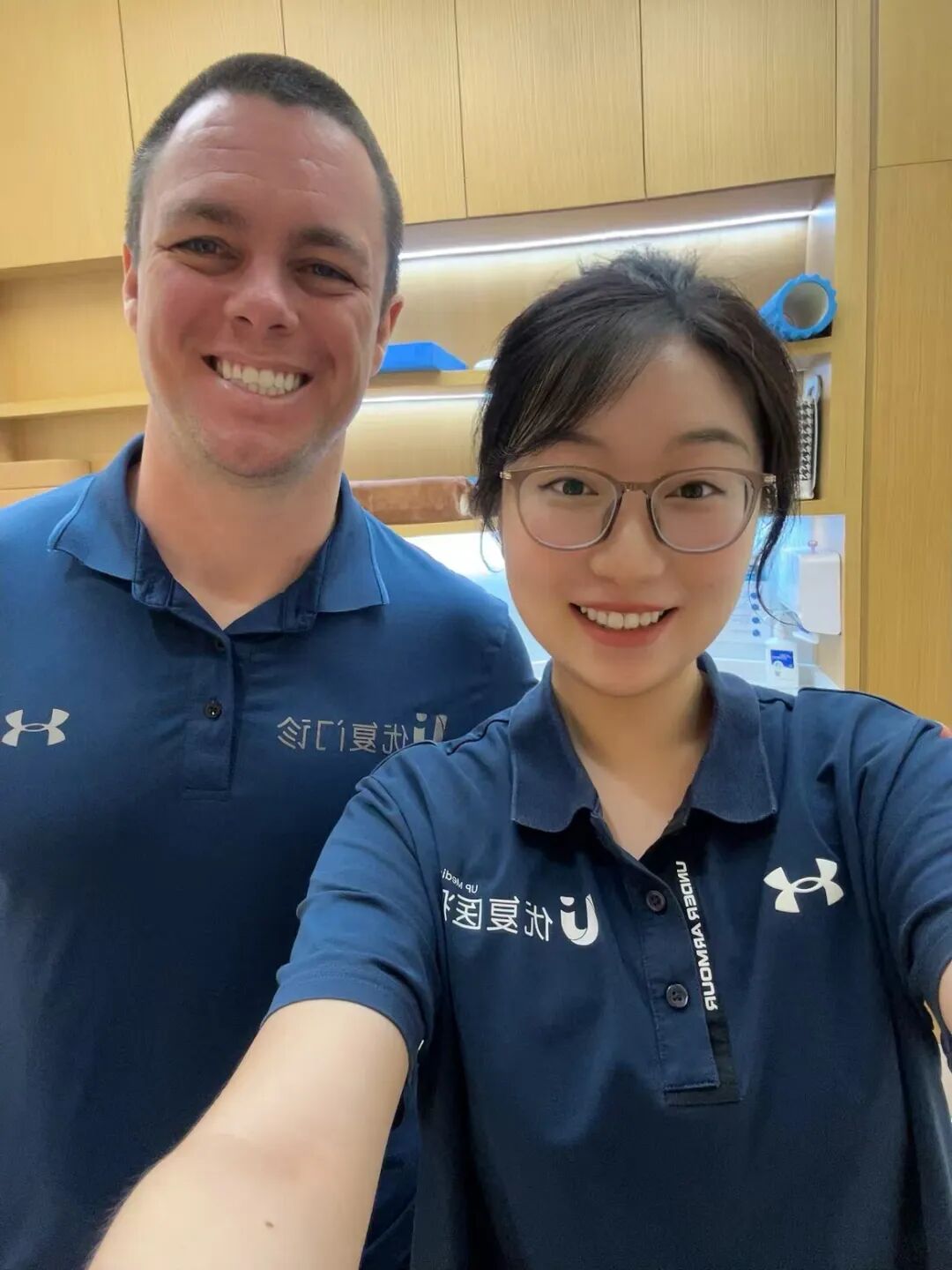
UP Clinic has a well-established, comprehensive training system, as well as, advanced treatment concepts. As I transitioned from learning on campus to doing the workforce, my goal was to steadily improve my clinical practical skills. During my initial interview, the interviewer’s professional and calm demeanor left a great impression with me; giving me the feeling of the high standards of the team. Since joining, I have truly grown and progressed, and am even more certain that I made the right choice.
Q:How did you first decide to become a physical therapist?
Echo:
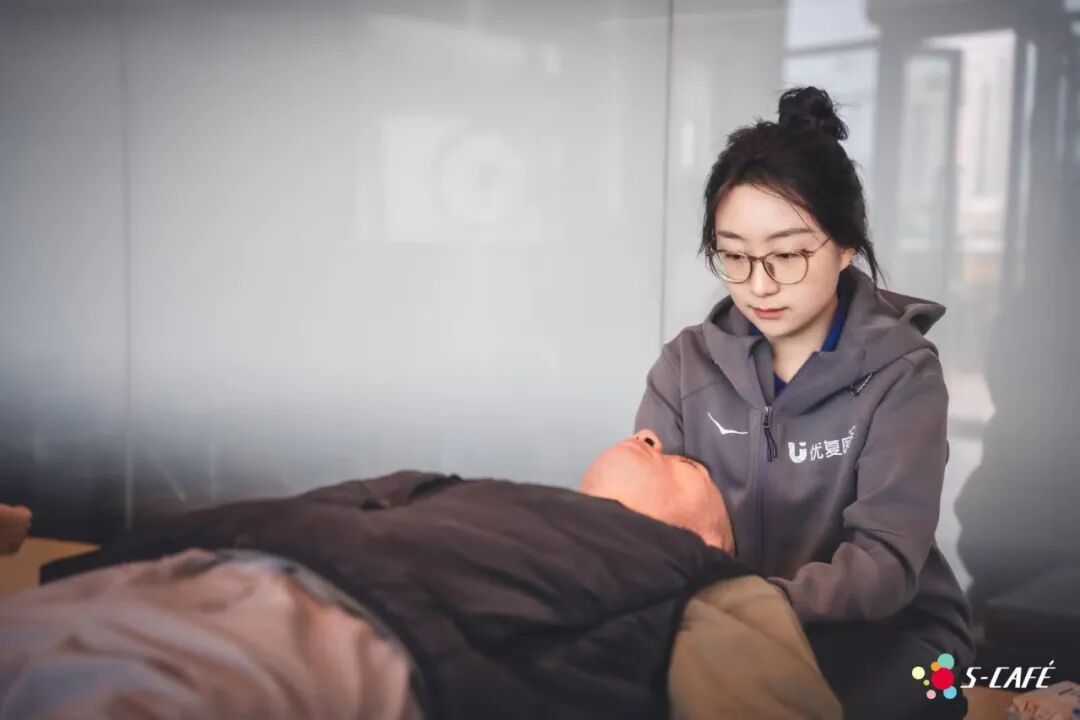
While choosing a major in college, I stumbled upon rehabilitation therapy, which I didn’t know about previously. After further study, I found physical therapy to be an amazing profession: the use of professional techniques with just “a pair of hands,” to help patients relieve pain and return to normal life. Due to it’s non-invasive and drug-free nature, it’s also better accepted by patients who wish to heal through a more holistic approach. Every time I see patients improve in muscle strength, joint mobility, and other aspects, the sense of achievement and fulfillment makes me love this profession more and more.
Q:‘Healing through hands’; what a lovely concept. What do you see as one of the biggest challenges with patients?
Echo:
I believe the biggest challenge for patients is treatment compliance. Physical therapy requires a “two-way effort” and close cooperation between therapists and patients. Rehabilitation outcomes depend on the patients’ awareness, perseverance, and confidence. After we help patients restore joint flexibility and build body stability through professional treatment, it is even more important for them to stick to home rehabilitation exercises and actively cooperate to maintain and build results. This is the most crucial part for patients: prioritizing rehabilitation on their own.
Q:Did you have any role models growing up that exemplified that sort of self-discipline?
Echo:
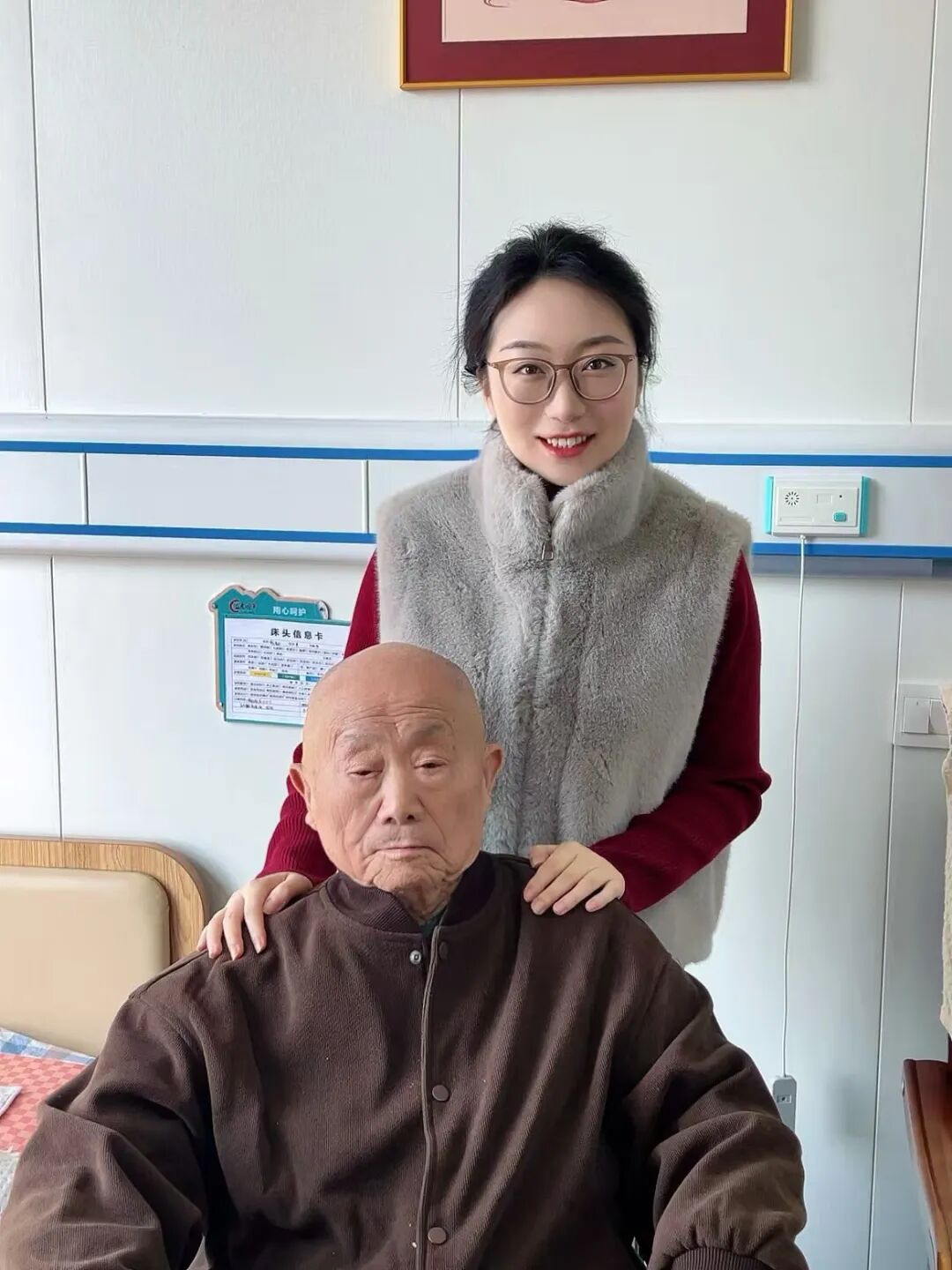
The person who influenced me most is my grandfather. He is a veteran, 95 years old, and still maintains a healthy, regular, tidy, self-disciplined, and rigorous lifestyle. He reads books, newspapers, and follows the news every day, truly “knowing the world without leaving home.” Talking and spending time with him has benefited me greatly. His self-discipline, love for learning, and way of thinking have deeply shaped my attitude toward life and work.
Q:He sounds like an incredible mentor. In your work with rehabilitation, are there any experiences working with patients that have also been inspiring for you?
Echo:
During my undergraduate internship, I met a very memorable patient. In his early thirties, he suffered a high-level spinal cord injury after slipping in the bathroom. It was during the Spring Festival holiday; he was admitted via emergency, transferred to the rehabilitation department after surgery, was quadriplegic and depressed. We stuck to rehabilitation training day-after-day, from passive movement to active effort. Gradually, he went from being unable to move at all to being able to lift his legs, stand, and walk with a walker. Before discharge, he could even stand independently to shower and play mahjong in simulated daily scenarios. As someone new to clinical work, I was deeply moved by the effects rehabilitation had on him. I truly felt the value and power of physical therapy, which strengthened my determination to devote myself to this field. We still keep in touch; he traveled successfully last year, and I am truly happy for him.
Q:That’s incredibly inspiring. Before we wrap up, is there anything you’d like to include in your approach to helping others heal?
Echo:
As a physical therapist, I have always upheld the original aspiration written in my resume: “I hope to join an ambitious and warm-hearted team, become a spark, and help and light up more people.”
Fortunately, I have found exactly such a team! Physical therapy is a profession deeply connected with people. I always adhere to the people-centered rehabilitation concept. My greatest strength is empathy. Some say clinical workers should learn to be “less sensitive,” but I believe that only by understanding patients’ anxiety and helplessness from their perspective can I provide more accurate and compassionate care. At the same time, I maintain professional boundaries–empathetic but not overly involved, keeping rational judgment and professional literacy. I accompany every patient toward recovery with stability, professionalism, and care.
本篇文章来源于微信公众号: 上海优复康复医学门诊部