
Q&A: Iris Guan (Physical Therapist)


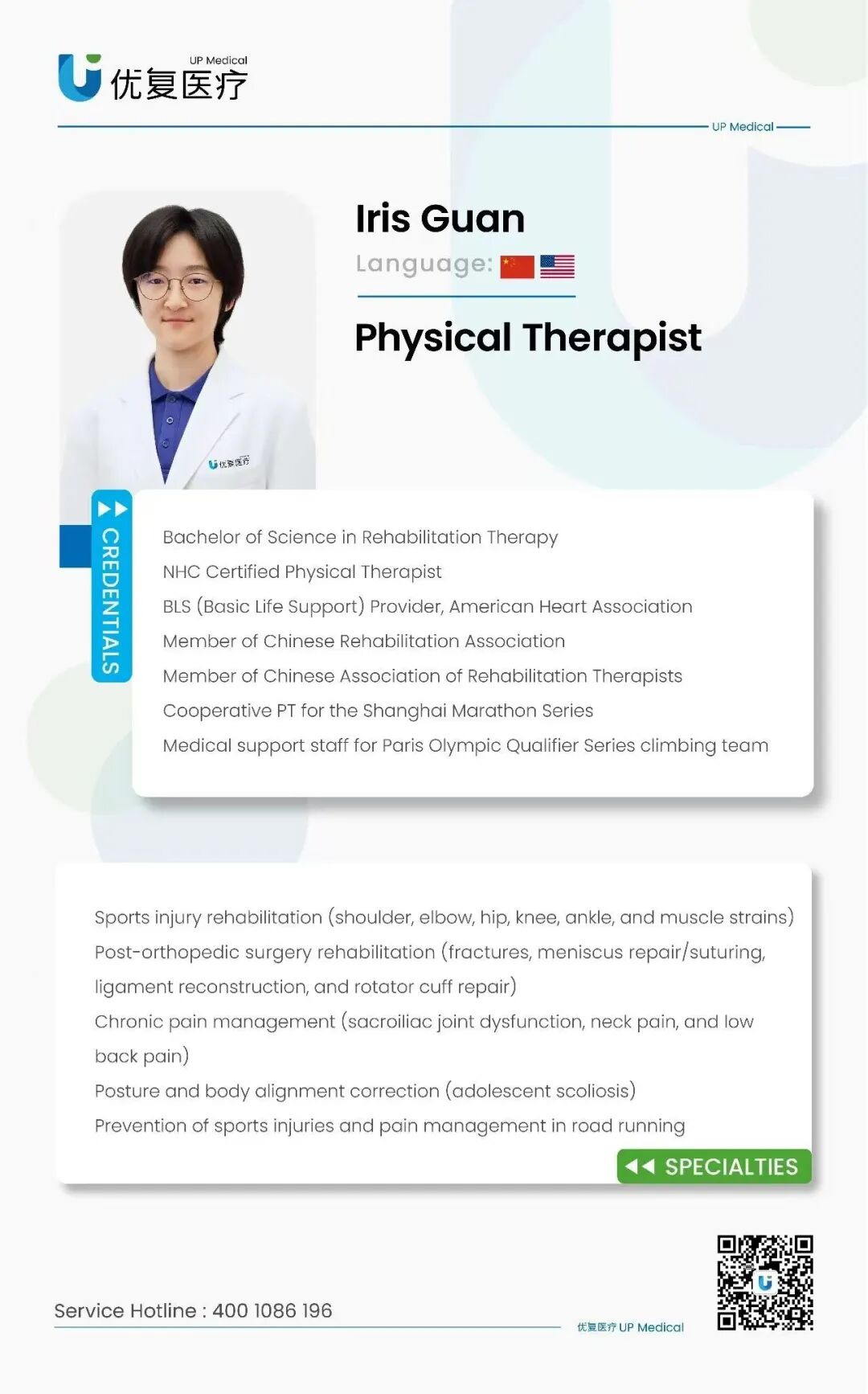
Iris joined UP just over a year ago and says she was, “initially drawn by the open work environment and the diverse academic backgrounds of the team.” Since then, the Henan-native has grown and developed new skillsets through her experience with the team.
An active person, or as she puts it ‘someone who can’t sit still’, she rock climbs, surfs, plays badminton and basketball and enjoys hiking and running. This only adds to her belief – and the belief at UP that ‘exercise is a crucial component of rehabilitation therapy.’ Iris also adds that the team energy is ‘radiating’ and that translates into the support and care they bring patients.
Clearly passionate about her work, read on to learn more about Iris and how she gives her patients the care they need to heal:
Take us back to the beginning – how did you first decide to become a physical therapist?
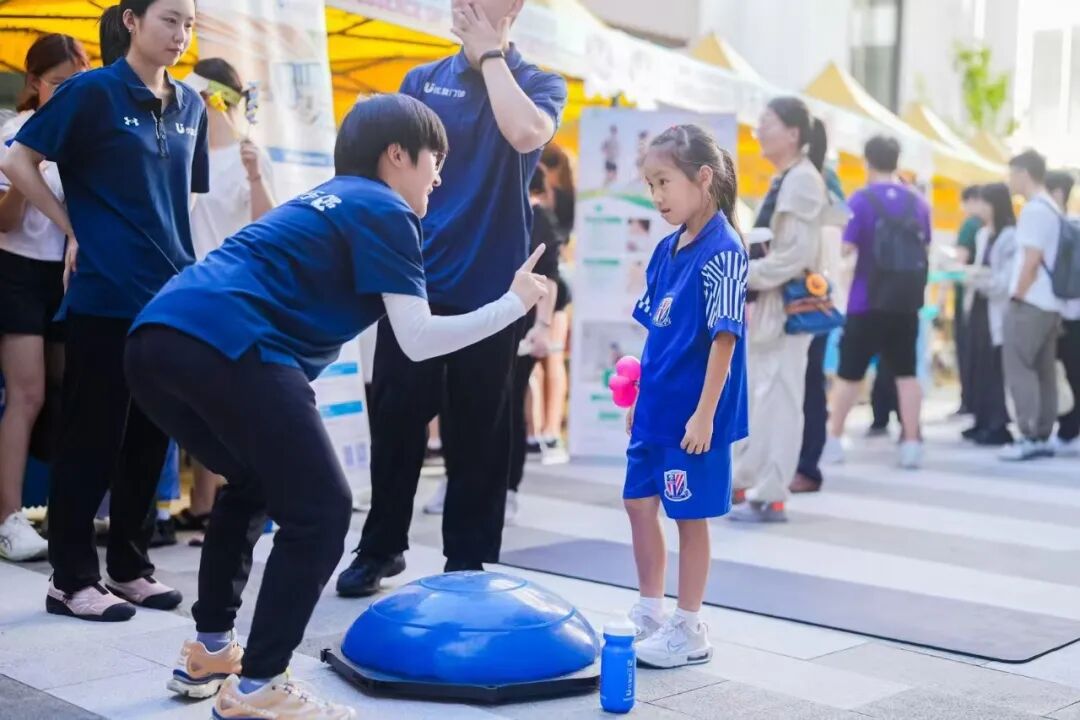
When I first learned about physical therapy, I didn’t fully understand what [they] actually did. However, after completing a clinical internship at a hospital during the summer of my sophomore year, I witnessed the full scope of a physical therapist’s work; I saw how they not only use manual techniques to alleviate pain and improve function but also engage in training and exercise alongside their patients. That experience convinced me that this profession was the right fit for me, as it would allow me to leverage my expertise in sports to better assist patients.
Since you started your journey as a physical therapist, do you have any interesting stories about the profession you could share?
Back when I was studying at university, I had an experience that made me truly realize the immense potential and significance of rehabilitation therapy in China. I had traveled to Guizhou for a competition to present on the role of rehabilitation therapy in an institutional setting. After my presentation, the captain of a local sports academy team approached me to discuss the differences in the development and value of rehabilitation therapy between Shanghai and Guizhou.
He mentioned that while many of his team members competed at the national level, they lacked both the awareness and the resources to implement pre-competition injury prevention or post-competition rehabilitation. That was when I truly grasped just how much room there is for development and growth in this field.
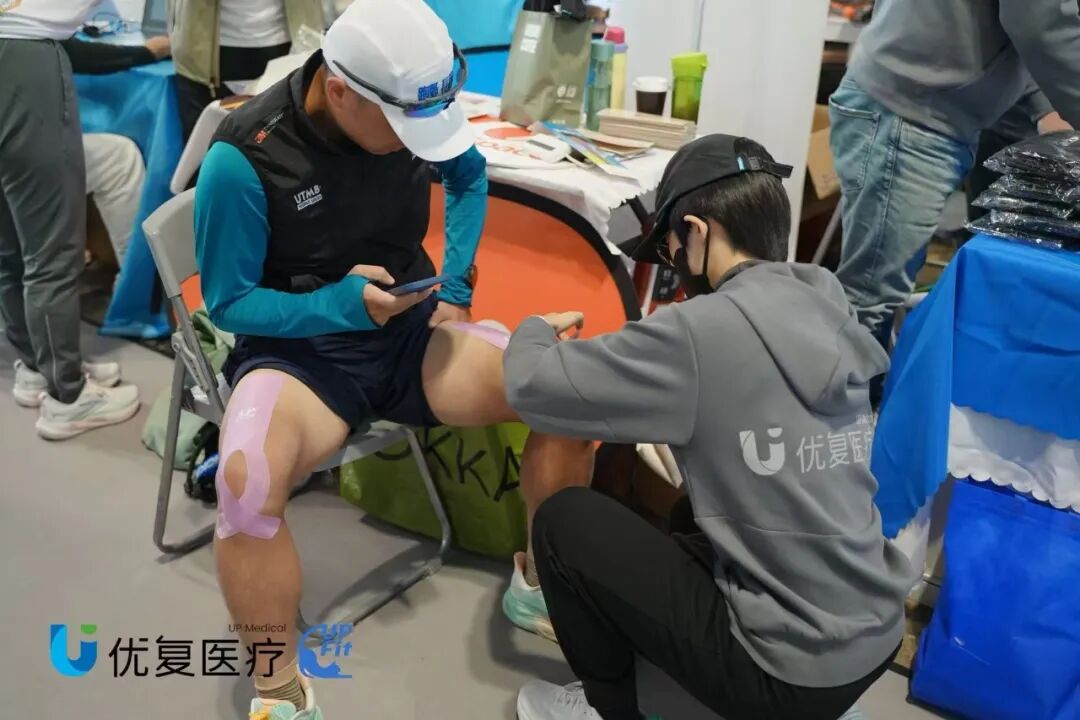
What are some of your specialities when it comes to treatment?
I specialize in treating patients with sports injuries—particularly marathon runners. As a runner myself, I have experienced the full spectrum of injuries associated with the sport; this allows me to better empathize with my patients and incorporate my personal experiences into their treatment.
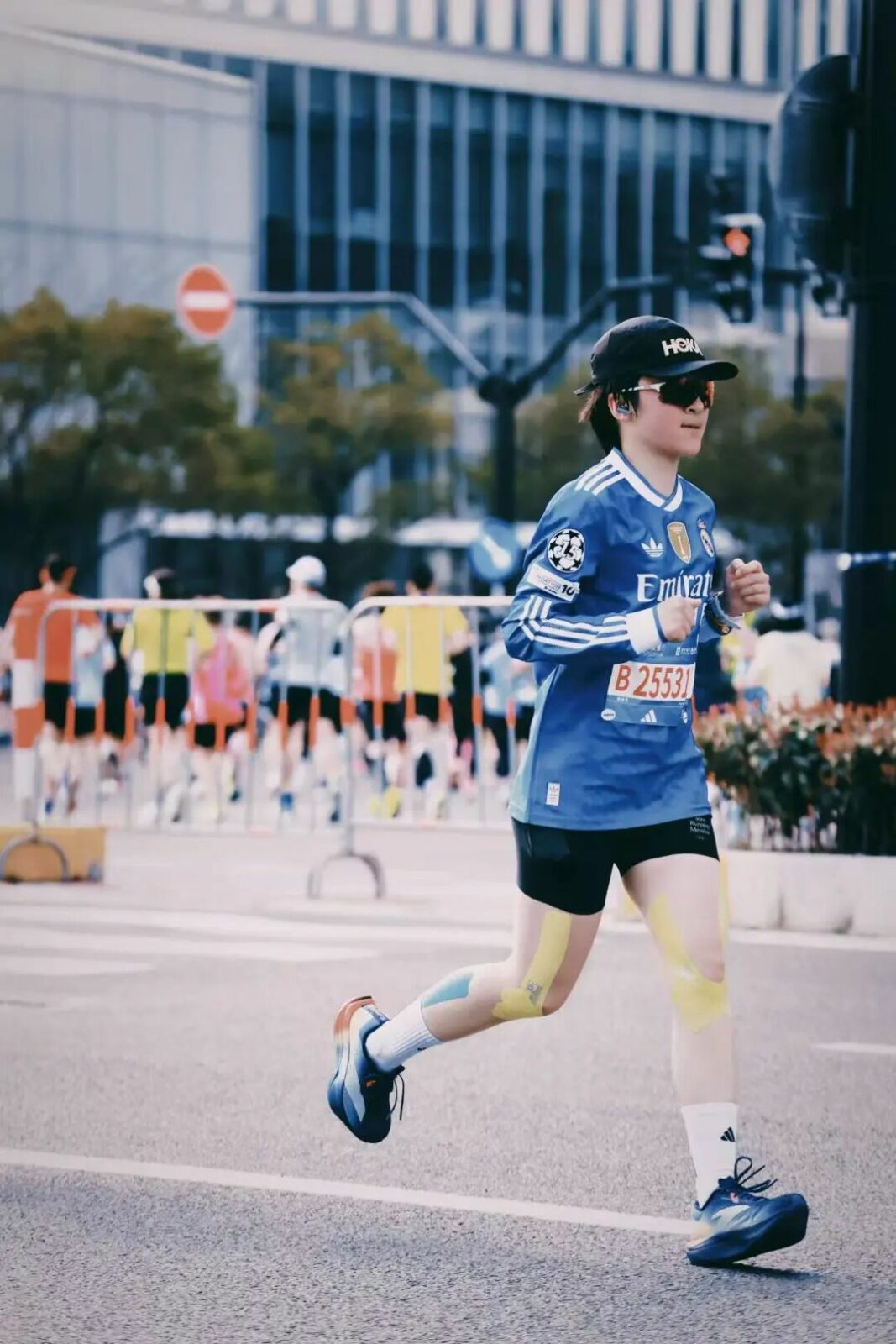
As someone who’s so interested in sports, did you have any athletic role models growing up that inspired you in both work and career?
For me, Stephen Curry has been a vital source of inspiration as I’ve grown up. Early in his career, whether in high school, college, or his initial days in the league, he was constantly doubted and underestimated; critics frequently dismissed him as undersized and lacking the necessary skills. Yet, that harsh criticism never broke him. He consistently inscribed the phrase “I can do all things” on his sneakers, and he ultimately proved so many wrong. That once-unassuming, undersized player went on to re-write basketball history, becoming a legend for whom the Hall of Fame would make a special exception. My own journey has also been marked by doubt, and rejection. Whenever I feel like reality is simply stacked against me, I think of Curry and remind myself:
I can do all things!
You can do all things! That’s great inspiration. Do you have any inspiring stories from your own experience?
During my internship, I encountered a patient – almost seventy years old and with a history of leukemia – who was suffering from hemiplegia following a cerebral hemorrhage. He could not speak clearly, relying instead on garbled speech and hand gestures to communicate. Such a condition would understandably cause anyone to lose heart, yet he remained remarkably optimistic; he looked forward to our daily therapy sessions, cooperated fully with our efforts, and would even occasionally crack jokes to cheer us up. I told myself then that while he might be just one in a thousand or ten thousand patients in our careers, we were his *only* hope. Even if he managed just one extra repetition during a rehabilitation session, it represented hope for him – and for me, it embodied the true value of my work.
He might be just one in a thousand or ten thousand patients in our careers, but we were his only hope.
What a true reminder of something so routine, could be something so life-changing. What do you see as one of the biggest challenges with patients?
I believe the key issue is communication. First, there is the challenge of language differences; every country has its own unique ways of expressing things. While we may grasp the meaning of what the other person is saying, I often worry about whether the patients truly understand what we are trying to convey. Second, even with patients who speak the same language, a single sensation of pain can be described in many different ways within one cultural context, making full understanding difficult. If a patient also struggles to articulate their feelings precisely, it significantly complicates our communication.
Ultimately communication is one of the biggest barriers for success, but can also be a catalyst to becoming the most successful at your profession. It’s a great skill to continuously practice and learn from. Is there anything else you’d like to add in regards to your journey as a physical therapist?
Only by understanding the limitations of physical therapy can one truly appreciate its possibilities. To some extent, a therapist acts as a persuader; if we succeed in convincing patients to help themselves and actively participate in their own rehabilitation process, then we have succeeded.
本篇文章来源于微信公众号: 上海优复康复医学门诊部