
Learning to live comfortably with arthritis


UP Medical doesn’t just offer service for post-surgery patients. Our aim is to help everyone move well and move often – even if the pain points you are dealing with are part of a natural aging or wear and tear progression.
Arthritis is one of those sneaky discomforts that can sneak up on us whether it be from aging, a sports injury that has turned into a stiff knee, inflammation of the joint or the wear-and-tear of osteoarthritis. But joint pain doesn’t mean giving up the things you love.
We take a non-surgical approach first. For most people with arthritis, the right mix of movement, hands-on care and smart daily habits can reduce pain and restore function, often without the need for surgery.
|
01 |
What’s happening in an arthritic joint? |
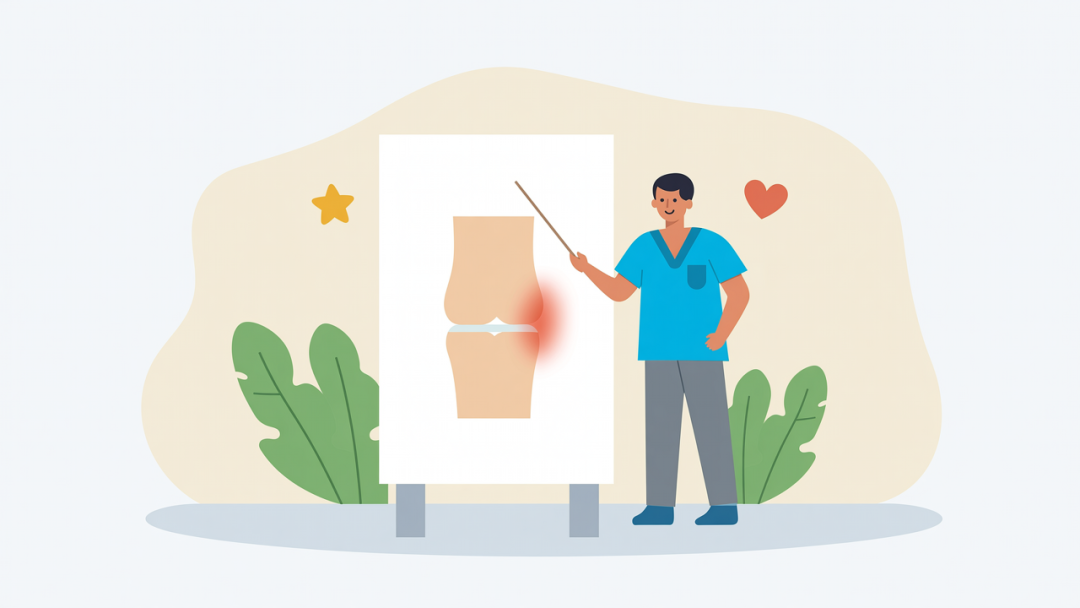
“Arthritis” is an umbrella term for conditions that cause joint pain, swelling and stiffness. The most common form, osteoarthritis, happens when the cartilage cushioning the ends of your bones gradually breaks down. The joint loses some of its smooth gliding, and the surrounding muscles and tissues often tighten up to protect it, which can make stiffness worse. Knees, hips, hands and the spine are the most frequently affected areas.
|
02 |
What can you do to help ease the pain? |
1. Keep moving smartly
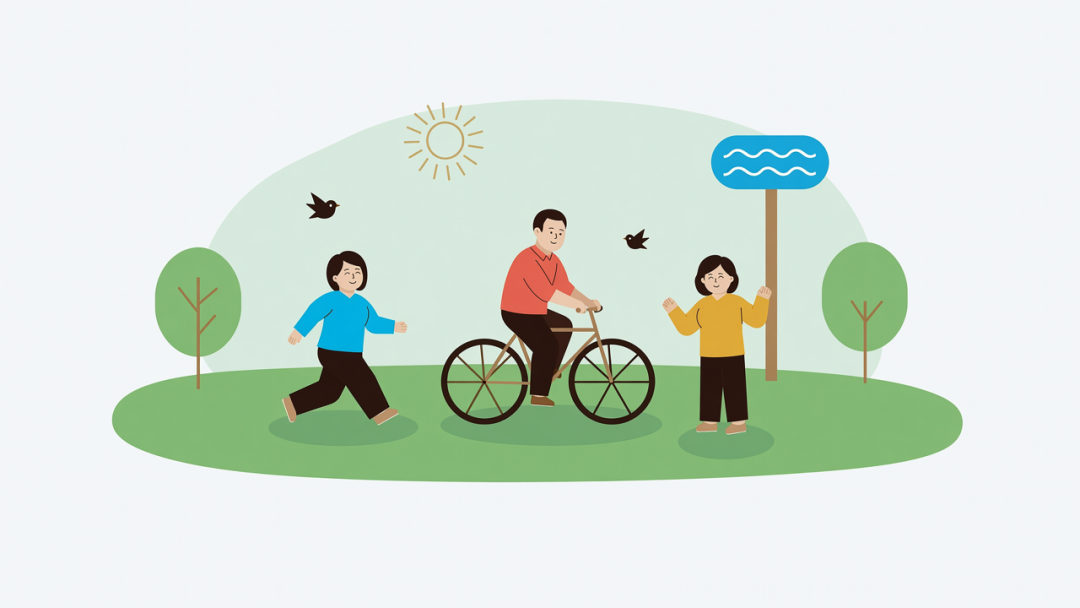
It sounds counterintuitive, but rest is rarely the best medicine for arthritic joints. Regular movement nourishes cartilage, keeps joints mobile and builds the muscle that supports and offloads them. Low-impact options like swimming, cycling and walking are a great starting point. The key is finding the right dose: enough to build strength and mobility, but not so much that you trigger a flare-up.
2. Strengthen the muscles around the joint
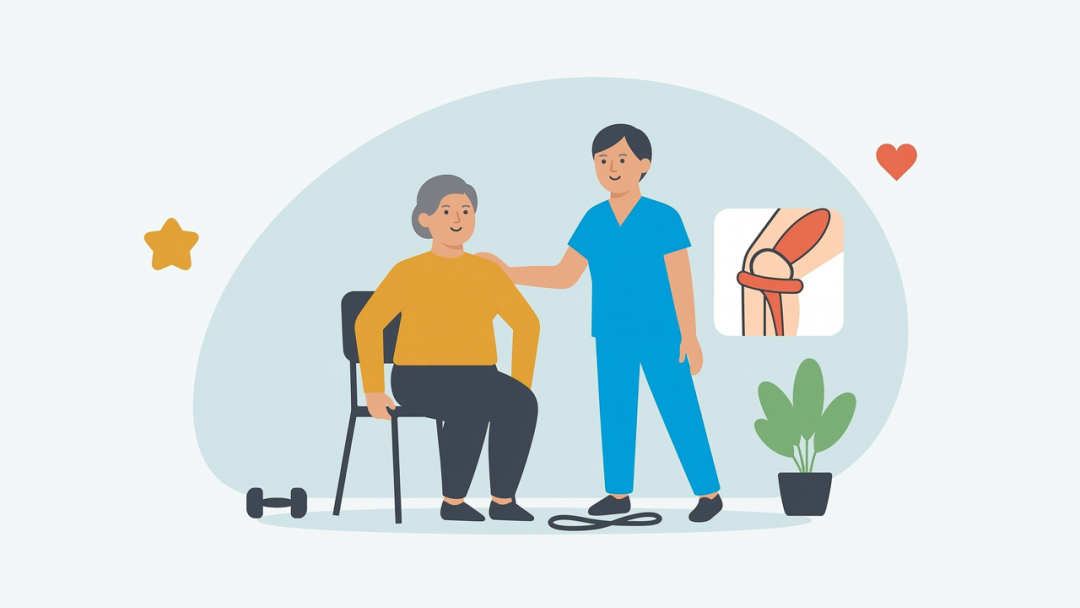
Strong muscles act as shock absorbers. For knee arthritis, strengthening the quadriceps and hips can noticeably reduce pain. For back and hip arthritis, core and glute strength is essential. Our physiotherapists can design progressive programs tailored to your joint, your fitness level and your goals, so you can train with confidence rather than guesswork.
3. Manage your load
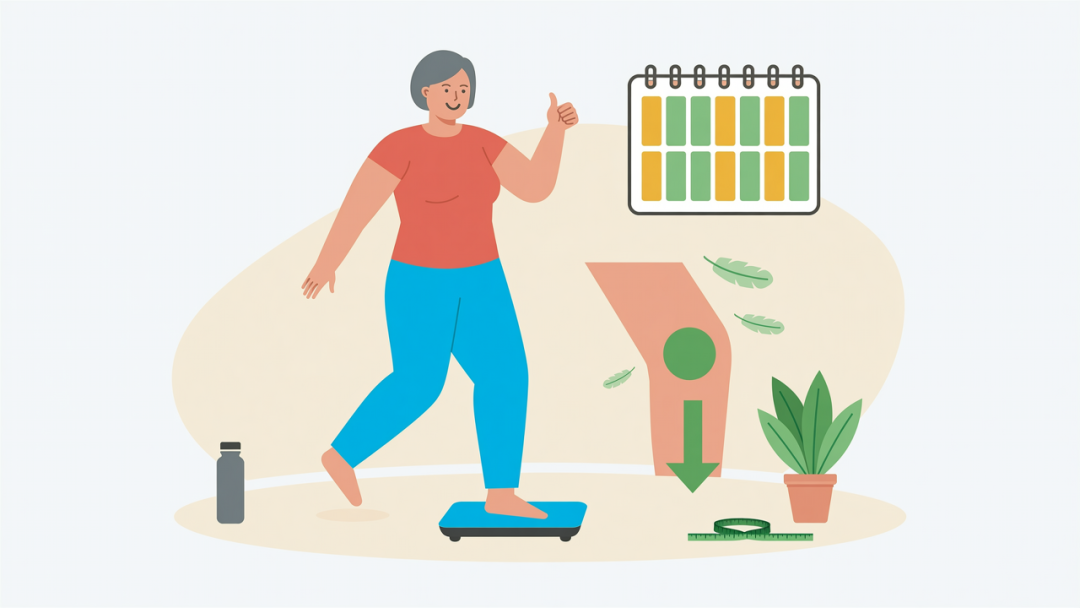
Every extra kilogram of body weight adds several kilograms of force through the knees with each step. Even modest weight loss can make a meaningful difference to joint pain. Pacing matters too: spreading demanding activities across the day and week helps you stay active without overloading sore joints.
4. Use heat, cold and good habits
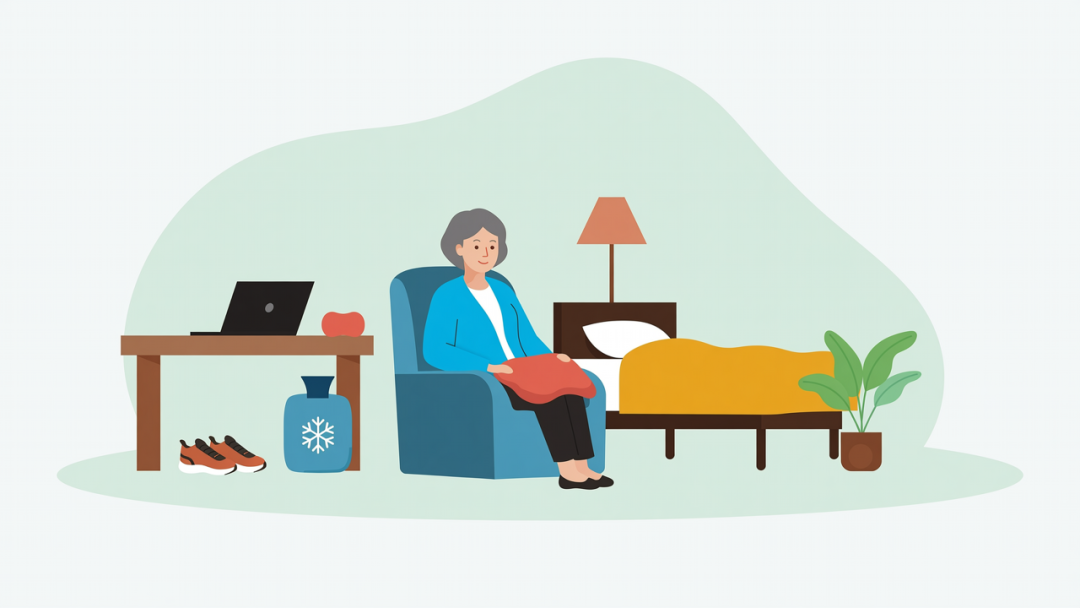
Warmth can ease morning stiffness, while cold packs help calm swelling after activity. Supportive footwear, good posture at your desk and quality sleep all play a role in how your joints feel day to day.
5. Get a proper assessment
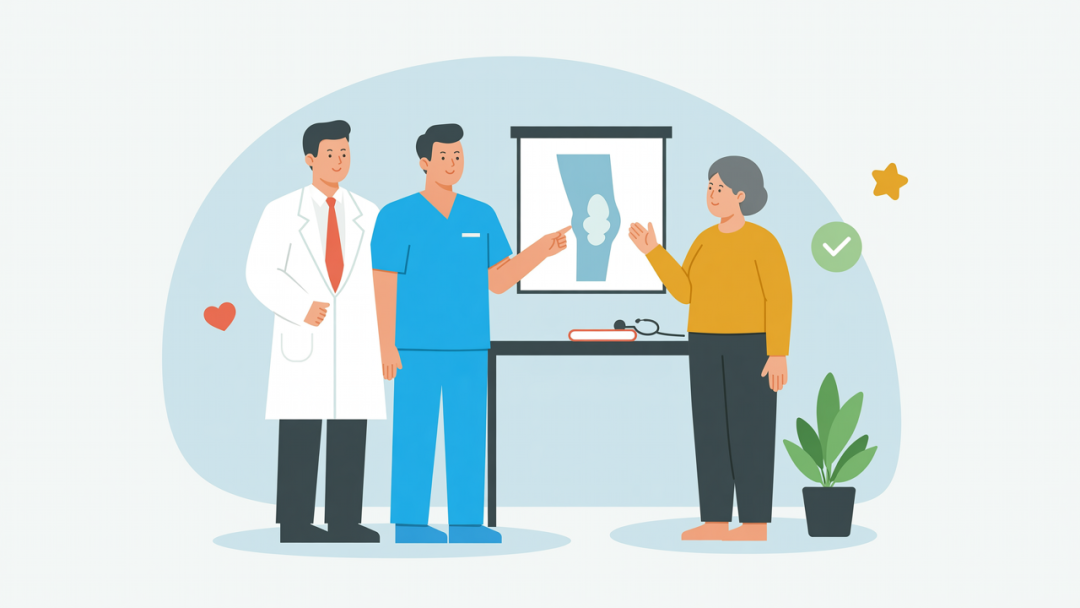
Not all joint pain is the same, and the right treatment depends on an accurate diagnosis. Our orthopedic doctors specialize in degenerative joint disease and arthritis and can create the right treatment plan designed specifically for your needs.
|
03 |
How UP Medical can help |
We offer a one-stop approach to arthritis care under one roof:
|
01 |
Orthopedic assessment to diagnose your condition and guide the right plan |
|
02 |
Physiotherapy for pain relief, joint mobility and chronic pain management |
|
03 |
Chiropractic and osteopathic care to address joint alignment and movement restrictions |
|
04 |
Traditional Chinese Medicine (TCM) as a complementary option for pain and stiffness |
Our international team works together on your care, with clear, upfront pricing and convenient locations in Jing’an, K11 (Xintiandi), Gubei and Qiantan.
Ready to move with less pain? Book an appointment with our team toda