
Treating Tennis Injuries with Physical Therapy and TCM


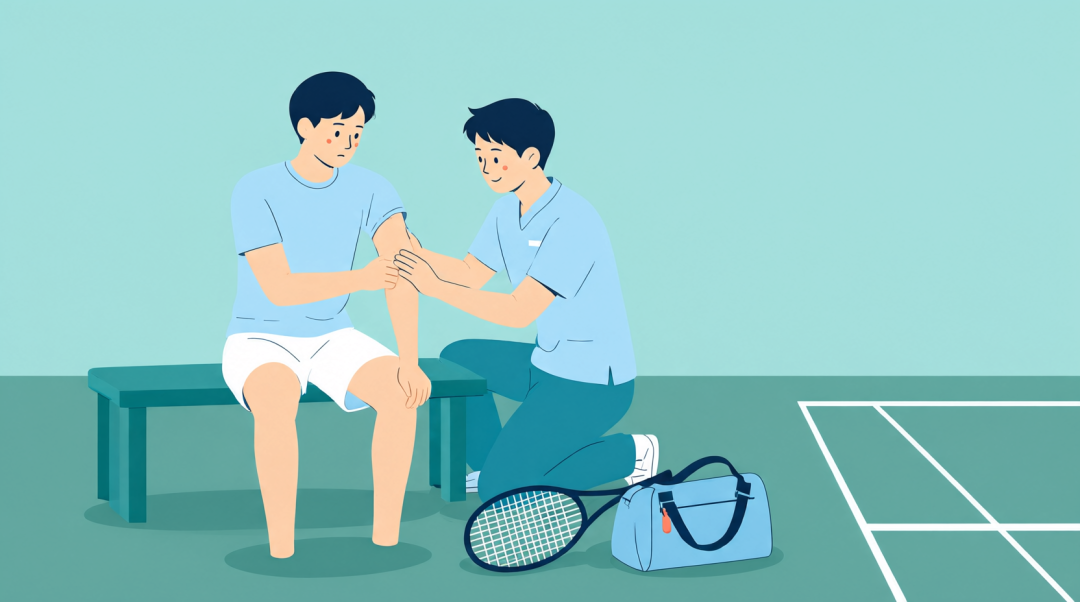
If you’re a tennis player and you’ve been struggling with a tennis injury the good news is that most tennis-related injuries can heal without surgery under the guidance of a physical therapist, as well as, utilizing a TCM doctors tools for pain, tension and circulation.
Tennis can take a toll on the body. It’s not just wrist and shoulder work, but a full-body workout that tests the forearm, knees, ankles and more. After continuous play, small overloads can quickly add up!
At UP, we prioritize treatment with a non-surgical approach first. Our team of professionals includes physical therapists, TCM doctors, orthopedic specialists and chiropractors. And when they partner with one another to treat a patient, we see some of our best patient recovery.
01 Two groups of tennis injuries
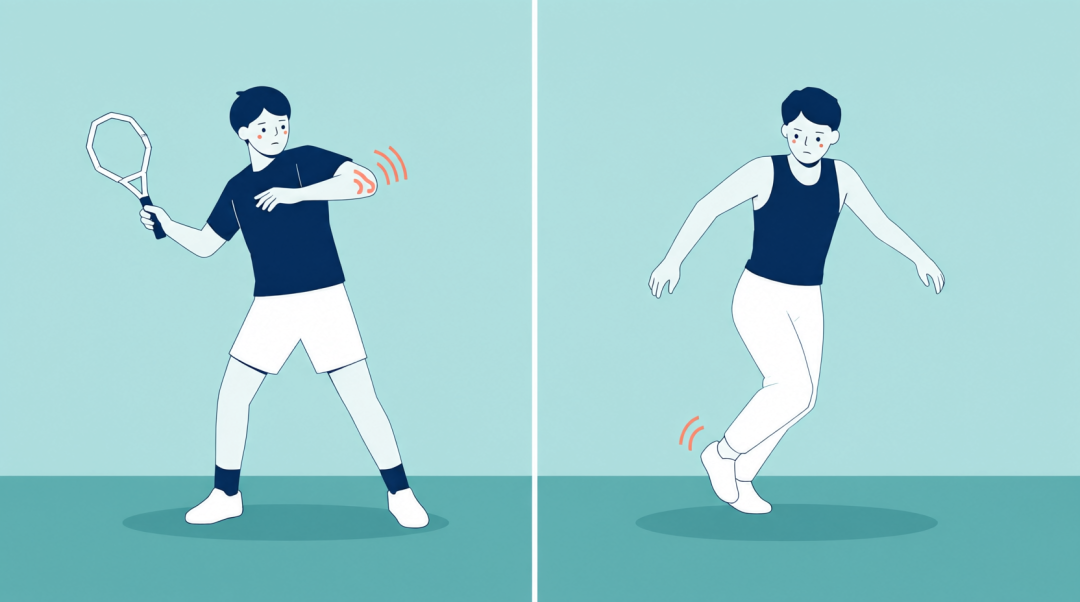
Tennis injuries typically fall into two groups:
01 Overuse problems that creep up over weeks
02 Acute injuries that happen in a single moment.
02 Seven common tennis injuries
Here’s how that works for the most common tennis problems:
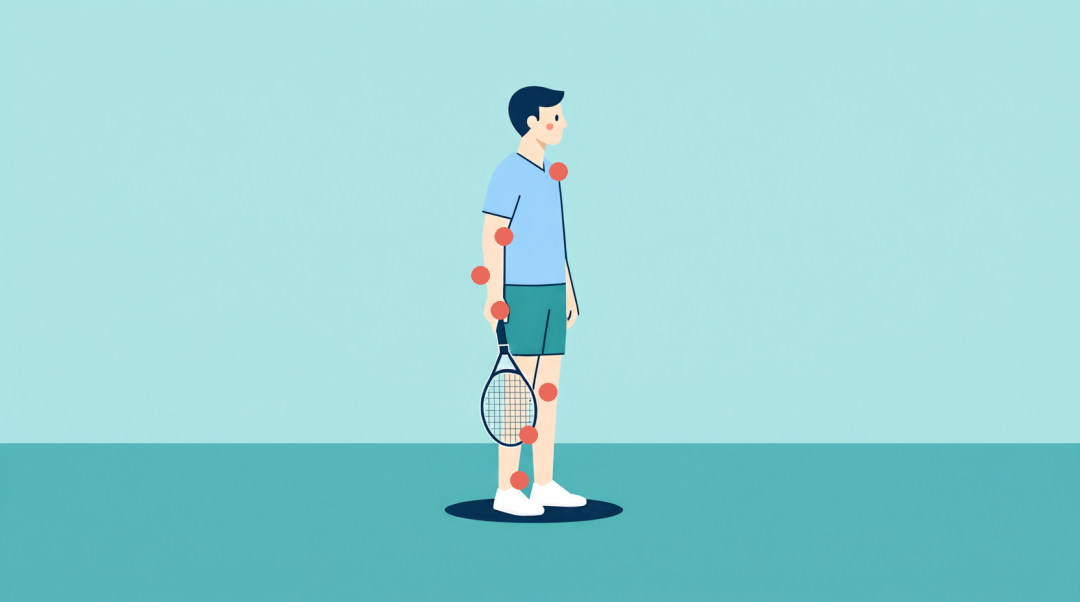
01 Tennis elbow (lateral epicondylalgia) — Ache on the outside of the elbow; worse gripping or lifting a cup; typically from repetitive backhands, late contact, grip too tight or too small.
02 Rotator cuff tendinopathy / shoulder impingement — Pinch or ache at the top or front of the shoulder, especially serving; typically from high serve volume, weak cuff and shoulder-blade muscles, stiff upper back.
03 Wrist tendinopathy (e.g. ECU) — Pain on the pinky side of the wrist, often with topspin forehands; typically from heavy topspin, western grips, sudden jump in hitting hours.
04 Patellar tendinopathy (jumper’s knee) — Pain just below the kneecap on serves, lunges and stairs; typically from repeated jumping and deceleration on hard courts.
05 Ankle sprain — Sudden roll, swelling on the outside of the ankle; typically from quick lateral changes of direction, fatigue.
06 Calf strain (“tennis leg”) — Sharp pull in the calf, often during a push-off; typically from explosive starts, poor warm-up, older players especially.
07 Low back pain — Stiffness or pain after serving or long matches; typically from repeated rotation and extension, weak core and hips.
03 See an orthopedic doctor first if
If you experience numbness, sudden weakness, a joint that gives way, or swelling that doesn’t settle within a few days, it might be wise to first see an orthopedic doctor so the right imaging and diagnosis come before treatment. Once you have a clear picture of the problem – whether that involves an orthopedic doctor or not – it’s worth visiting a physical therapist to put together a plan to manage the pain.
04 How Physical Therapy Can Help
Physical therapy determines the reason you got hurt, it doesn’t just fix the pain. This is important because you want to fix the underlying problem, not just ‘put a Band-aid’ over the issue.
What Typically Happens at Physical Therapy:
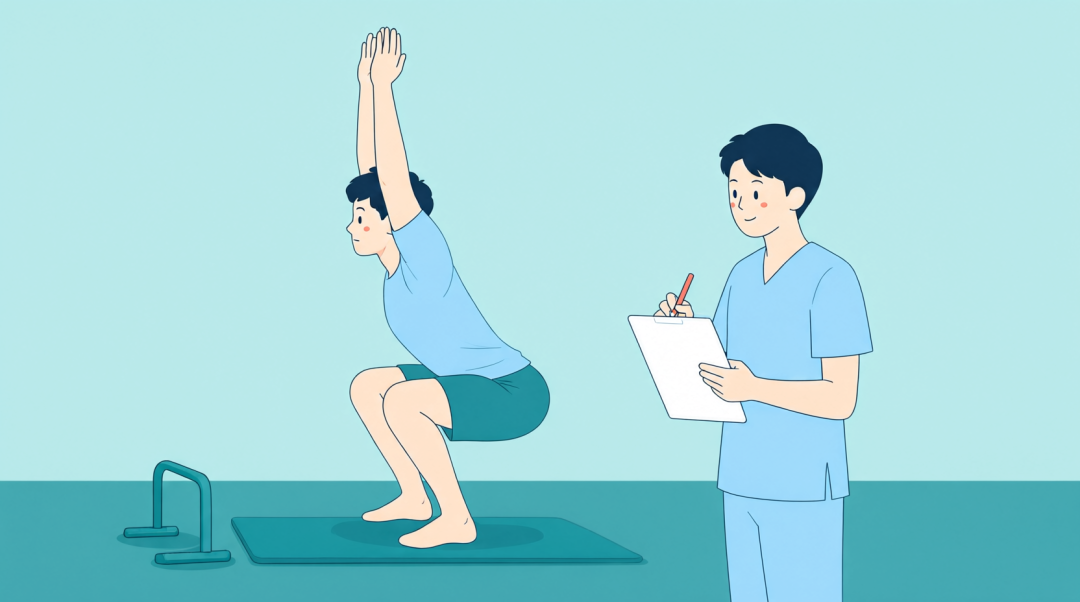
01 Initial assessment. Your therapist tests strength, mobility and movement, typically using tools like our FMS or YBT Tests [Move Well Before Moving Often]. Your physical therapist will observe your full body in motion to find the weak link. Elbow pain, for example, often traces back to a stiff upper back or weak shoulder.
02 Manual treatment. Through joint mobilization and soft-tissue work your physical therapist can help ease pain and restore range of motion so you can start loading again.
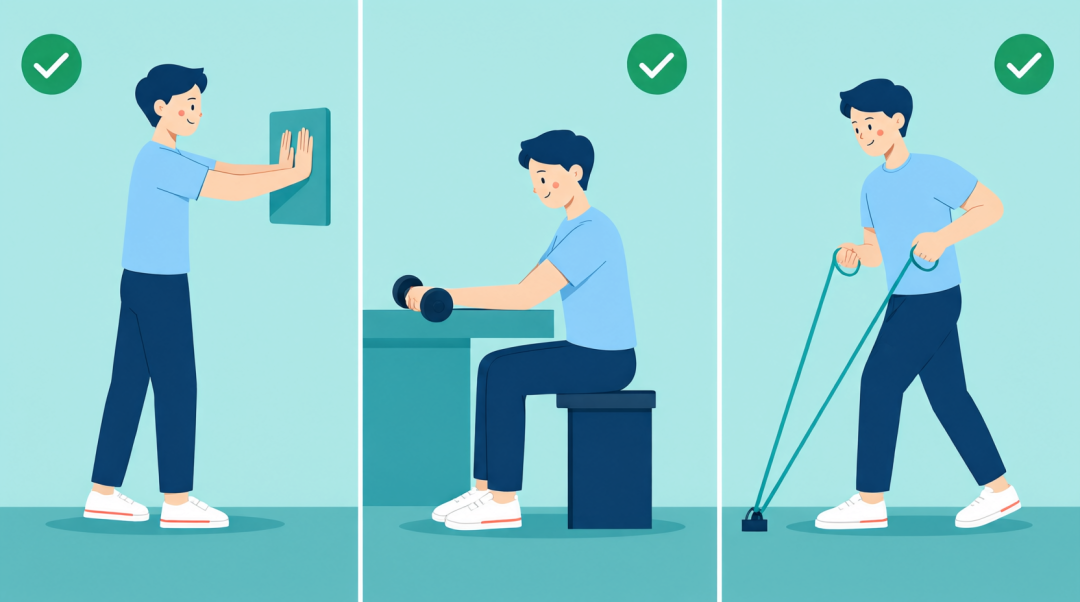
03 Progressive loading. Once your physical therapist helps to open up more movement in the body, you can be begin to start working on load. Isometric holds for example, calm an irritated tendon, then slow strength work (such as, eccentrics and heavy-slow resistance) rebuilds its capacity. For tennis elbow, that might mean wrist extension with a dumbbell or a flexible bar.
04 Kinetic chain focus. Power in tennis comes from the legs and hips. It’s important to not just isolate strength-building in the upper body, but work on the full link between the hips, core and shoulder blades to take stress off the arms.
05 Return to sport. Your physical therapist will put together a graded plan that allows you to return to sport smartly – not doing too much too soon, but just the right amount of load to keep you swinging smartly.
Equipment changes that reduce strain
Along with the physical body, your physical therapist might also suggest equipment changes: grip size, string tension or a softer string can reduce strain on the elbow and wrist.
05 What Traditional Chinese Medicine adds
Working with a physical therapist can allow you reach your full range of motion safely and smartly. Adding in TCM can provide additional pain relief and muscle relaxation, which makes rehab exercises easier to do and stick with. Many sports injuries involve blocked flow of qi and blood in the affected area. Utilizing TCM treatment can help to restore that flow and ease stagnation through the following:
01 Acupuncture. Fine needles at local and distal points can reduce pain and muscle guarding. Tennis elbow is one of the conditions where acupuncture has been studied most, with many patients reporting short-term pain relief.
02 Cupping. Cups are utilized both in physical therapy and acupuncture. They can lift and loosen tight tissue in the forearm, upper back, calves and shoulders, areas that take a beating in tennis.
03 Tui na. This Chinese therapeutic massage uses pressing, kneading and stretching to release tight muscles and improve mobility.
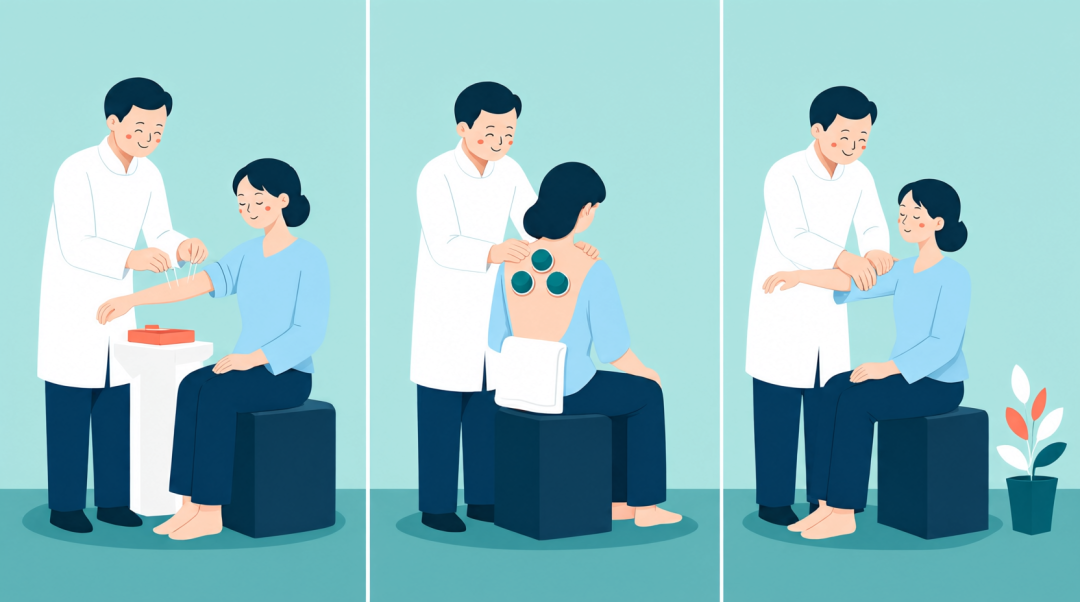
TCM works best as part of a plan, not instead of one. Needles and cups can quiet the pain, but only strength and movement retraining make the tissue more resilient. Combining the two lets TCM handle pain and tension while physical therapy rebuilds strength and mechanics. Under UP, with your physical therapists and TCM doctors working together, your care is coordinated: everyone knows what the others are doing and why.
06 Ready to get back to the court?
Whether it’s a nagging elbow or a sore shoulder after a big tournament, UP’s international team of physical therapists, sports medicine doctors and TCM practitioners can build a non-surgical plan around your goals. Schedule your appointment at UP today and start moving well again.
Needles and cups can quiet the pain, but only strength and movement retraining make the tissue more resilient.
This article is health education and does not replace in-person assessment or imaging diagnosis; when in doubt, follow the evaluation of orthopedics, rehabilitation or TCM.