
Q&A: Nina Lim Siang Yin (Physical Therapist)


Nina is a new addition to the UP team. She is originally from Malaysia, and is of mixed Chinese and Indian heritage. She says that, “growing up with a multicultural family background has shaped [her] appreciation for different cultures, traditions and perspectives.”
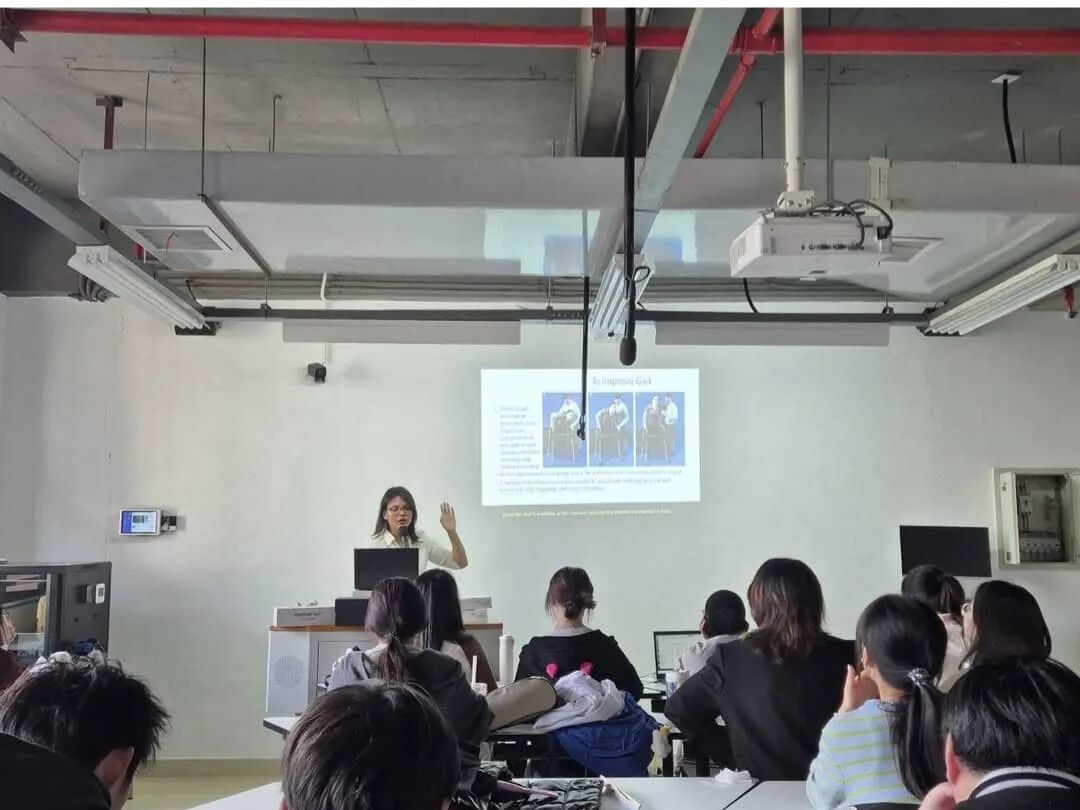
At the lectern, her favorite topic is how to help someone walk well again
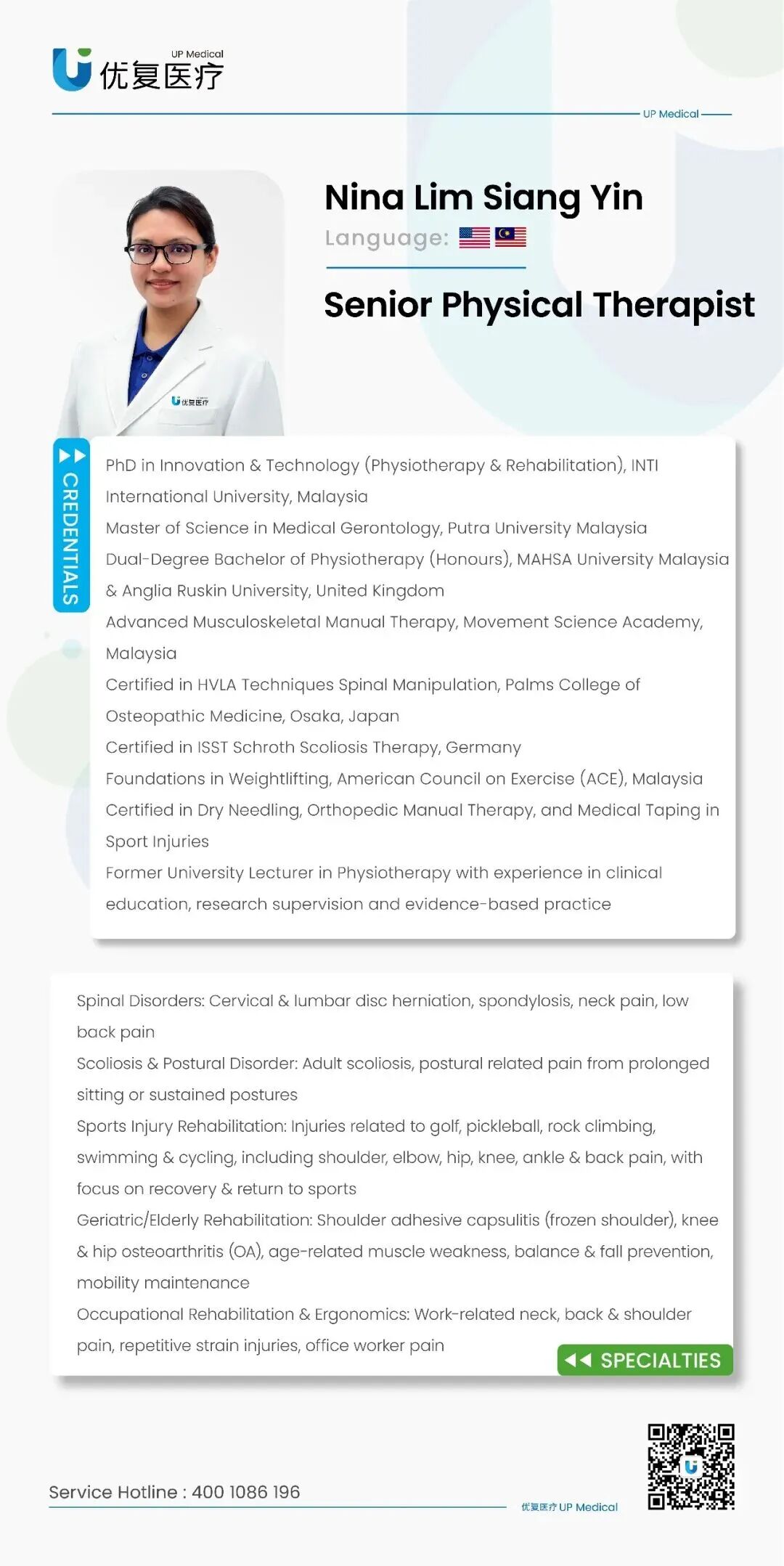
With a pretty impressive educational and career background, Nina will surely be adding that knowledge and empathy to the UP community. Read on to learn more about Nina’s history and what she’ll be bringing to our clinical care team.
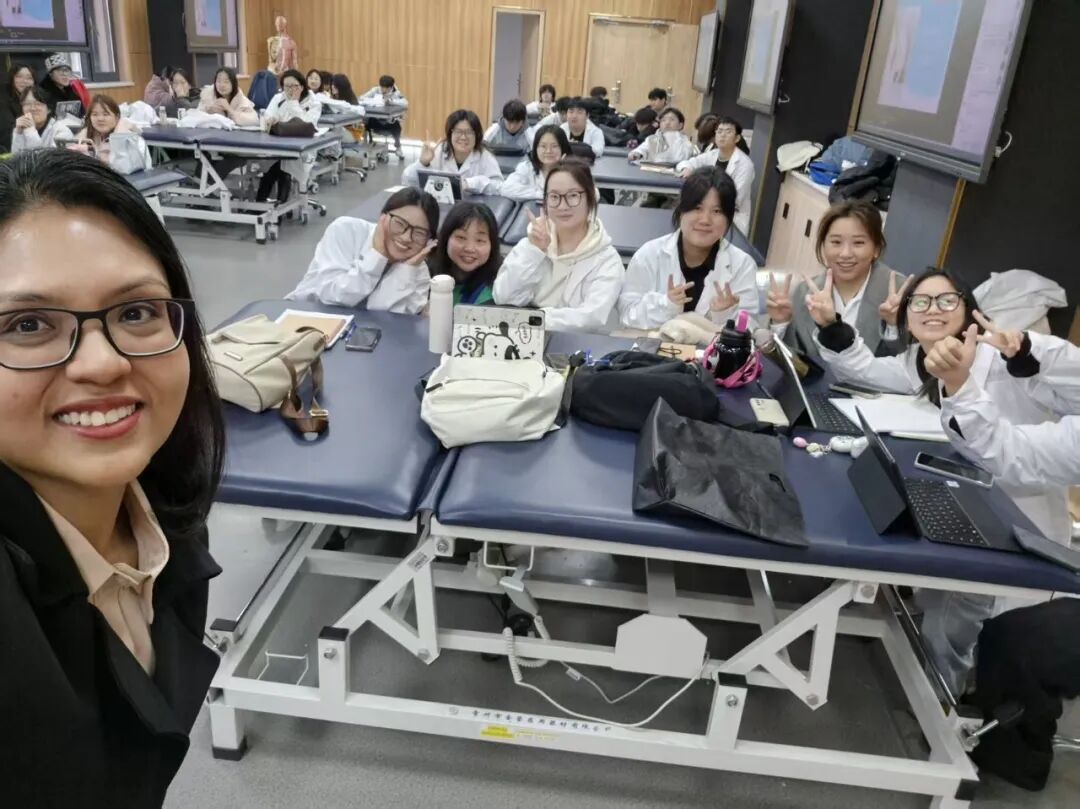
After class, a group photo with her students
Q1: You have an extensive educational background, how has that set the groundwork for your experience as a physical therapist?
I completed a dual-degree Bachelor of Physiotherapy (Honours) through MAHSA University in Malaysia and Anglia Ruskin University in the United Kingdom. I subsequently obtained a Master of Science in Medical Gerontology from the Universiti Putra Malaysia and pursued a PhD in Innovation and Technology, focusing on physical therapy and rehabilitation at INTI International University in Malaysia. My educational journey has broadened my professional perspective and strengthened my interest in integrating clinical practice, research, and innovation to improve patient outcomes.
Q2: Wow! What inspired you to become a physical therapist initially?
I chose physical therapy because I wanted to pursue a career that combines scientific knowledge, practical skills, and meaningful human interaction. What interests me most about this profession is the opportunity to help people understand their bodies, overcome physical limitations, and regain their independence.
What I also love about this field is that it requires continuous learning, critical thinking, and individualized problem-solving, which keeps me professionally motivated. Over the years, I have come to appreciate that rehabilitation is not simply about treating an injury or reducing pain. It is about helping each person return to the activities they value, whether that means returning to sport, performing everyday tasks comfortably, or maintaining independence as one grows older.
Q3: You’re also an avid sports enthusiast yourself – how do your hobbies translate to the work you do in your career?
Outside my professional life, I enjoy golfing, swimming, weightlifting, traveling, rock climbing, and playing the piano. These interests allow me to appreciate the importance of maintaining a balance between physical health, mental well-being, and personal fulfillment.
Being physically active also helps me understand the challenges people face when trying to maintain a healthy lifestyle, improve their performance, or recover from injuries. Golfing and weightlifting have strengthened my appreciation for movement quality, strength, and injury prevention, while swimming reminds me of the value of low-impact exercise. I believe that health is not simply about being free from pain; it is about having the ability and confidence to participate in the activities that make life meaningful.
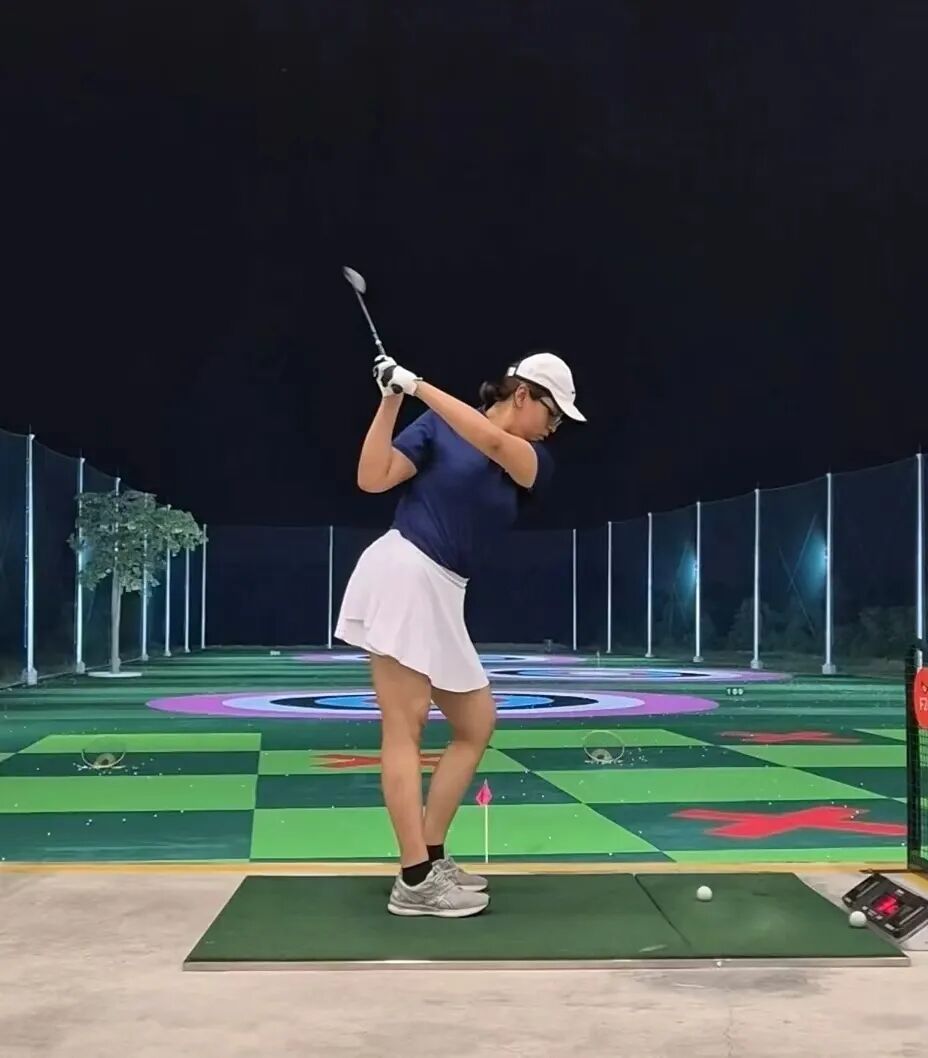
At the night driving range, she practices what she preaches
Q4: ‘Health is about having the ability and confidence to participate in the activities that make life meaningful’. That is beautifully said. Along with how your hobbies have influenced your daily life and work, how has your multicultural background influenced the way you work with, understand and treat patients, especially those from different backgrounds?
My professional experience in diverse clinical and academic environments has taught me to appreciate that people have different perspectives on health, illness, recovery, and physical activity. I believe effective physical therapy requires more than clinical expertise; it also requires listening, empathy, cultural awareness, and clear communication. Every patient has different expectations, beliefs, lifestyles, and personal circumstances that can influence their rehabilitation journey. I aim to understand each patient’s concerns, explain treatment options in an accessible way, and develop realistic rehabilitation plans that fit their needs. As a multilingual professional who communicates in English and Malay, I also recognize the importance of language in building trust and helping patients feel understood. I believe that being culturally responsive allows me to establish stronger therapeutic relationships and provide more individualized care.
Q5: Could you elaborate on how your international experiences have shaped your professional journey?
Throughout my career, I have had opportunities to develop my clinical, academic, and teaching experience across different educational and healthcare environments. My education included a dual-degree program in both Malaysia and the United Kingdom, while my subsequent clinical practice in Kuala Lumpur strengthened my practical skills in patient assessment and rehabilitation. Beyond clinical practice, I had opportunities to deliver a series of lectures in Changsha, Hunan Province, China.
These experiences have broadened my perspective on physical therapy education and the importance of exchanging clinical knowledge across different healthcare and cultural environments. They have also strengthened my ability to adapt and work with people from diverse backgrounds. I see international exposure as an ongoing opportunity to learn from different approaches to rehabilitation and continue developing as a physical therapist.
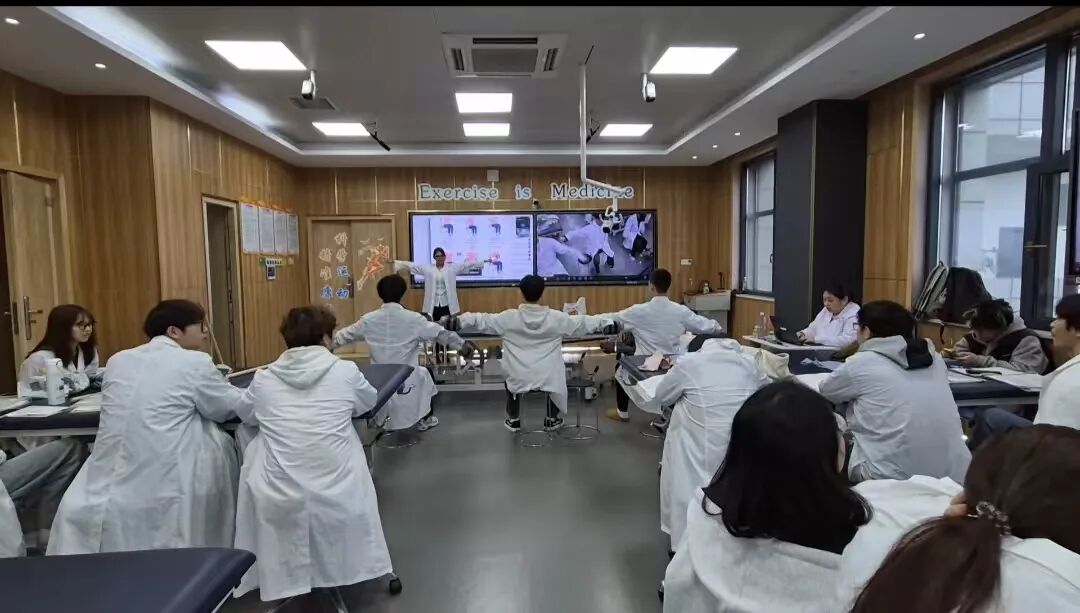
In the “Exercise is Medicine” classroom, leading students through hands-on practice
Q6: With your 10 years of experience, could you expound on your areas of clinical focus?
My three main areas of clinical expertise are spinal disorders, postural-related pain, and sports injury rehabilitation. I have experience managing conditions such as cervical and lumbar disc disorders, neck and lower back pain, postural dysfunction, and sports injuries affecting different parts of the body. I have additional training in advanced musculoskeletal manual therapy, spinal manipulation, and sports injury management, which supports my commitment to helping patients recover their function and return to their daily activities and sports.
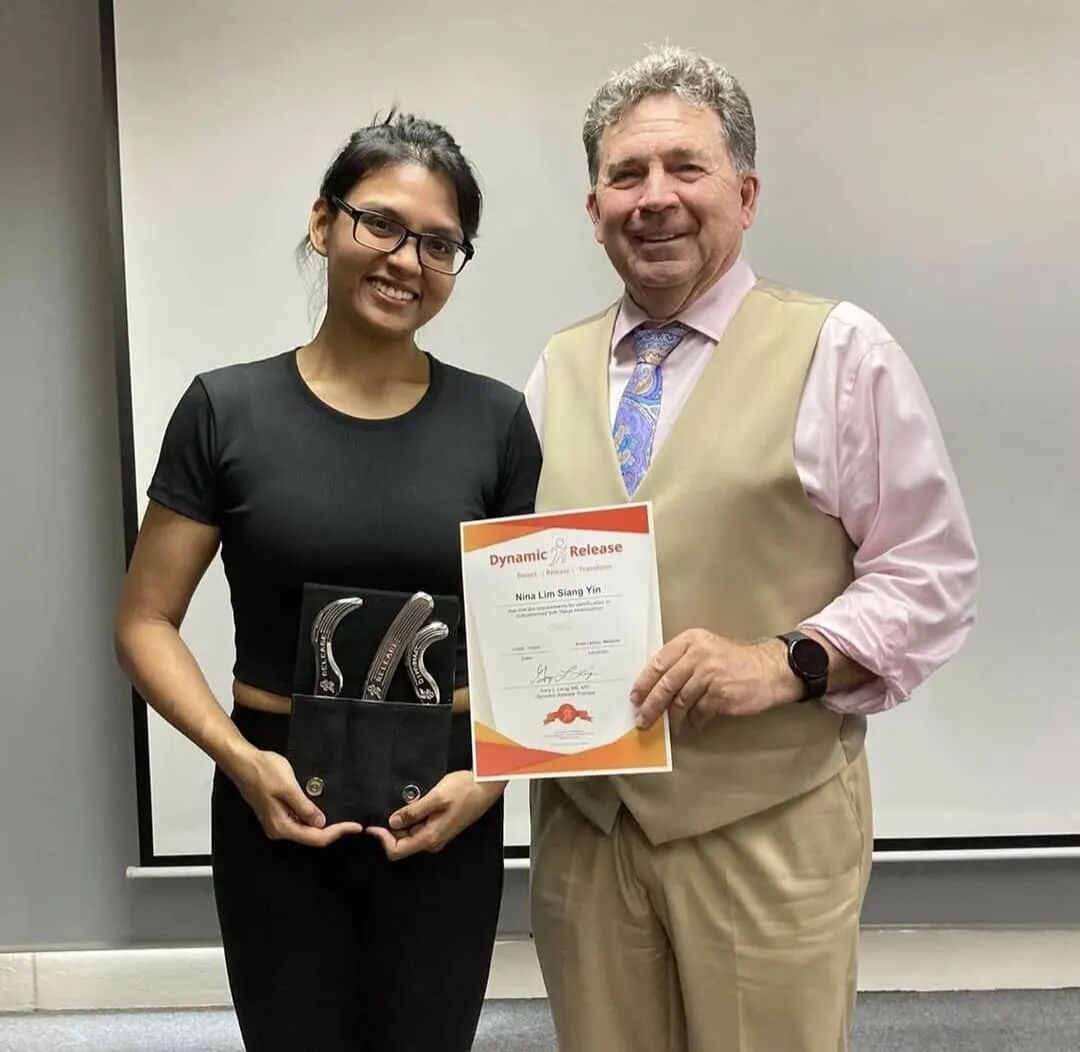
The Dynamic Release certification and tool kit, one footnote of her continuous learning
Q7: As you continue to work towards the betterment of others through physical therapy, do you have a vision for the future?
My vision is to contribute to a future in which physical therapy is increasingly recognized, not only as a treatment for injury and pain, but also as an essential part of preventive healthcare, healthy aging, and long-term well-being. I am particularly interested in advancing musculoskeletal rehabilitation, spinal health, ergonomics, and geriatric care, while exploring how research and technology can support more personalized clinical decision-making.
Through my clinical work, academic experience, and doctoral research, I hope to contribute to rehabilitation approaches that are practical, evidence-based, and adaptable to different patient populations. On an international level, I would like to exchange knowledge with healthcare professionals from different countries, contribute to professional development, and promote collaboration between clinical practice, education, and research. Ultimately, my goal is to help people remain active, independent, and confident in their physical abilities throughout their lives, while contributing to the continued development of physical therapy as a profession.
Ten years, three degrees, from Kuala Lumpur to Shanghai, Nina’s answer has never changed: rehabilitation is not simply about treating an injury or reducing pain, but about helping each person return to the activities they value.
Move well, move often!